

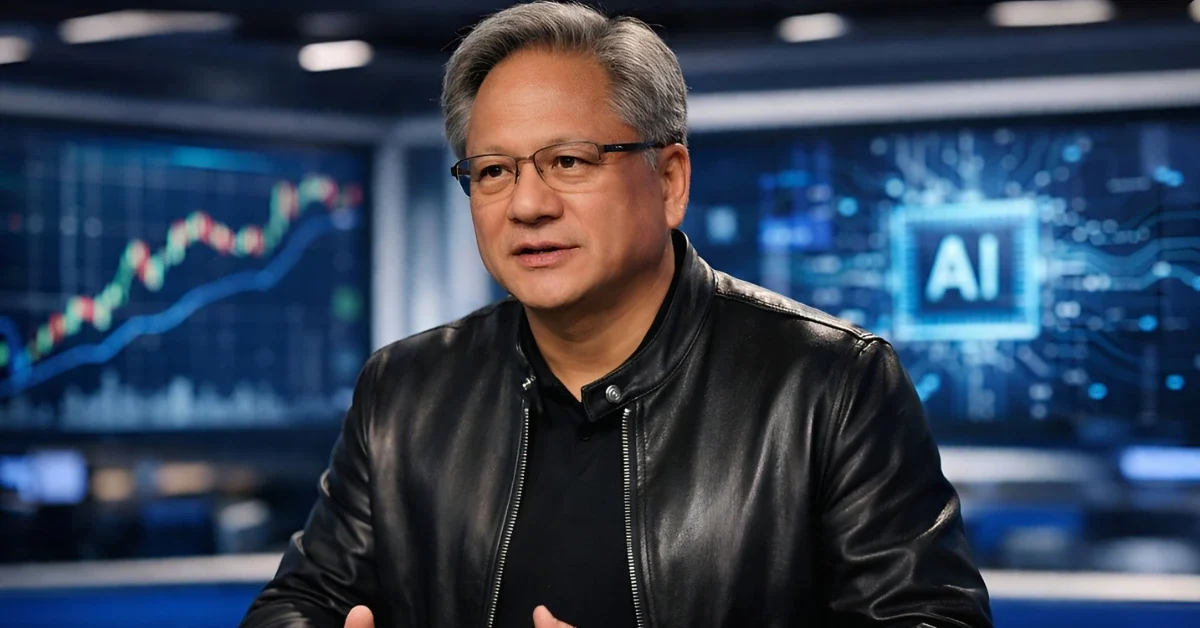
Nvidia CEO Jensen Huang has publicly addressed ongoing speculation regarding a potential investment in OpenAI, confirming his company’s interest in the artificial intelligence startup’s future public offering. During a recent interview with CNBC, Huang clarified Nvidia’s stance on deepening financial ties with the ChatGPT creator, emphasizing that while they are open to investing in an initial public offering (IPO), there is currently no active drama or immediate deal closure as some reports suggested.
The comments from the Nvidia chief come amidst a flurry of reports indicating that the chipmaker is nearing a massive financial commitment to OpenAI. While some sources have pointed to a developing deal worth up to $20 billion, Huang sought to temper these expectations by stating that any investment decision would likely occur when OpenAI decides to go public. He noted that Nvidia would “consider” investing at the time of an IPO, framing the relationship as a long-term strategic partnership rather than a rushed financial transaction.
Clarifying the Partnership Dynamic
Huang specifically denied rumors of internal conflict or negotiation breakdowns, describing the situation as free of drama. He reinforced that the relationship between the two tech giants remains strong, with Nvidia continuing to serve as the primary hardware supplier for OpenAI’s computing needs. The discussion regarding investment is part of a broader collaboration, but Huang’s comments suggest that Nvidia is taking a measured approach rather than finalizing a private funding round immediately.
Despite the CEO’s cautious public statements, other reports suggest that substantial private funding discussions are still advancing. Information surfacing from other outlets indicates that Nvidia could be closing in on a $20 billion investment as part of a larger funding round for OpenAI. This potential deal would value the AI startup significantly higher than previous estimates. If completed, this transaction would mark a historic moment in tech investing, cementing Nvidia’s role not just as a supplier but as a major stakeholder in the leading generative AI company.
Potential Record-Breaking Investment
The scale of the rumored investment has drawn significant attention from market analysts. Reports suggest that a $20 billion injection of capital would be part of a broader fundraising effort by OpenAI to secure the immense computing resources required for future AI model development. Such a deal would solidify the interdependence between the two companies, ensuring that OpenAI has the capital to purchase Nvidia’s advanced processors while Nvidia secures a dedicated buyer for its next-generation chips.
While Huang’s comments to CNBC focused on a potential future IPO, the conflicting reports about an imminent private investment highlight the fluid nature of these high-stakes negotiations. Some observers believe that the $20 billion figure refers to a private round that is currently being finalized, while Huang’s IPO comments may refer to a separate, future allocation. Regardless of the specific vehicle—private equity or public stock—the trajectory is clear: Nvidia intends to remain deeply integrated with OpenAI’s growth.
Strategic Implications for the AI Market
The potential alliance carries heavy implications for the broader technology sector. By investing heavily in OpenAI, Nvidia would not only bolster its own revenue stream through hardware sales but also gain strategic influence over the direction of AI development. This move aligns with Nvidia’s history of cultivating an ecosystem where its hardware is the standard for high-performance computing.
The discussions arrive at a critical time for OpenAI, which continues to push the boundaries of generative artificial intelligence. The costs associated with training increasingly complex models are skyrocketing, making a partnership with the world’s leading chip manufacturer a logical, if not necessary, step. Whether the funding arrives now through a private deal or later via an IPO, the financial bond between Nvidia and OpenAI appears destined to tighten, shaping the competitive landscape of the AI industry for years to come.
