

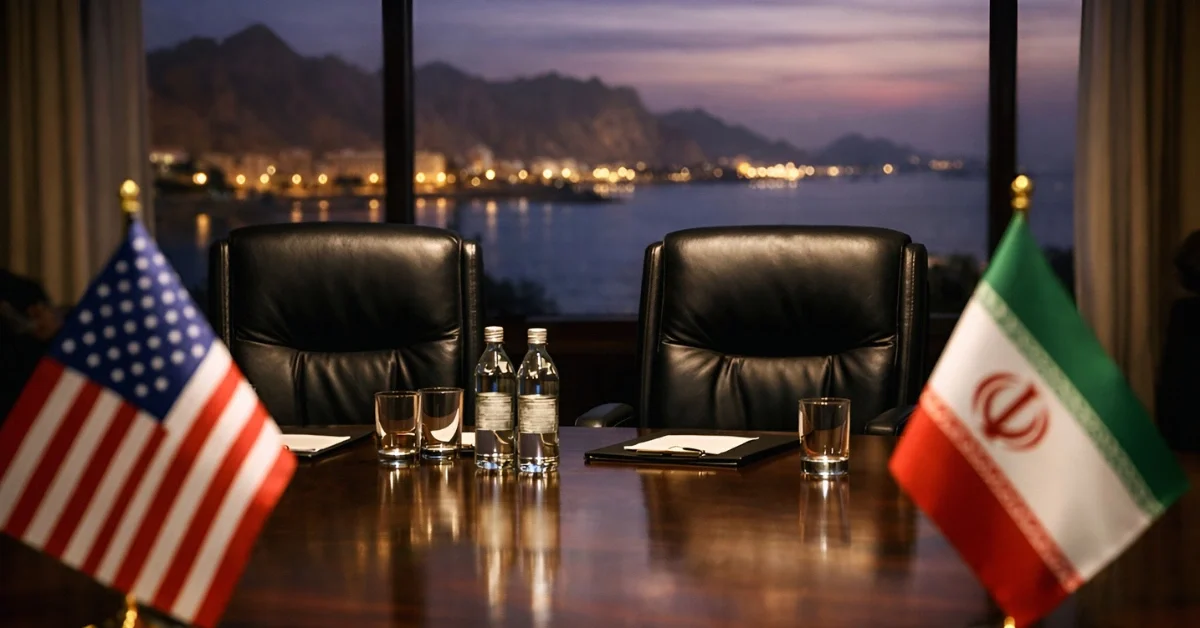
Nuclear talks between the United States and Iran are expected to take place in Oman on Friday, marking a significant shift in diplomatic efforts to resolve the deepening crisis. The venue change from Turkey to the Gulf state comes as tensions in the Middle East reach a critical point, with President Donald Trump issuing a stark warning that “bad things” will happen if a deal is not reached.
Regional officials confirmed that the Trump administration consented to Tehran’s request to move the negotiations from Istanbul to Muscat. The upcoming discussions aim to address the escalating standoff over Iran’s nuclear program, though significant hurdles remain. Both sides are entering the talks under immense pressure, with U.S. naval forces approaching the region and Iranian leadership facing internal and external security challenges.
Diplomatic Venue Moves from Istanbul to Muscat
The decision to hold talks in Oman represents a last-minute pivot in diplomatic strategy. Earlier reports indicated that Istanbul was the priority location for negotiations intended to avoid conflict. However, Iranian officials requested a change in venue, which Washington accepted.
According to diplomatic sources, discussions are still ongoing regarding the format of the meeting. While Iran has pushed for a bilateral structure, there are deliberations about the potential participation of other regional Arab and Muslim nations. The inclusion of these neighbors could be pivotal, as the talks aim not only to address nuclear proliferation but also to stabilize the broader Middle East.
Trump Issues Stark Warning on Failed Negotiations
Ahead of the Friday meeting, President Trump delivered a blunt ultimatum to Tehran. Speaking from the White House on Monday, he emphasized the high stakes of the upcoming engagement. “If we can work something out that’d be great. And if we can’t, probably bad things would happen,” Trump told reporters.
The President reiterated that “tremendous force,” including a fleet of large military vessels, is currently heading toward the region. Despite the threat of military action, Trump expressed hope that a negotiated solution is still possible.
Sources indicate that the U.S. has outlined three specific prerequisites for a successful deal:
- A complete halt to uranium enrichment in Iran.
- Restrictions on Tehran’s ballistic missile program.
- The cessation of support for regional proxy groups.
Iranian officials have reportedly pushed back against these demands, describing them as violations of sovereignty. However, insiders suggest that the clerical leadership views the restrictions on their ballistic missile program as a more significant obstacle than the limits on uranium enrichment.
Regional Powers and Internal Pressures
The urgency for a deal is echoed by key regional players. The United Arab Emirates, a prominent Gulf power and U.S. ally, has called for a “long-term solution” to the crisis. Anwar Gargash, an adviser to the UAE president, stressed the need for direct negotiations to prevent further disaster, noting that the region cannot afford another confrontation.
For Iran, the stakes involve domestic stability as well as external security. Reports suggest that Tehran fears a U.S. military strike could reignite anti-government protests, which have previously challenged the ruling establishment. Iranian authorities are balancing these internal vulnerabilities against their defensive red lines, warning that any attack would lead to a broader regional conflict.
