

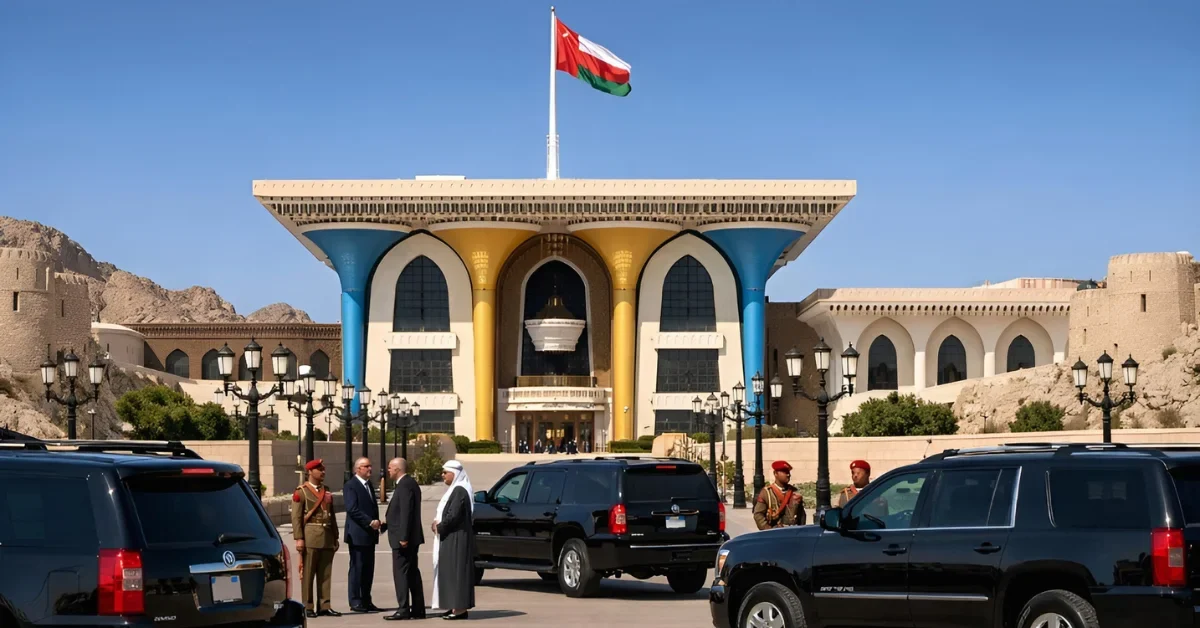
Delegations from Iran and the United States have concluded a high-stakes round of indirect negotiations in Muscat, Oman, marking the first significant diplomatic engagement between the two adversaries since military escalations last year. Despite the Iranian delegation describing the atmosphere as “positive,” the talks concluded with the U.S. announcing fresh sanctions targeting Tehran’s oil exports, underscoring the deep rifts that remain.
Iranian Foreign Minister Abbas Araghchi, who led Tehran’s delegation, stated that the discussions were conducted in a constructive manner. “In a very positive atmosphere, our arguments were exchanged and the views of the other side were shared with us,” Araghchi told Iranian state television on Friday. He confirmed that both parties have agreed to continue negotiations, though specific details regarding the timing and format of future meetings have yet to be decided.
The U.S. delegation was led by Middle East envoy Steve Witkoff and Jared Kushner, President Donald Trump’s son-in-law and senior advisor. According to reports, while the talks were officially mediated by Omani officials shuttling between the parties, there were unconfirmed indications of a direct meeting involving Witkoff, Kushner, and Araghchi.
Diverging Agendas and “Maximum Pressure”
A central point of contention in Muscat was the scope of the negotiations. Iranian officials insisted that the dialogue focus “exclusively” on the country’s nuclear program, which Western powers have long suspected is intended for developing atomic weapons—a charge Tehran denies. In contrast, the U.S. sought to broaden the agenda to include Iran’s ballistic missile program, its support for regional militant groups, and its treatment of protesters following months of domestic unrest.
Immediately following the conclusion of the talks, the United States signaled that its diplomatic outreach does not equate to a softening of its economic stance. Washington announced new sanctions against several shipping entities and vessels accused of facilitating Iran’s illicit oil and petrochemical trade. State Department spokesman Tommy Pigott emphasized that President Trump remains committed to a “maximum pressure” campaign to curb the Iranian regime’s revenue streams.
The diplomatic push comes against a backdrop of heightened military tensions. The U.S. has deployed a naval group, led by the aircraft carrier USS Abraham Lincoln, to Middle Eastern waters. This buildup follows direct U.S. involvement in the region’s conflict in June, which included airstrikes on Iranian nuclear facilities. President Trump has recently focused his rhetoric on reining in Iran’s nuclear ambitions, though he has previously threatened military action in response to Tehran’s crackdown on dissent.
Controversy Over Protest Casualty Figures
While diplomats negotiated in Oman, the Iranian government faced renewed domestic and international scrutiny regarding its handling of nationwide protests that began late last December. On Sunday, President Masoud Pezeshkian’s administration released an official list of victims from the unrest, acknowledging 2,986 deaths. Authorities stated the total toll stands at 3,117, blaming “rioters” for the violence.
These figures sharply contradict data from independent rights organizations. The U.S.-based Human Rights Activists News Agency (HRANA) reports confirming 6,872 deaths and is investigating more than 11,000 additional cases. A United Nations special rapporteur has suggested the actual death toll could exceed 20,000, citing difficulties in verifying information due to the government’s stringent internet restrictions.
The government’s release of the victim list has sparked further public anger. The published data included full names and national identification numbers but omitted critical details such as the cause, location, and timing of death, or the identity of the perpetrators. Many Iranians took to social media to report that the names of their deceased relatives were missing from the official registry. In response, authorities launched a website on Tuesday allowing citizens to report omitted names, though it remains unclear when or if the official records will be updated.
Internal Criticism and Media Restrictions
The disparity between the official narrative and the reality on the ground has led to rare moments of public confrontation. During a recent news conference, government spokesperson Fatemeh Mohajerani was challenged by journalist Parisa Hashemi regarding the state’s transparency and the myriad crises facing the country, including corruption and chronic pollution. Hashemi’s publication, the Ham-Mihan newspaper, is reportedly facing legal action for its coverage of the protests.
The government continues to deny allegations of systematic wrongdoing by state forces, including reports of hospital raids and the detention of medical professionals who treated injured demonstrators. In an effort to address the public outcry, officials have announced an internal fact-finding mission, though they have simultaneously dismissed UN mandates to investigate the violence.
As both nations assess the outcome of the Oman talks, the path forward remains fragile. Iran has warned that it will retaliate against U.S. bases in the region if attacked, while the U.S. maintains its formidable military presence. Araghchi expressed hope that Washington would refrain from further “threats and pressure” to allow diplomacy to proceed, but the immediate imposition of new sanctions suggests that the dual track of negotiation and coercion will continue.
