

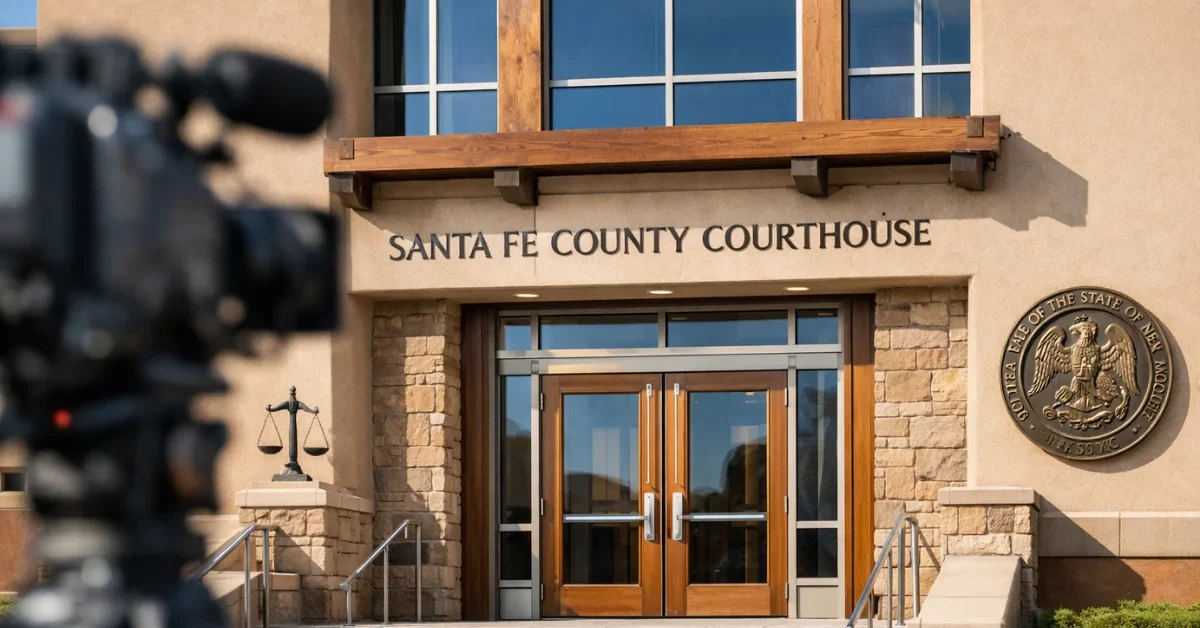
A landmark trial began in Santa Fe this week as the state of New Mexico takes Meta to court over allegations that the company failed to protect children from sexual exploitation and predatory behavior on its social media platforms. The legal battle centers on whether the parent company of Facebook and Instagram knowingly misrepresented the safety of its apps while allowing design elements that fostered dangerous environments for young users.
The lawsuit, initiated by New Mexico Attorney General Raúl Torrez in late 2023, marks the first time a case of this nature against the social media giant has reached a jury. State prosecutors argue that Meta’s platforms, including Facebook and Instagram, have served as a breeding ground for predators. They allege the company used algorithms and addictive features that lured children into hazardous situations while prioritizing corporate profit over the well-being of minors.
State Alleges Profit Over Child Safety
During opening arguments on Monday, attorneys representing New Mexico told the jury that Meta was well aware of the risks children faced on its platforms. The state contends that Meta ignored internal warnings about safety issues and failed to implement basic protections like effective age verification. Prosecutors intend to present evidence showing that the company’s focus on growth and engagement led it to turn a blind eye to the sexual solicitation and human trafficking occurring within its digital ecosystem.
The state’s case is built on a two-year investigation that included the use of undercover accounts. Investigators created profiles posing as minors and documented the subsequent arrival of sexual solicitations from adults. One specific allegation in the complaint describes an instance where an investigator, posing as a mother, was able to offer her daughter to traffickers through the platform.
Legal Challenges and Corporate Defense
Meta has firmly denied all allegations of legal violations and has moved to discredit the state’s investigation. Company representatives described the prosecution’s arguments as sensationalist and claimed they are based on cherry-picked documents that do not reflect the company’s overall efforts. In public statements, Meta spokesperson Andy Stone called the state’s investigative methods ethically compromised, citing the use of child imagery on proxy accounts and the disposal of data from devices used in the inquiry.
The company maintains that it has spent a decade working with experts, parents, and law enforcement to improve safety. Meta argues that it cannot be held responsible for all content uploaded by third parties and highlights the various safety measures it has implemented over the years. The defense suggests that the state is mischaracterizing internal documents to create a narrative of negligence.
National Context of Social Media Litigation
The New Mexico trial is part of a broader wave of legal challenges facing major technology firms in early 2026. While the Santa Fe case focuses specifically on sexual exploitation and consumer protection, another significant trial is beginning in Los Angeles. That California-based lawsuit involves hundreds of families and school districts alleging that platforms like Meta and YouTube were intentionally designed to be addictive, causing widespread mental health harms such as depression and anxiety among youth.
In the Los Angeles proceedings, companies like TikTok and Snap have recently reached undisclosed settlements, leaving Meta and Google’s YouTube as the primary defendants. The New Mexico trial is expected to last between six and eight weeks, during which jurors will review internal research, expert testimonies, and evidence regarding Meta’s alleged failure to remove child sexual abuse material.
Potential Outcomes and Industry Impact
New Mexico is seeking both monetary damages and a court order requiring Meta to fundamentally change how it operates its platforms to ensure child safety. This includes demands for new safeguards and the removal of features the state claims are used by predators to find and contact underage users. The attorney general has expressed confidence that the evidence will reveal shocking conduct by Meta executives who allegedly prioritized engagement metrics over the physical and mental safety of children.
The outcome of this trial could set a major precedent for how social media companies are regulated at the state level. If the jury finds Meta liable for creating a public nuisance or violating consumer protection laws, it could force a massive shift in how algorithms and communication tools are designed for younger audiences across the United States.
