

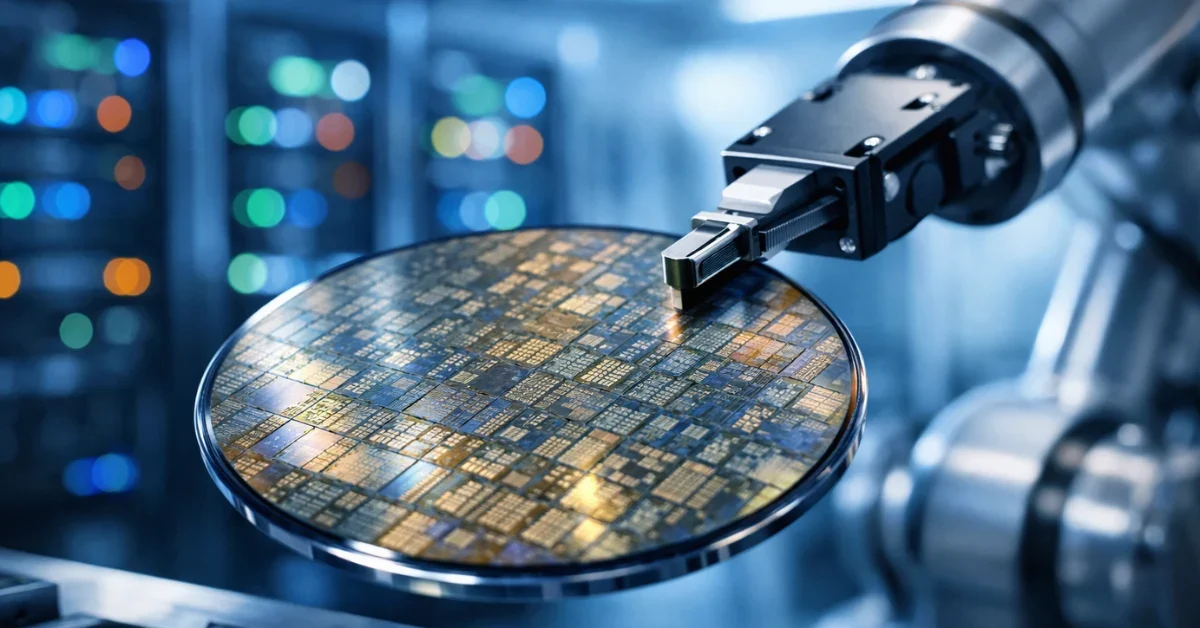
ByteDance, the parent company behind the global social media sensation TikTok, is reportedly developing its own custom artificial intelligence chip and has entered negotiations with Samsung Electronics to manufacture the hardware. The tech giant is looking to secure a stable supply of advanced processors as it seeks to reduce its reliance on external vendors like Nvidia amid a worldwide surge in AI infrastructure demand. According to sources familiar with the situation, this new partnership would focus on producing a specialized processor designed specifically for AI inference tasks.
The potential deal between ByteDance and Samsung Electronics highlights a major shift in the semiconductor industry as massive consumer platforms begin to design their own silicon. By creating a specialized ByteDance Samsung AI chip, the company joins an elite group of technology firms that are developing internal hardware to optimize software performance and manage rising infrastructure costs. This initiative, which has been in the works for several years, represents a significant milestone in ByteDance’s effort to support its massive AI workloads across its various applications.
Ambitious Production and Timeline Goals
Recent reports indicate that ByteDance is moving quickly with its hardware aspirations, which are currently being developed under the codename “SeedChip”. The company is reportedly working toward receiving engineering samples of its new processor by the end of March 2026. This ambitious timeline suggests that the design phase is already well-advanced, as the company looks to begin manufacturing at scale shortly after testing the samples.
The scale of the intended production is substantial for a first-generation in-house chip project. Sources suggest that ByteDance plans to produce at least 100,000 units of the AI inference processor within this year alone. Furthermore, the company aims to progressively ramp up this production, with long-term goals to eventually reach as many as 350,000 units. This volume indicates that ByteDance intends to deploy these custom chips across a significant portion of its data center infrastructure to power the recommendation engines used by its global user base.
Focus on AI Inference and Memory Supply
The new chip is specifically tailored for AI inference tasks rather than the initial training of large-scale models. Inference is the specific process where a trained AI model is used to make predictions, generate content, or provide recommendations to users. For a company like ByteDance, which relies heavily on sophisticated algorithms to drive user engagement on TikTok and Douyin, optimizing inference is critical for improving speed and lowering the massive energy costs of its server farms. This focus on internal hardware development also serves as a strategic move to navigate the current global trade environment. As President Donald Trump continues to oversee trade policies in his second term following his 2025 inauguration, his administration’s stance on high-tech exports remains a key consideration for technology firms seeking to secure their hardware supply chains.
One of the most strategic aspects of the negotiations with Samsung involves access to critical memory components. High-bandwidth memory chips are currently in exceptionally short supply worldwide due to the rapid expansion of AI services. By partnering with Samsung, which is a world leader in memory technology, ByteDance could secure a stable supply of the specialized memory needed to run its custom processors effectively. This access to “hard-to-get” memory makes the potential manufacturing deal with Samsung particularly attractive for the Beijing-based tech giant.
Billion-Dollar Investment in AI Infrastructure
ByteDance’s push into custom silicon is part of a broader, massive investment in artificial intelligence technology. The company reportedly plans to spend more than 160 billion yuan, which is approximately $22 billion, on AI-related procurement throughout 2026. This massive budget underscores the company’s commitment to remaining a leader in the global AI race, even as it faces a complex and competitive global supply chain.
While ByteDance is developing its own chips, it continues to be a major customer for traditional semiconductor leaders. More than half of the $22 billion AI budget is expected to be used for purchasing high-end chips from Nvidia, including the H200 models. The development of the ByteDance Samsung AI chip serves as a complementary strategy, allowing the company to use off-the-shelf Nvidia hardware for intensive model training while transitioning to its own custom silicon for everyday inference tasks and content delivery.
Competitive Landscape and Internal Growth
The move to develop internal hardware places ByteDance in direct competition with other major tech firms that have already successfully deployed their own proprietary processors. Competitors like Alibaba and Baidu have already brought their own AI chips to market, such as Alibaba’s Zhenwu and Baidu’s Kunlunxin processors. ByteDance has been preparing for this technological leap since at least 2022, when it began an aggressive campaign to hire high-level semiconductor talent and build out its internal hardware design teams.
During an all-hands meeting in January, ByteDance executive Zhao Qi informed employees that the company’s ongoing investments in AI would eventually benefit every division within the organization. This internal message highlights the foundational role that AI and custom hardware are expected to play in the company’s future growth strategy. Additionally, ByteDance’s history with chip design includes a reported 2024 collaboration with U.S.-based chip designer Broadcom to design an advanced processor, showing a long-term commitment to the field.
Official Responses and Industry Uncertainty
Despite the detailed reports regarding “SeedChip” and the ongoing Samsung negotiations, official confirmation of the project remains mixed. A spokesperson for ByteDance has officially stated that the reports regarding the company’s in-house chip project are “inaccurate,” though they did not provide specific details on which parts of the reporting they were disputing. For its part, Samsung Electronics has declined to comment on the matter, adhering to its standard policy regarding potential negotiations with customers.
The technology industry continues to watch these developments closely, as a successful rollout of a custom ByteDance Samsung AI chip could significantly change the balance of power in the hardware market. If ByteDance can successfully secure manufacturing capacity and critical memory supplies from Samsung, it could insulate itself from future trade restrictions and high infrastructure costs, ensuring that its popular video apps continue to dominate the global digital landscape.
