

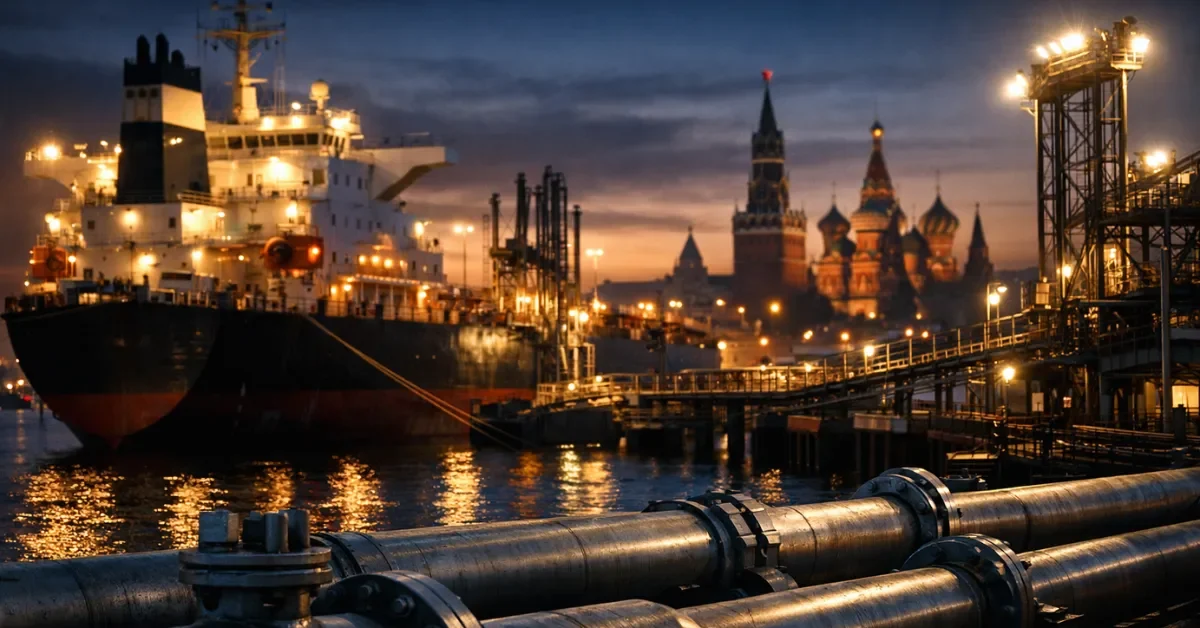
The escalating US-Israel war with Iran has triggered a massive global energy crisis, unexpectedly transforming Russia into a major financial beneficiary. Following military strikes that began on February 28 and resulted in the death of Iranian Supreme Leader Ali Khamenei, global oil markets have been thrown into turmoil. As shipping through the crucial Strait of Hormuz slows down, Russian oil revenue is climbing rapidly, providing a significant economic lifeline for the Kremlin’s ongoing military operations in Ukraine.
In just the first two weeks of the Middle East conflict, Moscow earned an estimated €6 billion from fossil fuel exports. According to data from the Centre for Research on Energy and Clean Air, average daily earnings for Russian energy rose by 14 percent in March compared to February. This surge brought in an additional €672 million in just a few days, driven almost entirely by the soaring value of crude oil.
Global Markets React to Supply Disruptions
The International Energy Agency reported that the current hostilities have knocked at least 10 million barrels per day of oil and gas output out of the Gulf region. This massive supply shock has sent global benchmarks skyrocketing. Brent crude quickly surpassed $100 per barrel, at one point exceeding $119, while other international benchmarks easily broke the $90 threshold.
For Russia, this price explosion reverses a prolonged economic slump. Throughout 2025, strict international sanctions and lower global demand had pushed Moscow’s energy profits to a five-year low. Now, the price of Russian Urals crude has jumped to $72 per barrel, a steep increase from just $40 in December.
Energy experts point out that the length of the Middle East conflict will determine the ultimate financial impact on Moscow. If the fighting lasts only a few weeks, the global market may quickly stabilize. However, a prolonged war could permanently shift energy flows. Some analysts suggest that a long-term disruption in the Gulf would force major energy consumers like India and China to rely even more heavily on Russian exports.
Easing Sanctions and Geopolitical Shifts
As energy prices threaten Western economies, political leaders are debating how to respond. US President Donald Trump recently announced that his administration would consider relaxing sanctions on Russian oil in an effort to stabilize global markets. A temporary tariff waiver is already allowing Indian refiners to purchase Russian crude that is currently sitting on tankers.
However, sanctions advocates and European officials warn against this approach. Alexander Kirk, a sanctions advocate at the non-governmental organization Urgewald, noted that rolling back restrictions will not calm the markets. Instead, it will allow Moscow to sell the exact same volume of oil at significantly higher prices. “When markets react in panic, authoritarian exporters benefit,” Kirk stated, emphasizing that the surging revenue directly supports the Kremlin’s military endeavors.
Meanwhile, the European Union is reportedly preparing its 20th package of sanctions aimed at further restricting Moscow’s ability to finance its military. Yet, the energy shock is deepening political divides within Europe. Hungarian Prime Minister Viktor Orban has publicly called for the EU to lift its existing energy sanctions to provide relief from soaring costs.
Putin Seizes the Opportunity
Russian President Vladimir Putin is actively encouraging his country’s energy sector to capitalize on the chaos. During a recent televised meeting with government officials and oil executives, Putin blamed the rising costs on Western sanctions and the military aggression against Iran.
He also signaled a willingness to resume long-term energy partnerships with European nations, provided those deals are free from political conditions. “If European firms and buyers suddenly choose to redirect their efforts and offer us long-term, stable cooperation, free from political constraints, then yes, we have never turned that down,” Putin stated. Before the Ukraine war, Europe relied on Russia for more than 40 percent of its natural gas. Today, that number has plummeted, but Putin suggested that Moscow is ready to reopen the taps if European buyers change their policies.
Despite losing a vital regional ally in Iran, the financial windfall from the crisis appears to outweigh the strategic setback for Russia. The surge in energy profits provides vital funding for military efforts that were beginning to show signs of financial strain. Furthermore, the intense focus on the Middle East has diverted international attention and diplomatic pressure away from Eastern Europe, giving the Kremlin both an economic and geopolitical advantage as global uncertainty continues to grow.
