

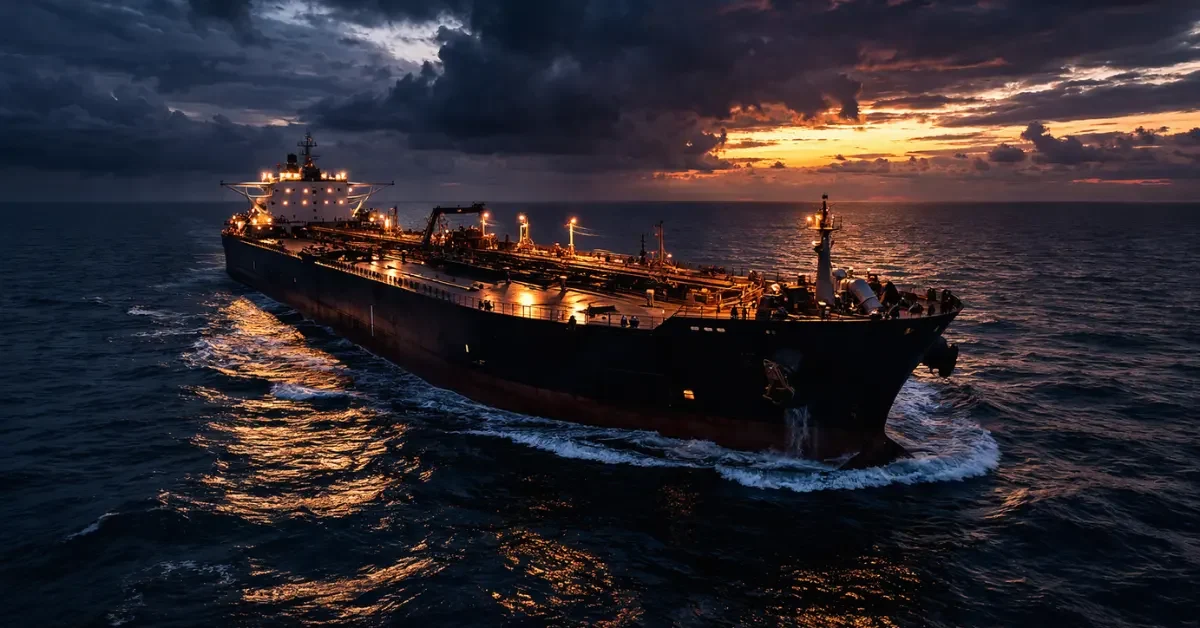
Cuba is preparing to receive its first shipments of Russian oil this year as the island nation battles a devastating energy crisis and widespread electricity shortages. In defiance of strict United States sanctions and an ongoing economic embargo, maritime intelligence reports indicate that multiple vessels are using covert shipping methods to deliver the highly anticipated fuel. The deliveries arrive at a critical moment for the Cuban people, who are currently facing deteriorating infrastructure and daily power struggles.
The country’s fragile power grid suffered a massive collapse on March 16, an event that left approximately 10 million residents completely without electricity. Following the blackout, the Cuban government announced that it has been forced to rely heavily on natural gas, solar energy, and thermoelectric facilities to maintain basic operations amidst the ongoing outages. The sudden grid failure highlighted the urgency of securing new energy sources, prompting international experts to closely monitor incoming marine traffic.
Deceptive Shipping Methods and Sanctions Evasion
At the center of the international scrutiny is a Hong Kong-registered tanker known as the Sea Horse. According to maritime intelligence firm Windward AI, the vessel has exhibited unusual Automatic Identification System (AIS) patterns, suggesting the ship intentionally spoofed its location to hide its true movements. These deceptive tactics are commonly used by ships attempting to bypass the United States embargo and deliver sanctioned goods without drawing attention from global monitors.
The ship’s operators allegedly employed several distinct strategies to evade detection. During a ship-to-ship cargo transfer near Cyprus, where the tanker is believed to have loaded the Russian oil, the crew switched off the vessel’s satellite tracking transponder. Furthermore, the ship opted to sail without standard Western insurance, which is a common indicator of sanctions circumvention. The tanker also repeatedly altered its official destination log. While it initially signaled that it was heading to Havana, it later changed its stated destination to “Gibraltar for orders” in an attempt to obscure its final delivery point.
Conflicting Tracking Reports and Incoming Vessels
Industry experts and intelligence agencies have offered differing accounts regarding the exact status of the Sea Horse. According to Windward AI, the ship’s spoofed location data suggests it may have already sailed to Cuba and discharged its cargo in early March. However, according to Jorge Piñón, an energy specialist at the University of Texas Energy Institute, the vessel is still actively en route to the island.
Piñón reported that the Sea Horse recently spent 20 days drifting in the Atlantic Ocean before finally resuming a west-southwest trajectory. Currently, the ship is positioned approximately 958 nautical miles from Matanzas, Cuba, traveling at a speed of nearly nine knots. If this tracking data is accurate, the vessel is projected to reach Cuban shores in about four days.
The Sea Horse is not the only vessel making the journey. A second ship, the Russian-flagged Anatoly Kolodkin, is also currently navigating the Atlantic Ocean. Positioned roughly 3,000 nautical miles away from Cuba, this tanker is anticipated to arrive within ten days, providing another potential source of relief for the struggling nation.
Evaluating the Impact on the Cuban Fuel Shortage
Despite the significant volume of oil being transported, the incoming shipments may only provide temporary relief for the island’s severe fuel shortages. Reports differ slightly on the exact size of the cargo carried by the Sea Horse, with some sources estimating 190,000 barrels and others reporting around 200,000 barrels of Russian oil.
While this amount represents a massive influx of fuel, Piñón pointed out that Cuba currently consumes approximately 20,000 barrels of diesel every single day. Because the island nation has extremely limited storage capacity, this single shipment will not be enough to fully meet the country’s ongoing diesel requirements. As a result, Piñón predicts that the Cuban government will strictly ration the newly acquired fuel. The resources will likely be allocated directly to vital sectors of the economy, specifically prioritizing agricultural operations and public transportation networks to prevent a total systemic halt.
If the safe arrival of either the Sea Horse or the Anatoly Kolodkin is officially confirmed, it will mark the first time that Russian oil has successfully reached Cuba in the current calendar year. Prior to these deliveries, the last recorded oil shipment to the island occurred in January. During that delivery, a vessel named the Ocean Mariner transported 85,000 barrels of oil originating from Pajaritos, Mexico.
Tracking these covert maritime movements remains an incredibly complicated task for international observers. Experts explain that vessels operating under the threat of United States capture or international sanctions frequently disable their tracking hardware, making it exceedingly difficult to verify final destinations and delivery timelines.
