

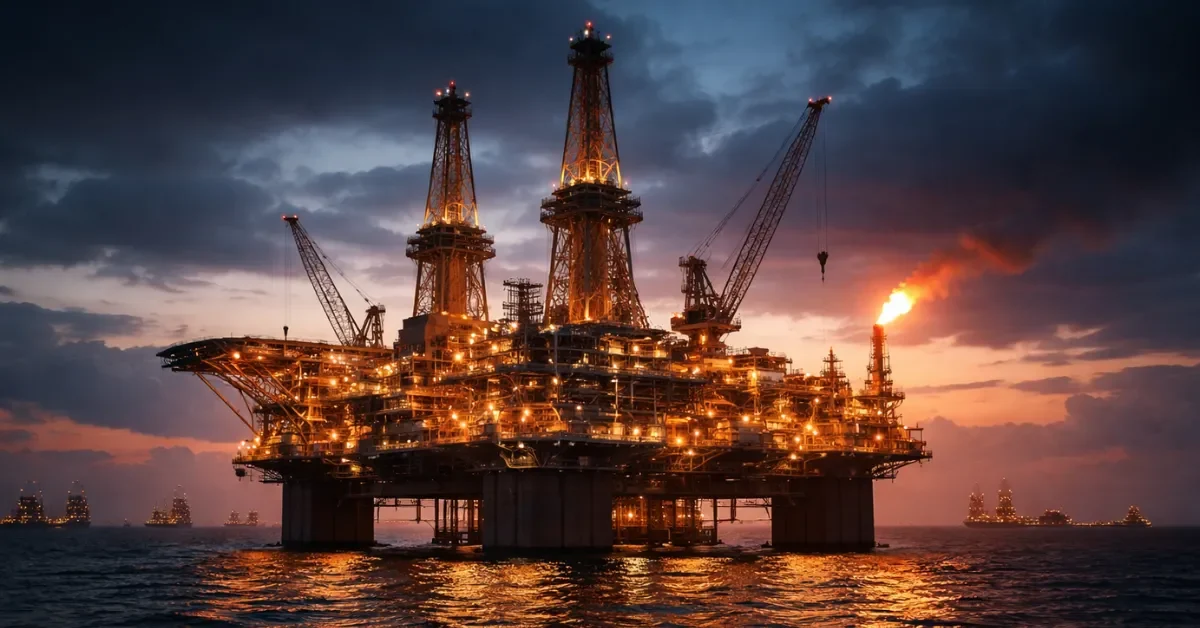
The global energy landscape is currently facing severe challenges as the ongoing Iran conflict heavily disrupts the international oil and gas supply. Recent developments have centered around significant attacks on major oil and gas sites across the Middle East. These incidents have fundamentally altered the stability of the energy market, causing widespread concern among international leaders and financial markets. As the Iran conflict continues to unfold, the severe energy impact forces the world to rapidly pay up for essential resources and fundamentally cut energy consumption.
The ripple effects of this Gulf crisis are creating a complex situation for the broader global economy. The intersection of skyrocketing oil prices, a massive global AI boom, ongoing policies from the World Trade Organization (WTO), the escalating Iran war, and broader energy challenges is reshaping international markets. With major oil and gas sites in the Middle East facing direct attacks, the foundation of the world’s energy infrastructure is under immense pressure.
Severe Price Warnings and Market Volatility
One of the most alarming developments surrounding the Iran conflict comes from a recent report detailing the perspective of Saudi Arabia. The nation has issued a stark warning about the trajectory of energy markets. Saudi Arabia warns that oil prices could spike past $180 a barrel if the Iran war continues to rage on. This specific projection underscores the extreme volatility currently defining the international oil sector. A potential spike past $180 a barrel would drastically alter the financial reality for energy buyers everywhere. Because the Iran war rages on, this severe warning from Saudi Arabia is forcing nations to prepare for unprecedented financial hurdles.
In addition to the ongoing war, political measures are also influencing the sector. Specifically, Iran oil sanctions associated with Trump are playing a notable role in the broader geopolitical landscape. These sanctions add another layer of complexity to the already tense environment surrounding Middle East supply disruptions.
Regional Impacts: India and Australia
The consequences of the Iran conflict and the resulting Gulf crisis are being felt differently across various global regions. In India, the energy disruption has led to a direct and immediate financial adjustment for the industrial sector. Due to the ongoing Gulf crisis, industrial diesel prices in India have been officially hiked by Rs 22 per litre. This significant Rs 22 per litre increase places a heavy burden on industrial operations that rely on bulk diesel. However, despite this massive hike for industrial users, there has been absolutely no change in retail fuel prices. Regular consumers purchasing retail fuel have been shielded from this specific price increase, as the adjustment currently only applies to industrial diesel prices.
Meanwhile, the situation is presenting entirely different challenges in the Southern Hemisphere. Australia is currently enduring a severe cost of living crisis, and international energy dynamics are actively fueling this domestic issue. Specifically, Iran’s chokehold on the Strait of Hormuz is a primary factor fueling Australia’s cost of living crisis. The Strait of Hormuz remains a critical global maritime route, and the chokehold over this area is heavily restricting standard supply chains. Consequently, the financial strain from this chokehold is directly impacting everyday living costs in Australia.
Seeking Solutions for Consumers
As the energy impact forces the world to pay up and cut consumption, international organizations are actively searching for viable solutions. The Middle East supply disruptions have created immense financial burdens, prompting official responses from major energy authorities. A completely new report from the International Energy Agency (IEA) has been released to address these exact challenges. This new IEA report explicitly highlights multiple options designed to ease the mounting oil price pressures currently burdening consumers.
By focusing on strategic options to ease oil price pressures, the IEA report aims to provide a framework for navigating the Middle East supply disruptions. Consumers are bearing the brunt of the financial impact, and the IEA report highlights how strategic choices might offer some relief. As the Iran conflict disrupts the oil and gas supply, implementing these options will be critical for managing the ongoing energy impact.
The combination of the Iran war, the related Trump oil sanctions, and the shifting dynamics of the WTO and the AI boom will continue to dictate the future of the global economy. As long as attacks on major oil and gas sites in the Middle East persist, the world will have to continuously navigate this challenging energy reality.
