

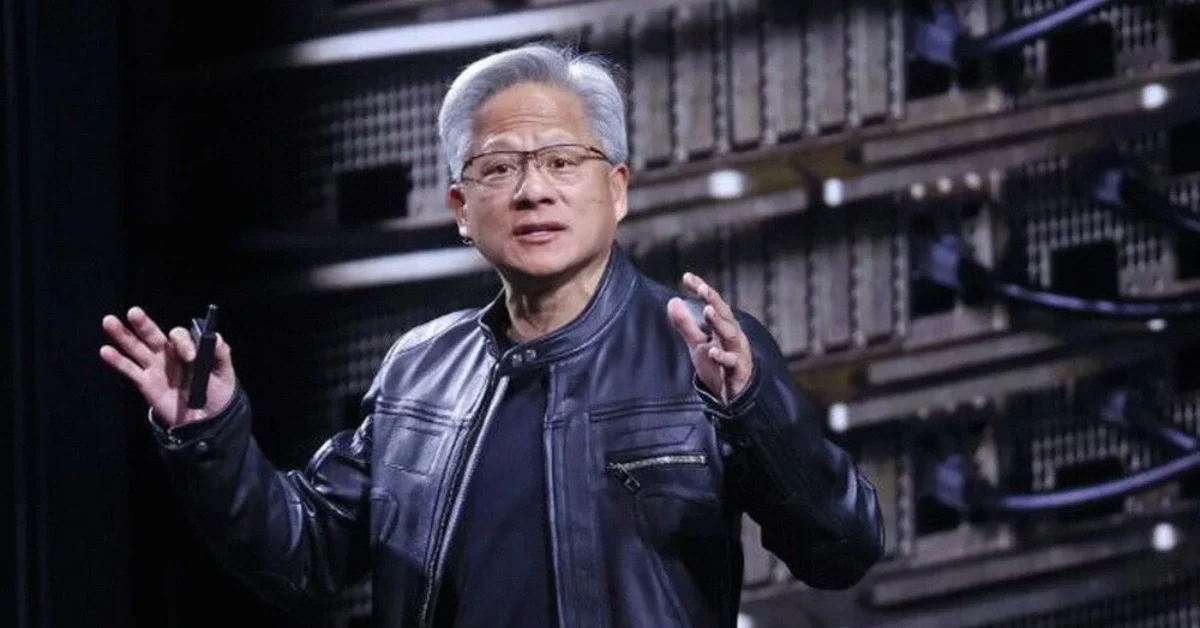
Nvidia GTC 2026 put AI inference and agentic software at the center of the company’s strategy, with CEO Jensen Huang using the San Jose event to unveil a new inference system, highlight open-source AI efforts, and argue that demand for Nvidia’s latest platforms is still rising fast.
The announcements showed how Nvidia is trying to defend its leadership as the AI market shifts from training large models to running them in everyday use, a change that Huang and several analysts described as a major turning point for the industry.
Inference moves forward
During the keynote, Huang introduced a new inference system called the Nvidia Groq 3 LPX, which combines technology from Groq with Nvidia’s Vera Rubin architecture. Business Insider reported that Huang said the system can speed up inference workloads by up to 35 times and is expected to ship in the second half of this year, with Samsung manufacturing the Groq chip.
Huang framed that launch as a response to what he sees as a new phase in AI adoption. He said “the inflection point of inference has arrived,” while Axios reported that he described the market as moving beyond the training stage and into a period where inference models are driving higher demand for advanced chips.
That shift matters because inference is becoming more competitive. Business Insider said a growing group of Nvidia rivals, including hyperscalers and startup chip companies, are building systems aimed at handling inference more cheaply and efficiently than general-purpose hardware.
Demand outlook expands
Huang also used GTC 2026 to present a much larger demand outlook for Nvidia’s newest systems. Business Insider reported that he said Nvidia expects at least $1 trillion in demand for Blackwell and Rubin AI systems through 2027, up from about $500 billion in projected demand through 2026.
Axios described the figure differently, saying Huang anticipated at least $1 trillion in revenue from the company’s latest AI chips by 2027 through sales of Blackwell and Vera Rubin products. Constellation Research also used a different framing, saying Huang spoke about line of sight to $1 trillion in orders, demand forecast, and purchase orders for Blackwell plus Rubin through 2027, while noting that Wall Street viewed the projection as weaker-than-expected growth.
Constellation also reported that Huang later clarified the figure covered only Blackwell and Rubin, not other products such as Groq, standalone CPUs, Feynman, Rubin Ultra, or Vera sold separately. In the same discussions, he said demand is broadening beyond hyperscalers to include regional clouds, industrial users, enterprise on-premises deployments, OEMs, and ODMs.
Open-source strategy grows
Another major theme at Nvidia GTC 2026 was open-source interoperability. ITPro reported that Nvidia introduced the Nemotron Coalition, a group that includes Cursor, Mistral AI, Perplexity, and other AI providers that the company said will help shape the next generation of AI systems.
As part of that effort, Nvidia said it will work with Mistral AI to co-develop a new base model trained through Nvidia DGX Cloud, and the company said that model will be shared with the open ecosystem and support the upcoming Nvidia Nemotron 4 family. ITPro said Forrester analyst Charlie Dai viewed the move as evidence that Nvidia is placing more emphasis on interoperability as agentic and physical AI systems become more important.
Dai also said openness is becoming less about cost savings alone and more about interoperability, observability, and long-term control as AI systems grow more autonomous and distributed. He added that enterprises are increasingly combining open models, frameworks, and tools with commercial offerings to manage risk and scale.
Agentic tools take shape
Agentic AI was another clear focus of Huang’s message. ITPro reported that Nvidia launched NemoClaw, built on top of OpenClaw, an open-source framework that lets users create their own AI agents and draw on coding agents or open-source models, including Nvidia’s Nemotron models.
During the keynote, Huang said every company needs both an OpenClaw strategy and an agentic systems strategy. Constellation reported that he went even further in meetings with analysts, calling OpenClaw a revolution and comparing the need for an OpenClaw strategy to earlier enterprise shifts around Linux, the internet, and mobile cloud computing.
Axios reported that Huang said Nvidia plans to combine Vera Rubin chips with storage, inference accelerators, and Ethernet racks into what it calls an AI supercomputer designed to deliver a generational leap in agentic capabilities. He also said software companies may evolve from software as a service into what he called “agentic AI as a service,” where agents help customers build software rather than simply use it.
Taken together, the announcements showed Nvidia trying to prove it can lead not just in chips, but in the broader platforms, software frameworks, and open ecosystems that may shape the next stage of AI. With inference demand rising, agentic AI gaining momentum, and open-source projects getting more attention, GTC 2026 made clear that Nvidia is expanding its pitch well beyond the GPU alone.
