

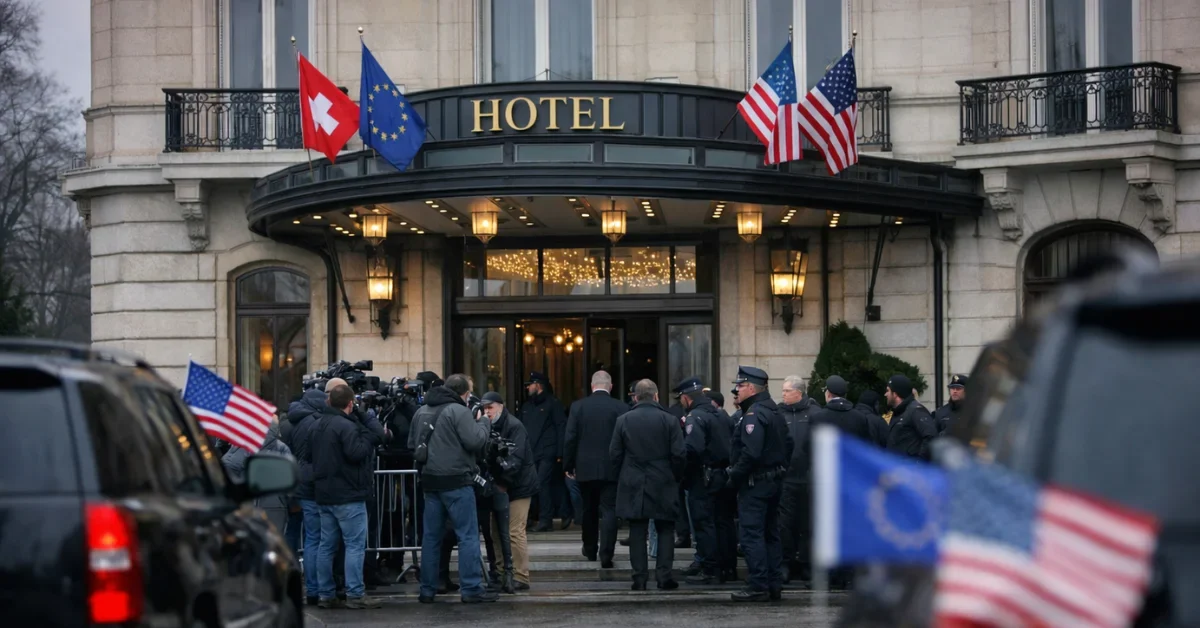
U.S.-mediated peace negotiations between Russia and Ukraine concluded in Geneva on Wednesday without a significant breakthrough, ending abruptly after a brief second day of discussions. Both Moscow and Kyiv described the diplomatic engagement as “difficult,” leaving major disputes over territorial control and security guarantees unresolved just days before the four-year anniversary of the conflict.
The talks, facilitated by the United States in Switzerland, aimed to bridge the widening chasm between the two warring nations. However, the dialogue ended with no signed agreement and no clear path forward on the most contentious issues. While Russian officials characterized the tone of the meetings as professional, Ukrainian leadership expressed frustration with the pace of negotiations and the external pressure being applied to reach a compromise.
‘Business-like’ but Brief
The latest round of diplomacy spanned two days but differed sharply in intensity. The opening session on Tuesday involved nearly six hours of discussions across various bilateral and trilateral formats, which Russian sources described as “very tense.” In contrast, the delegations reconvened for only about two hours on Wednesday before the talks broke off.
Vladimir Medinsky, the chief Russian negotiator and a senior adviser to the Kremlin, addressed reporters shortly after the meeting concluded. He characterized the exchanges as “difficult but business-like.” Medinsky confirmed that while no immediate deal was struck, the parties agreed to hold another round of talks in the near future. Following his brief statement, he declined to answer further questions from the press.
Divergent Demands Stymie Progress
The failure to reach an accord stems from fundamentally opposing demands regarding territory and critical infrastructure. Moscow continues to insist that Ukraine withdraw its forces from the remaining Ukrainian-controlled pockets of the eastern Donbas region. Specifically, Russia is demanding that Kyiv relinquish approximately 20% of the Donetsk region that Russian troops have not yet captured.
Kyiv has consistently rejected this ultimatum, refusing to cede sovereign territory. In return, Ukrainian negotiators are pushing for a deal that places the Zaporizhzhia Nuclear Power Plant—Europe’s largest nuclear facility—under joint management by Ukraine and the United States. Russia has declared this condition unacceptable, creating a significant deadlock.
Rustem Umerov, the head of the Ukrainian delegation and leader of the National Security and Defence Council, stated that the talks had focused on “practical issues and the mechanics of potential decisions.” Writing on social media, Umerov noted that working groups were attempting to clarify the parameters of political and military decisions discussed during the marathon Tuesday session, though he cautioned against “excessive expectations.”
Pressure on Kyiv Mounts
The atmosphere surrounding the Geneva talks was complicated by reports of intense pressure on the Ukrainian leadership. Ukrainian President Volodymyr Zelenskyy publicly voiced concerns that the United States was exerting “undue pressure” on his government to accept a deal that might involve painful compromises.
President Donald Trump, who has pushed for a swift resolution to the four-year-old war, has reportedly urged Kyiv to take necessary actions to ensure the talks’ success. The U.S. delegation in Geneva included high-profile figures such as Steve Witkoff and Jared Kushner, signaling the high priority the White House places on securing an agreement.
Zelenskyy criticized Moscow’s approach, accusing Russia of deliberately stalling. “We can assert that Russia is attempting to prolong negotiations that could have already progressed to the final stages,” he remarked.
Security Assurances and Future Engagement
Beyond territorial disputes, Kyiv is seeking robust, U.S.-backed security assurances to prevent future aggression should a peace deal eventually be signed. Trilateral negotiations involving U.S. Army officials, including Brigadier General Michael Adamski, reportedly touched on these security frameworks, though no details were released.
The Geneva meetings followed an earlier round of direct talks in Abu Dhabi, which officials had described as constructive but similarly barren of major results. While European allies like France and Germany did not participate directly in the Swiss negotiations, their delegations were present in Geneva to receive updates, highlighting the broader international stakes.
As the February 24 anniversary of the invasion approaches, the lack of a breakthrough underscores the entrenched positions of both sides. Kremlin spokesman Dmitry Peskov noted it was “too early” to speak about a final outcome, stating only that President Vladimir Putin was receiving regular reports on the progress. For now, the war continues, with diplomatic efforts paused until the envoys convene again.
