

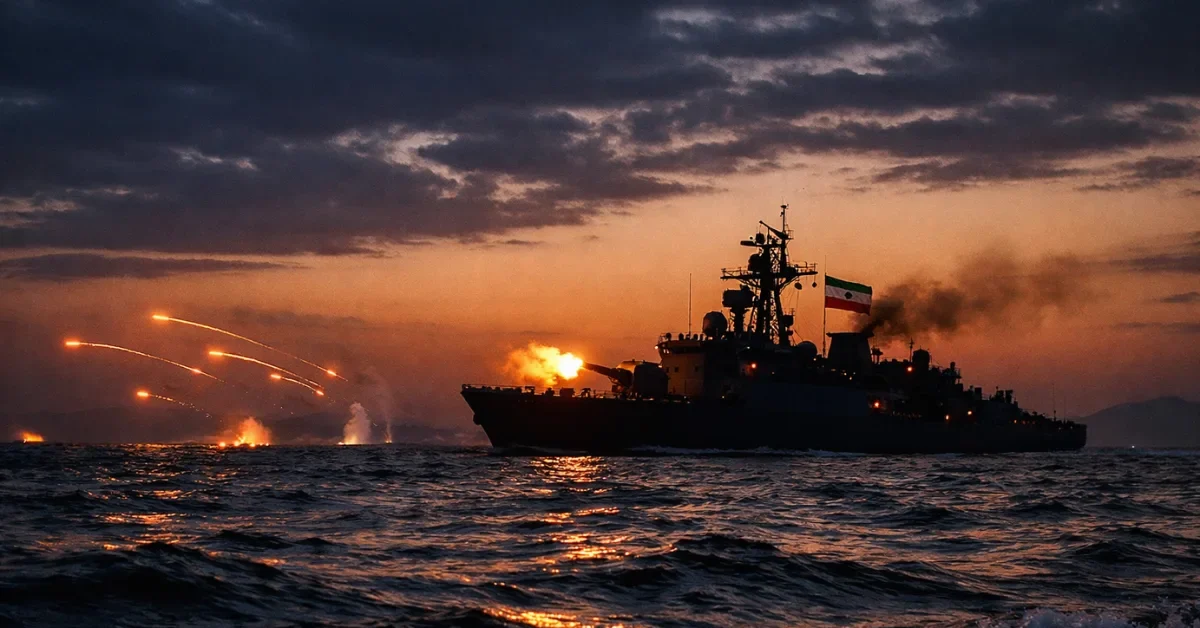
Tensions in the Middle East reached a new peak this week as Iran announced the temporary closure of the strategic Strait of Hormuz to conduct live-fire military drills. The move comes at a delicate moment, coinciding directly with the start of high-stakes nuclear negotiations between Tehran and Washington in Geneva. The aggressive display of military capability has drawn sharp responses from global powers and rattled energy markets, as the Trump administration signals a narrowing window for diplomatic resolution.
This latest development underscores the fragility of the security situation in the Persian Gulf. With US military assets building up in the region and Iranian forces asserting control over vital waterways, the atmosphere surrounding the new round of talks is charged with mistrust.
Strategic Waterway Shut Down for Exercises
Iranian state media confirmed that the country’s military forces would close parts of the Strait of Hormuz for a “limited period” to carry out live-fire naval exercises. According to reports citing the Fars news agency, the closure is scheduled to last for only a few hours and will primarily occur during overnight hours to minimize disruption to commercial traffic. However, the symbolic weight of the maneuver is significant.
The Strait of Hormuz is one of the world’s most critical maritime chokepoints, with roughly 20% of the world’s oil supply passing through its narrow waters. By announcing a closure, even a temporary one for drills, Tehran is effectively demonstrating its ability to disrupt global energy flows. The exercises involve testing naval readiness and firing live munitions, a clear signal of military preparedness sent directly to the United States and its regional allies.
Military analysts view the timing as intentional. Launching such provocative drills just as diplomats gather in Switzerland suggests that Iran intends to negotiate from a position of visible strength, ensuring its military leverage is felt before a single word is exchanged at the negotiating table.
Nuclear Talks Launch in Geneva Amidst Friction
While destroyers and speedboats maneuver in the Gulf, diplomats are converging in Geneva for a renewed attempt to address Iran’s nuclear program. These talks mark the first major diplomatic engagement on the issue in months and are being watched closely by the international community. The discussions aim to de-escalate the standoff, yet the environment is far from conducive to compromise.
The United States has entered these negotiations with a firm stance. The Trump administration has continued to apply significant economic and military pressure on Tehran, seeking concessions regarding its nuclear ambitions. The simultaneous military drills serve as a reminder of the volatile alternative to diplomacy. If the talks in Geneva fail to produce a breakthrough, the risk of physical confrontation in the Gulf could rise significantly.
US Pressure Campaign and the “10-Day Window”
Washington has responded to the rising tensions with a show of force of its own. Reports indicate a substantial buildup of US military assets in the Middle East, a move designed to deter Iranian aggression and reassure regional partners. The Trump administration has reportedly set a tight timeline for results, with sources describing a “10-day window” for action. This deadline places immense pressure on the diplomatic teams in Geneva to show progress rapidly.
The White House has made it clear that while it is open to talks, it will not tolerate threats to freedom of navigation or continued nuclear escalation. The military reinforcement serves as the “stick” in this diplomatic strategy, warning Tehran that the US is prepared for various contingencies should the “window” close without a resolution.
Russia Warns Against Escalation
The intensifying situation has drawn the attention of other global powers, specifically Russia. Moscow issued a stern warning regarding the US military buildup, cautioning that increasing the concentration of western forces in the region risks sparking an uncontrollable conflict.
Russian officials expressed concern that the combination of American pressure tactics and Iranian counter-moves creates a “spiraling” dynamic that could easily lead to accidental war. By positioning itself as a critic of the US approach, Moscow is signaling its continued support for Iran and its desire to limit American influence in the Middle East’s security architecture.
Economic Jitters
The immediate impact of these developments is being felt in the global economy. The mere mention of the Strait of Hormuz in the context of military closures tends to send oil prices climbing. Traders fear that any miscalculation during the live-fire drills, or a collapse in the Geneva talks, could lead to a longer-term blockage of oil shipments.
For now, the closure is temporary, and the talks are proceeding. However, the simultaneous events of military posturing in the Gulf and diplomatic hardball in Europe have created a high-stakes waiting game. The coming days will determine whether this 10-day window leads to a diplomatic off-ramp or a dangerous collision.
