

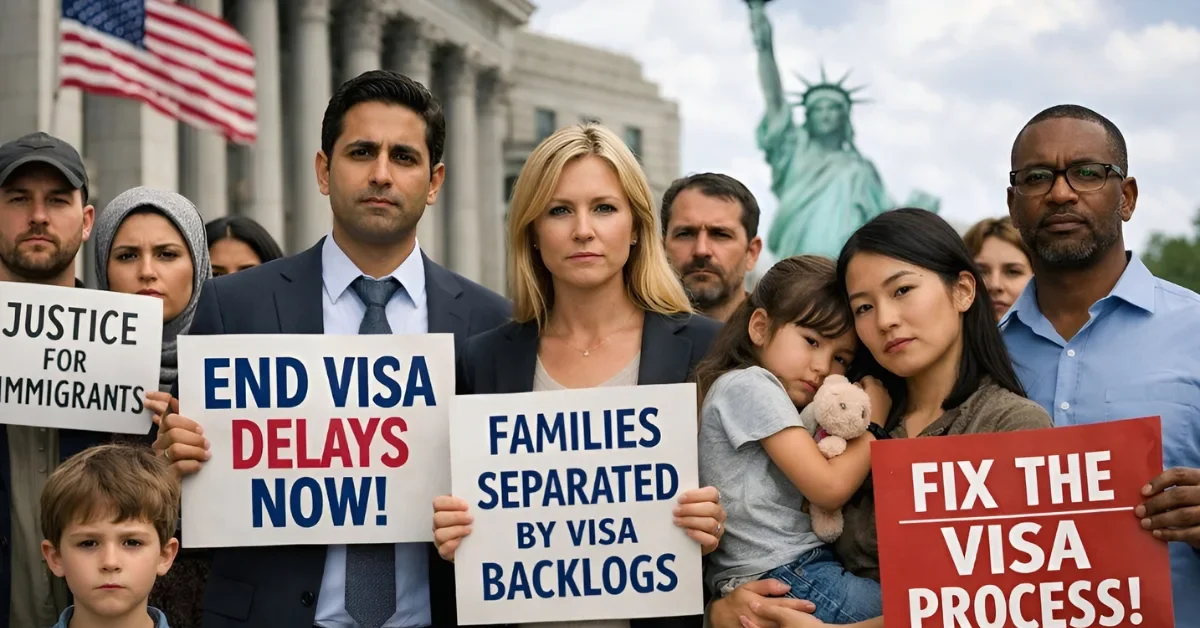
A new lawsuit takes aim at the Trump administration’s recent halt on green cards from 75 countries. Filed in a New York federal court, the legal action claims the policy lacks legal backing and harms families and skilled workers waiting to join loved ones in the United States.
The complaint argues that the freeze breaks key immigration laws and constitutional rights. Plaintiffs, including a major Catholic immigration group, seek an immediate end to the restriction that started just days after President Trump’s inauguration.
Policy Sparks Immediate Backlash
The State Department launched the pause on January 21. Officials cited worries about immigrants relying on public benefits as the reason for reviewing visa rules.
This move affects nationals from nations like Brazil, Colombia, Nigeria, and Iran. No clear end date has been announced for the review process.
It fits into a pattern of quick changes tightening entry for immigrants and visitors. Critics call it an overreach without proper justification.
Families and Professionals Feel the Impact
At the heart of the suit are real people facing separation. A Colombian endocrinologist with approval for a top-tier employment visa can’t enter the country.
Another plaintiff, a Colombian engineer focused on clean energy, holds clearance for a special green card waiver. Both risk losing spots due to yearly limits and country quotas during the hold.
U.S. citizens also joined the case. They petitioned to bring spouses and children but now face indefinite delays.
Catholic Legal Immigration Network Inc. leads the challenge. Executive Director Anna Gallagher stated, “This administration is trying to shut down lawful immigration from nearly half the countries in the world without legal authority or justification.”
Core Legal Claims Unpacked
Lawyers say the policy violates the Administrative Procedure Act. They also point to breaches of the Immigration and Nationality Act and equal protection rules.
The public charge rule in law allows denying entry to those likely to need benefits. Yet the suit stresses this has never barred entire groups before.
Most visa seekers can’t access aid anyway, often for years after arrival. Blanket nationality-based blocks go against the law’s anti-discrimination stance.
Plaintiffs link the reasoning to past statements hinting at stereotypes. They argue it dodges Congress’s specific visa rules.
Administration Defends the Move
State Department leaders stand firm. Secretary Marco Rubio insists immigrants prove financial independence to curb waste, fraud, and abuse.
Spokesperson Tommy Pigott added, “The Department is pausing issuance to evaluate and enhance screening and vetting procedures – but we will never stop fighting for American citizens first.”
The policy aims to strengthen checks before resuming processing.
Echoes of Past Court Fights
This isn’t the first clash over benefit concerns. Last month, a Nevada federal judge blocked a similar refusal for two girls adopted by a U.S. citizen.
That ruling called the approach a workaround of legislative intent. It highlighted narrow grounds for visa denials.
Who Represents the Challengers
A team of advocacy groups backs the effort. They include the National Immigration Law Center, Democracy Forward Foundation, and the Legal Aid Society.
Others on board are the Center for Constitutional Rights, Western Center on Law & Poverty, and law firm Colombo & Hurd.
The case, Catholic Legal Immigration Network, Inc. v. Rubio, landed in the Southern District of New York. It carries docket number 1:26-cv-00858, filed February 2.
What Happens Next in Court
Judges will weigh emergency requests to halt the freeze. Outcomes could reshape access for thousands from dozens of countries.
The fight underscores tensions over immigration enforcement early in Trump’s second term. Families watch closely as proceedings unfold.
Skilled workers and everyday Americans push back against broad restrictions. They demand adherence to established laws amid policy shifts.
This lawsuit spotlights how visa pauses ripple through lives. Delays threaten careers, reunions, and stability for approved applicants.
As debates heat up, the court holds power to pause or proceed the administration’s plan.
