

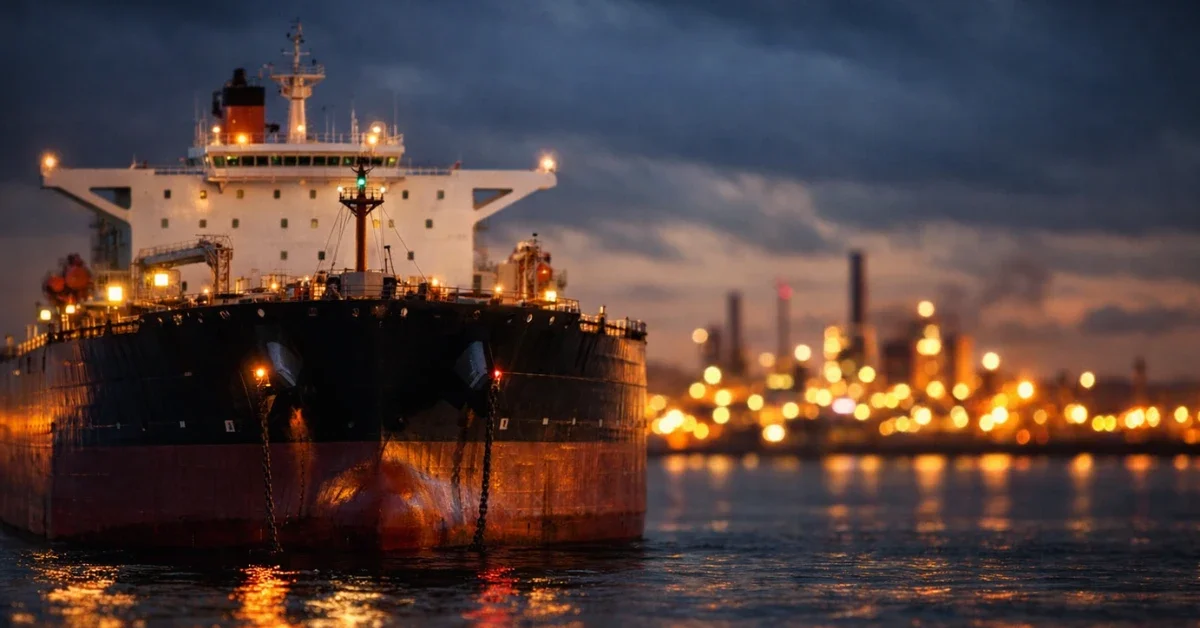
Global energy markets are experiencing unprecedented turbulence as the ongoing Strait of Hormuz crisis heavily chokes Middle East supply chains. Amid a rapidly escalating war involving the United States, Israel, and Iran, the strategic waterway has been effectively locked down, causing global oil prices to spike by 4%. This severe disruption is already hitting consumers and logistics networks directly, with US diesel prices surging past $5 per gallon as the conflict intensifies. The broader economic implications of these localized military engagements are now radiating outward, prompting fears of sustained inflation and a prolonged energy deficit.
Gulf Oil Producers Scramble to Bypass Hormuz
With maritime traffic largely halted, Gulf oil producers are scrambling to bypass the Strait of Hormuz to maintain their crucial exports. The narrow passage normally handles approximately 20% of the world’s crude oil supply, but recent military actions have rendered it entirely too hazardous for standard commercial transit. Reports indicate an 80% drop in seaborne traffic through the corridor after multiple tankers were struck by explosive drones.
Consequently, major regional energy leaders are forced to seek alternative pipelines and ports to keep the crude flowing. For example, Saudi Arabia has increasingly diverted its oil shipments toward the Red Sea port of Yanbu using the East-West Crude Oil Pipeline. Similarly, the United Arab Emirates has routed crude through the Abu Dhabi pipeline toward alternative coastal facilities. However, the existing infrastructure capacity of these bypass pipelines cannot completely replace the massive volume of oil traditionally shipped through the strait, leaving a significant gap in the global market.
UAE’s Fujairah Oil Trading Hub Targeted Again
Compounding the dire supply chain issues, the alternative export routes established by Gulf nations are increasingly under fire. The United Arab Emirates’ Fujairah oil trading hub—a vital facility that sits outside the perilous strait and offers a crucial bypass route—has been targeted again by drone attacks. Specialized civil defense teams were urgently deployed to manage a substantial fire at the energy facility following the latest strike.
This recent incident marks the second drone assault on the critical bunkering and storage zone in less than 24 hours. Although no casualties or injuries were reported, the strikes forced a temporary suspension of oil-loading operations at a site capable of accommodating over 70 million barrels of various fuels. The repeated targeting of Fujairah vividly highlights the extreme vulnerability of the region’s backup infrastructure, demonstrating that even ports outside the immediate conflict zone are highly susceptible to aerial bombardment.
US Diesel Tops $5 Per Gallon as Energy Markets React
The ripple effects of the Middle East conflict are being felt acutely at American fuel pumps. US diesel prices have decisively topped the $5 per gallon threshold, driven by the sudden 4% spike in global crude oil. The national average for diesel recently reached $5.04, reflecting a staggering 34% increase compared to prices recorded just before the extensive military strikes began.
The surging costs for diesel, an essential fuel for the transportation and logistics industries, raise immediate concerns regarding freight costs and consumer goods pricing. Energy analysts note that as long as the Strait of Hormuz crisis continues, upward pressure on fuel prices is likely to persist globally. In tandem with diesel, average gasoline prices have also surged, approaching the $4 mark and burdening everyday commuters. During the conflict, international benchmark Brent crude hovered around $101 per barrel, while US crude traded near $94 per barrel.
Ongoing War Dynamics and Regional Instability
The broader geopolitical landscape remains highly volatile as live updates confirm further military and diplomatic escalations. The conflict involves continuous military maneuvers, including significant joint operations against Iranian targets by the US and Israel. The situation on the ground remains deeply fractured, with Iran’s military leadership explicitly threatening to target any commercial ship attempting to cross the blockaded waterway.
Recent developments also cite strategic strikes ordered by President Trump and heightened security concerns surrounding the US embassy in Baghdad. In a bid to stabilize the chaotic shipping environment, proposals have been introduced for the US Navy to potentially escort oil tankers safely through the contested waters, alongside the provision of political risk insurance for maritime trade. However, as the military and diplomatic efforts continue to unfold, the immediate economic fallout remains heavily concentrated on the choked Middle East oil supply and the subsequent global market shocks.
