

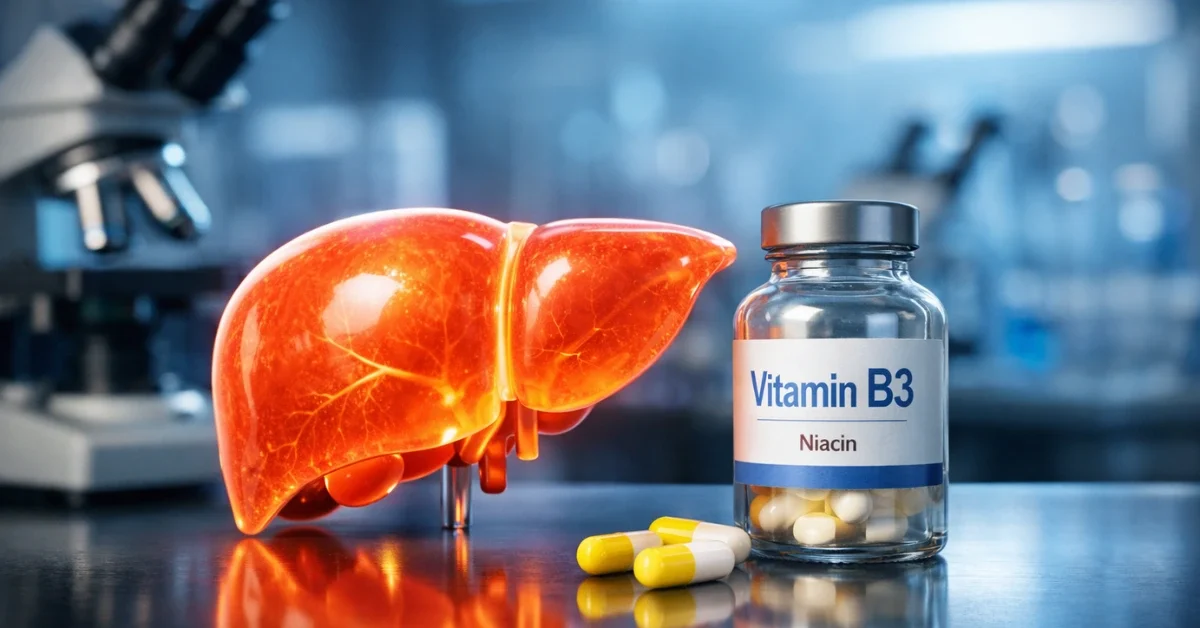
Millions of people globally face the health challenges associated with metabolic dysfunction-associated steatotic liver disease. Widely recognized as the most common liver condition in the world, this disease often progresses silently. Without proper management, it can lead to severe long-term health complications. However, medical researchers have recently uncovered a major scientific breakthrough that could fundamentally change how doctors approach this widespread issue.
A common, highly accessible nutrient is stepping into the spotlight as a potential game-changer. Exploring the use of Vitamin B3 for fatty liver has revealed an unexpectedly simple and inexpensive treatment approach. According to recent findings, an already widely available and FDA-approved nutrient shows remarkable promise as a highly effective therapeutic agent. Also known as niacin, this everyday vitamin may hold the key to reversing the progression of the disease and preventing it from developing into a more serious medical crisis.
Unlocking the Genetic Factors of MASLD
Metabolic dysfunction-associated steatotic liver disease, frequently referred to as MASLD, develops when excess fat builds up in the liver of individuals. A critical discovery by researchers at the Ulsan National Institute of Science and Technology has shed new light on how this condition worsens over time. By investigating the biological pathways in the liver, the research team identified a newly recognized genetic factor responsible for the deterioration of liver health in affected patients.
Understanding this underlying genetic trigger allowed scientists to test various interventions to see what could halt or reverse the cellular damage. During these scientific trials, Vitamin B3 emerged as the most effective solution among the tested options. Because the vitamin is already FDA-approved for other uses, its safety profile is well established. This pre-existing approval paves the way for faster, safer integration into medical treatment plans for optimal liver health.
How Niacin Supports Liver Health
The benefits of Vitamin B3 extend deeply into the organ’s core daily functions. Niacin plays a crucial role in supporting the body’s natural detoxification processes. By assisting the liver in efficiently filtering and removing harmful substances, the vitamin reduces the overall toxic stress placed on the organ. This enhanced detoxification support is especially vital for individuals whose livers are already compromised and sluggish due to excess fat accumulation.
In addition to aiding detoxification, Vitamin B3 is instrumental in boosting fat metabolism. A primary driver of liver disease is the human body’s inability to properly process and break down dietary lipids, leading to dangerous storage inside liver tissues. Dietary niacin helps stimulate metabolic pathways that clear out this stored fat. As a result, the vitamin not only halts the progression of the disease but also provides a surprisingly easy way to help reverse existing damage.
A Simple Solution for a Global Problem
The discovery offers profound new hope for patients who previously had limited medical options. Historically, managing the world’s most common liver disease has relied heavily on broad lifestyle changes. Doctors typically recommend rigorous exercise routines and restrictive diets, which many patients struggle to maintain over a lifetime. Furthermore, there has been a historical lack of highly effective, targeted pharmaceutical treatments for the condition.
The introduction of a simple, cheap, and readily available vitamin therapy provides an incredibly accessible alternative. Instead of relying solely on expensive medications or difficult lifestyle overhauls, patients may soon use a basic dietary supplement to manage their condition. This cost-effective approach could benefit millions of people globally, especially in regions where expensive medical treatments remain out of reach for the average person.
Lowering Mortality and Improving Outcomes
Beyond managing the immediate symptoms of excess liver fat, dietary Vitamin B3 has been firmly linked to long-term survival benefits. Studies indicate that an adequate intake of this essential nutrient may help significantly lower the risk of death associated with nonalcoholic fatty liver disease. By preventing the condition from advancing to more severe and life-threatening stages, such as liver inflammation or severe scarring, niacin acts as a powerful protective shield for overall metabolic health.
While this early study represents a major milestone in gastroenterology, health experts will likely continue to explore the optimal dietary recommendations needed to maximize these exact benefits. Nevertheless, the successful identification of Vitamin B3 as a powerful tool against metabolic liver conditions strongly underscores the importance of essential nutrients in disease prevention. By actively supporting fat metabolism and natural detoxification, niacin stands out as a promising defense against a rapidly growing global health crisis.
