

The ongoing Iran war and the broader Mideast conflict have triggered a severe Asia energy crisis. As tensions escalate in the Middle East, the global energy landscape is experiencing substantial disruptions. Specifically, escalating tensions surrounding the critical Strait of Hormuz are aggressively disrupting global energy flows at a massive scale. Consequently, Asia has emerged as the hardest hit region globally. The continent is currently confronting a massive energy price shock and a highly significant fuel crunch. This severe disruption to the international crude supply chain is leading to widespread consequences for daily life, international commerce, and the availability of essential supplies across the entire continent.
Because of this profound Asia energy crisis, the resulting fuel crunch is forcing drastic measures across the region. With global energy flows heavily disrupted by the Strait of Hormuz tensions, multiple nations are struggling to maintain normal societal operations. The severe fuel crunch is actively forcing the implementation of four-day work weeks to conserve precious energy resources. Furthermore, the lack of sufficient fuel is leading directly to widespread school closures in the most affected areas. The broader energy price shock continues to affect various public sectors, demonstrating exactly how heavily the Middle East conflict is impacting the Asian region’s foundational infrastructure.
Cooking Gas Panic and Conflicting Reports in Nepal
In Nepal, the regional energy crisis has manifested in severe public panic over a potential shortage of cooking gas. Due to this widespread panic over a cooking gas shortage, strict measures are actively being taken to ration the vital resource. Residents across the country, and particularly those residing in Kathmandu, are continuously fretting over the availability of cooking gas for their daily household needs. The fear of a widespread shortage has gripped the population, leading to the decision to ration cooking gas.
However, there are conflicting statements regarding the actual state of the cooking gas inventory within the country. According to reports indicating the need for immediate rationing, there is a significant shortage driven largely by intense public panic. Conversely, the oil corporation states explicitly that the cooking gas supply remains completely normal. This direct disagreement highlights the deep confusion surrounding the availability of cooking gas, as Kathmandu continues to fret over the situation while the oil corporation maintains that there is no disruption to the normal supply.
Fresh Fertiliser Crunch Hits Nepal
Beyond the immediate cooking gas panic, Nepal is also facing significant agricultural challenges stemming directly from the same international conflict. The nation is officially set for a fresh fertiliser crunch that is closely linked to the ongoing Iran war.
As the Iran war forcefully hits the global supply chain, it is simultaneously pushing up the prices of essential fertiliser. This fresh fertiliser crunch adds another severe layer of economic difficulty for Nepal. It clearly illustrates how the Mideast conflict not only disrupts the flow of traditional energy resources but also severely hits the supply of vital non-fuel commodities and pushes up their prices.
Bangladesh Secures Costly Spot LNG Cargoes
Meanwhile, Bangladesh is actively navigating the financial complexities of the global energy price shock by strategically managing its liquefied natural gas resources. The country has successfully secured vital spot LNG cargoes amid the highly volatile and unpredictable global energy market.
Despite successfully securing these spot LNG cargoes, the ongoing Mideast conflict is directly lifting the financial costs associated with them. While Bangladesh has managed to secure the necessary LNG cargoes to address its immediate energy needs, the financial burden continues to escalate significantly. This happens because the international conflict continuously lifts costs and relentlessly pushes up overall energy prices across Asia.
Cargo Movement Disrupted at Mangalore Port
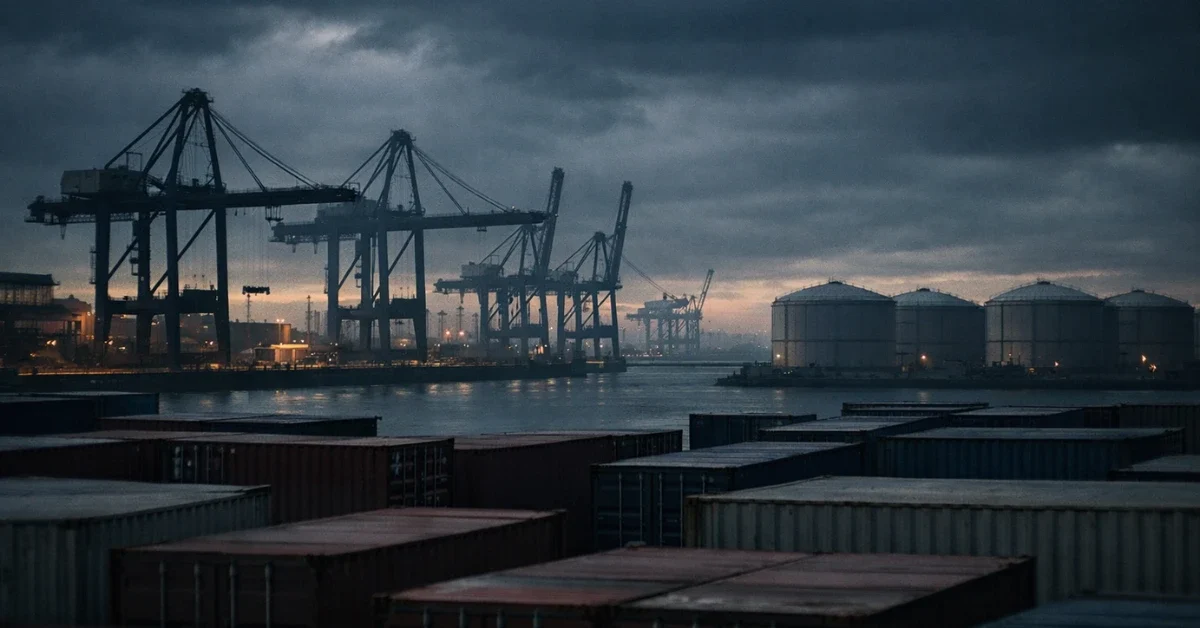
The severe crude supply shortage caused by the global energy flow disruptions is also severely impacting maritime commerce in the region. Specifically, cargo movement at the Mangalore port is taking a direct and noticeable hit amid the crude supply shortage.
This broader crude supply shortage, primarily driven by the Strait of Hormuz tensions and the overall Middle East conflict, is the central cause of the logistical disruption at the Mangalore port. As Asia fully confronts this unprecedented energy price shock, the stark reduction in cargo movement at the Mangalore port clearly highlights the extensive maritime and logistical challenges created by the worldwide energy flow disruption.
