

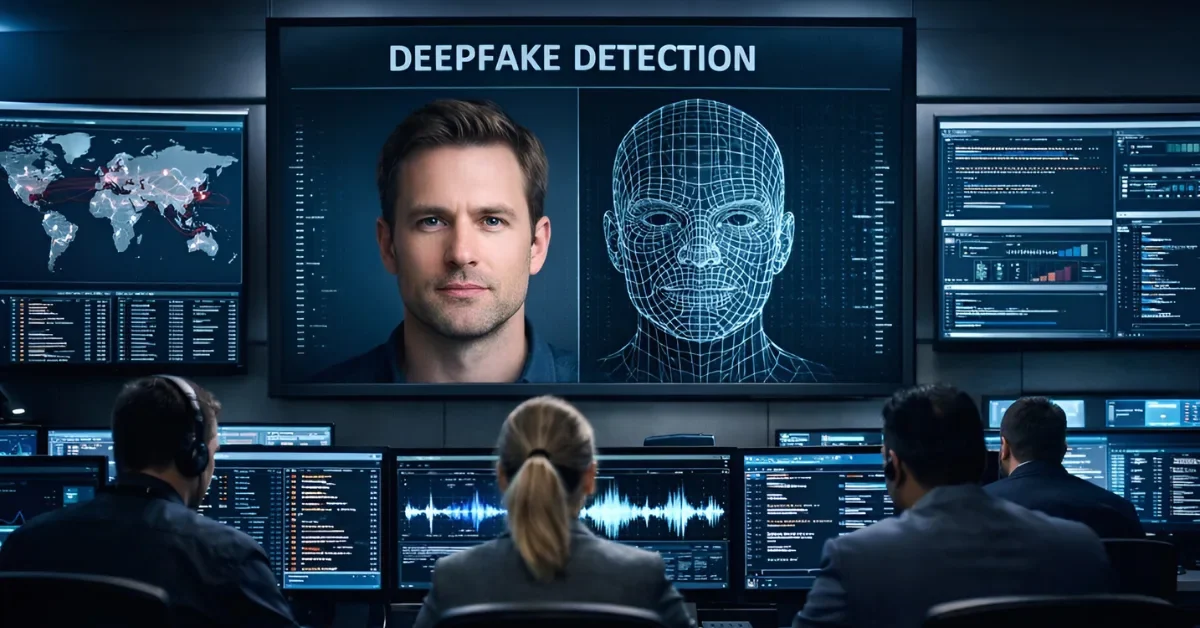
The digital landscape in 2026 has witnessed a significant escalation in artificial intelligence-based crime, with new research revealing that deepfake fraud is now operating on an industrial scale. Barriers to entry for cybercriminals have virtually disappeared, allowing scammers to launch sophisticated attacks against businesses and individuals alike. This widespread proliferation of AI-powered scams has prompted governments and security experts to sound the alarm on what is rapidly becoming a global security crisis.
A study released in February 2026 highlights the growing accessibility of tools used to create convincing synthetic media. Criminals no longer require advanced technical skills or expensive equipment to generate realistic audio and video impersonations. Instead, they can now deploy automated systems capable of producing deepfakes en masse. This shift has transformed what was once a niche threat into a high-volume operation, overwhelming traditional verification methods used by financial institutions and employers.
Automation Fuels Rise in Employment Scams
One of the most concerning trends identified is the use of deepfake technology in employment fraud. Scammers are increasingly utilizing real-time video alterations to impersonate job applicants during remote interviews. In a notable incident, the CEO of an AI security company was nearly deceived by a candidate using a deepfake overlay during a hiring interview. The applicant appeared to be a genuine professional, but subtle inconsistencies in the video feed eventually raised suspicions.
These fraudulent applicants often aim to secure remote positions to gain access to corporate networks or sensitive data. By using AI to manipulate their appearance and voice in real-time, they can bypass standard identity checks that rely on visual confirmation. The industrial nature of these operations means criminal groups can interview for hundreds of positions simultaneously, increasing their chances of infiltrating a target organization.
Barriers to Entry Disappear for Cybercriminals
The explosion in deepfake activity is driven by the plummeting cost and complexity of generative AI tools. Software that was previously available only to researchers or high-budget movie studios is now accessible to anyone with an internet connection. This democratization of technology has lowered the threshold for entry, enabling even low-level fraudsters to execute complex schemes that were previously impossible.
Reports indicate that the quality of these AI-generated fabrications has improved dramatically, making detection increasingly difficult for the average person. The distinction between real and synthetic media is blurring, creating an environment where trust in digital communications is being eroded. As these tools become more user-friendly, the volume of attacks is expected to continue its upward trajectory, affecting sectors ranging from banking to social media.
Governments Launch Global Crackdown
In response to this escalating threat, governments worldwide are intensifying their efforts to combat AI misuse. The UK government has taken a leading role, initiating a new deepfake detection plan designed to identify and flag synthetic content. This strategy involves collaboration with technology companies and international partners to establish standards for verifying digital media.
Simultaneously, law enforcement agencies are taking direct action against platforms facilitating the spread of harmful AI content. French police recently conducted a raid on the offices of X (formerly Twitter) as part of a broader investigation into the platform’s handling of deepfake material. This operation signals a tougher stance from European authorities regarding the responsibility of social media giants to police their networks.
The international community is also mobilizing, with the release of the International AI Safety Report 2026. This publication outlines the urgent need for coordinated global regulation to address the risks posed by advanced AI systems. The report emphasizes that without robust countermeasures, the unchecked spread of deepfakes could have severe consequences for democratic processes and economic stability.
Detection and Defense Strategies
As the threat landscape evolves, security firms and tech companies are racing to develop more advanced detection tools. The UK’s new initiative aims to deploy automated systems capable of analyzing metadata and visual artifacts to spot deepfakes before they go viral. These technical solutions are seen as a critical line of defense in an era where human perception is no longer a reliable gauge of reality.
Experts warn that while technology plays a crucial role in defense, public awareness remains equally important. Individuals and organizations are urged to adopt stricter verification protocols, such as using multi-factor authentication and confirming sensitive requests through offline channels. As deepfake fraud continues to scale industrially, the combination of regulatory pressure, technological innovation, and heightened vigilance will be essential to stemming the tide of AI-powered deception.
