

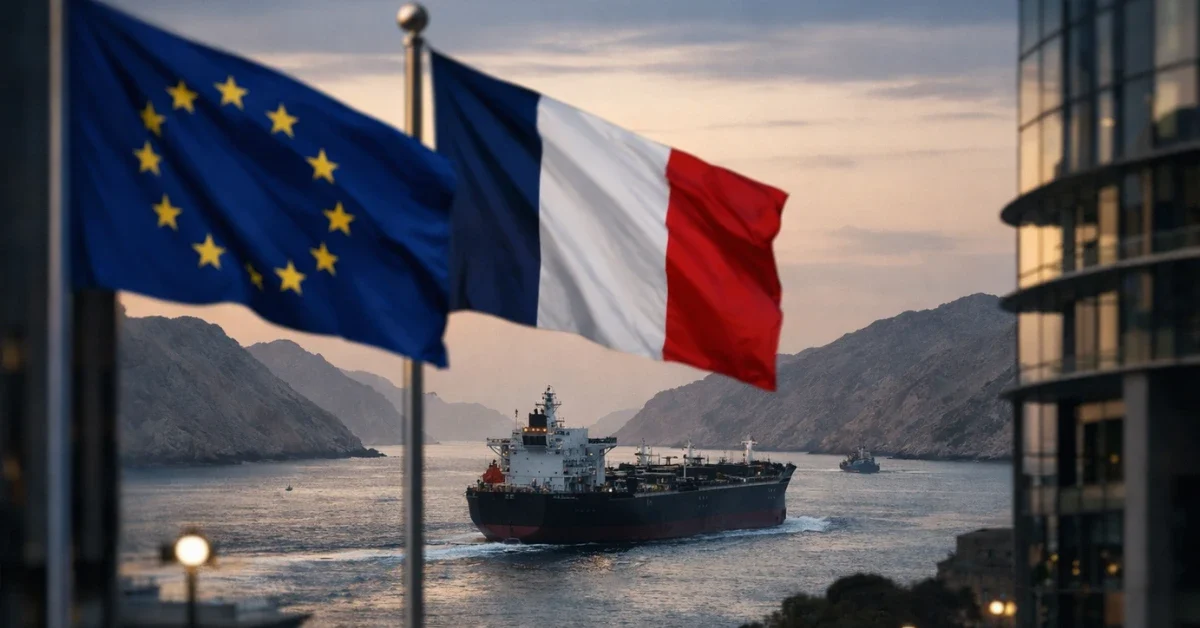
Europe’s response to the Iran war is becoming more fractured as governments try to balance security ties with Washington against fears of a wider regional crisis, higher energy costs and disruption to shipping through the Strait of Hormuz. The conflict began with US and Israeli strikes on Iran on February 28, and European leaders have since focused on restraint, diplomacy and the need to stop the war from spreading.
The European Union’s 27 member states called for maximum restraint, protection of civilians and respect for international law after an urgent meeting of foreign ministers. The EU statement also warned about risks to oil supplies, supply chains and critical waterways such as the Strait of Hormuz, underscoring how quickly the conflict has become an economic issue as well as a security one. Across Europe, governments are also preparing for possible domestic fallout, including rising gas and fuel prices and the need to protect or evacuate citizens in the region.
No Unified Stance
Even with broad calls for de-escalation, Europe has not settled on a single line. France, Germany and the United Kingdom warned that they were prepared to take defensive action if Iran continued missile and drone attacks, but they did not endorse the original strikes on Iran. Reuters reporting on the wider European debate also said France, Germany and Italy condemned Iranian missile and drone attacks while still pushing for diplomacy.
The differences are sharper in some capitals. Spain emerged as one of the strongest critics of the strikes and refused a US request to use Spanish bases, arguing that any such involvement needed a clear legal mandate. In Britain, the government initially refused permission for US forces to use British bases for the strikes, then later allowed their use for what were described as defensive operations against Iranian missile sites. UK Finance Minister Rachel Reeves separately said the fastest way to shield Britain from higher energy costs was rapid de-escalation.
France’s Balancing Act
France has tried to hold a middle position as the war grows more dangerous. Al Jazeera reported that President Emmanuel Macron described the military action as illegal while also saying Iran bore primary responsibility for the escalation. The same report said France’s view is that Iran’s nuclear issue and the threats linked to Tehran cannot be solved through outside military action, and that regime change is an even less workable goal.
At the same time, France has kept channels to Iran open. Reuters reported that Paris has maintained direct and indirect contacts with Tehran, including contacts between presidents and foreign ministers, while keeping its embassy open. French officials have also been discussing broader maritime protection ideas with European, Asian and Gulf partners, though Reuters said nothing was close to finalised and current conditions did not allow an operational escort mission.
Hormuz and Energy Risks
The Strait of Hormuz has become one of Europe’s biggest concerns because of its role in global energy trade. Reuters reported that shipping in the Gulf and along the strait, which carries about a fifth of the world’s oil, had slowed to a near standstill after the strikes on Iran, helping push oil prices to their highest levels since 2022. Al Jazeera’s day-15 update on the war also said President Donald Trump warned that any Iranian interference with safe passage through Hormuz could affect his decision on whether to target oil facilities.
A Financial Times report, cited by Reuters, said France and Italy had opened talks with Iran to seek guarantees for safe passage for their ships. But Italy denied that account, with an Italian foreign ministry source saying Rome wanted general military de-escalation and was not pursuing a quiet arrangement to protect only certain merchant vessels. A French official did not confirm or deny the FT account, saying only that communication channels with Iran remained open.
Ukraine Concerns
The Middle East war is also reshaping Europe’s thinking on Ukraine. Reuters reported that Ukrainian President Volodymyr Zelenskiy traveled to Paris to secure assurances that support for Kyiv would not fade as attention and air defence resources shift toward the Gulf. The report said Gulf Arab states were drawing down air defence stocks to respond to daily Iranian attacks, raising more questions about what Western partners can still provide to Ukraine.
The economic effect matters here too. Reuters said higher oil prices could benefit Russia, while the European Union had still not agreed a proposed 90 billion euro loan that would partly help Ukraine buy weapons. That leaves Europe facing two linked tests at once: containing the fallout from the Iran war while trying to prove that Ukraine remains a central security priority.
