

Google has officially launched Lyria 3 Pro, an advanced AI music generation model designed to create full-length songs. Arriving a month after the standard Lyria 3 debut, this upgraded version significantly expands the platform’s capabilities. Users can now generate tracks up to three minutes long, a major leap from the previous thirty-second limit. The announcement highlights Google’s push to integrate powerful creative tools across its digital ecosystem.
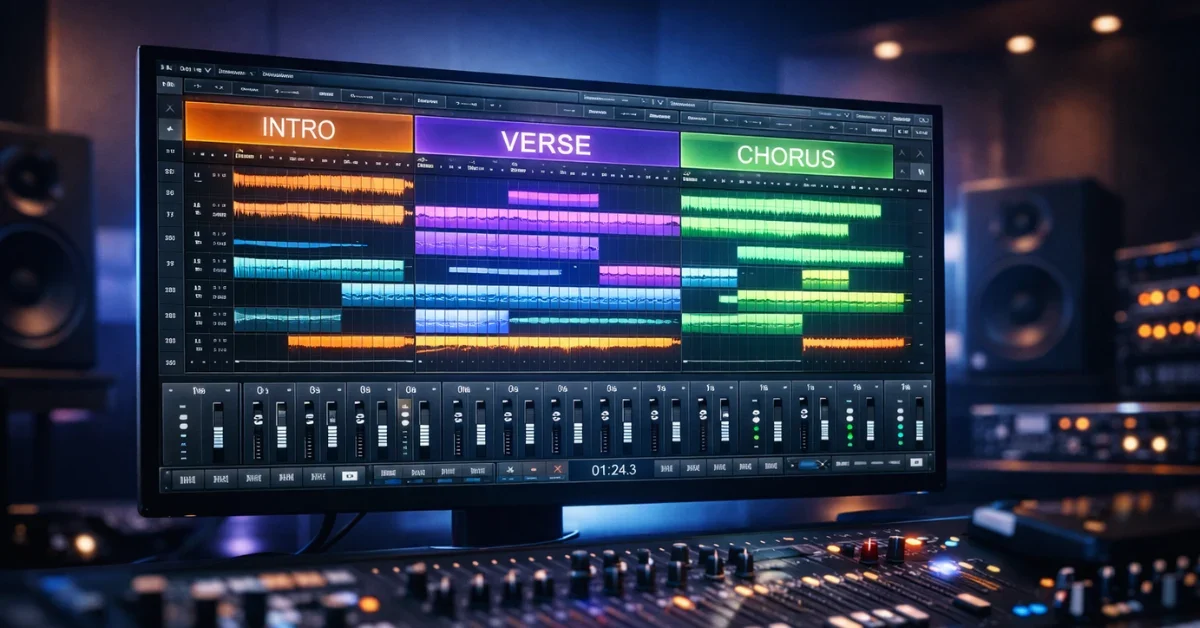
With Google Lyria 3 Pro, the company aims to offer unparalleled creative control to everyday Gemini users and professional developers. The AI music generation platform possesses a deeper understanding of musical composition. This allows users to prompt the model for specific song elements, such as intros, verses, choruses, and bridges. The tool is highly effective for experimenting with diverse styles and crafting complex audio transitions that feel entirely natural.
Beyond text prompts, the model supports multimodal inputs to spark inspiration. Users can type detailed descriptions of a genre, mood, memory, or inside joke to produce customized lyrics and instrumental audio. Individuals can also upload photos and videos directly into the platform. Gemini then analyzes the visual content and automatically composes a complementary track with lyrics that perfectly match the underlying mood of the media.
Expanding Access Across Google Platforms
To ensure high-quality music production is widely accessible, Google is rolling out the model across its core products. Paid subscribers of the Gemini app are among the first to gain access. This allows creators to easily design personalized soundtracks for tutorial videos, podcasts, and daily vlogs directly within their existing workflows.
The technology is also making its way to Google Vids, an AI-powered video editing app available to Workspace customers and AI Pro and Ultra subscribers. Furthermore, the model is seamlessly integrated into ProducerAI, a generative music production tool Google acquired last month. ProducerAI helps songwriters at all skill levels iterate on comprehensive songs and is available globally to both free and paid users.
For enterprise clients, the platform is currently available in public preview on Vertex AI. This integration helps businesses scale high-fidelity audio production on demand, making it easier to generate bespoke soundtracks for gaming and creative platforms. Developers building new applications can also harness the model through the Gemini API and Google AI Studio, where it sits alongside the real-time version of the software.
Training Data and Artist Collaborations
Google trained its newest audio model using permissible data from YouTube, specific partner agreements, and legally cleared content. The company maintains that the system is strictly designed to avoid mimicking any existing artist. If a user names a famous creator in a prompt, the system takes broad inspiration from their style rather than copying their distinct voice or intellectual property.
To ensure the technology serves human expression responsibly, Google partnered closely with industry professionals through its Music AI Sandbox. Notable collaborations include Grammy-winning producer Yung Spielburg, who utilized the platform for the score of the short film “Dear Upstairs Neighbors.” Additionally, DJ and producer François K used the tool iteratively to develop an upcoming song release.
Industry Backlash and Ethical Guardrails
The rapid rise of AI-generated audio has sparked concern across the recording industry. Streaming platforms are increasingly flooded with mass-produced tracks, some of which are falsely attributed to real musicians. In a major development, Sony formally requested that Spotify remove over 135,000 artificial songs discovered to be impersonating actual recording artists. Synthetic music is also filling the void left by real bands that recently pulled their catalogs from Spotify.
In response to these challenges, streaming services are implementing protective measures. Spotify is actively testing a feature called Artist Profile Protection, allowing musicians to review tracks before they are publicly associated with their profiles. Meanwhile, the competing streaming service Deezer recently launched its own specialized tools designed to help platforms automatically identify synthetic audio.
To maintain safety and transparency, Google has implemented strict ethical guardrails. All audio outputs generated by the standard and Pro versions of the platform are permanently embedded with SynthID. This imperceptible digital watermark clearly denotes that artificial intelligence was used to create the track. The company also employs robust content filters to check generated audio against copyrighted material, ensuring users adhere to strict privacy and intellectual property guidelines.
