

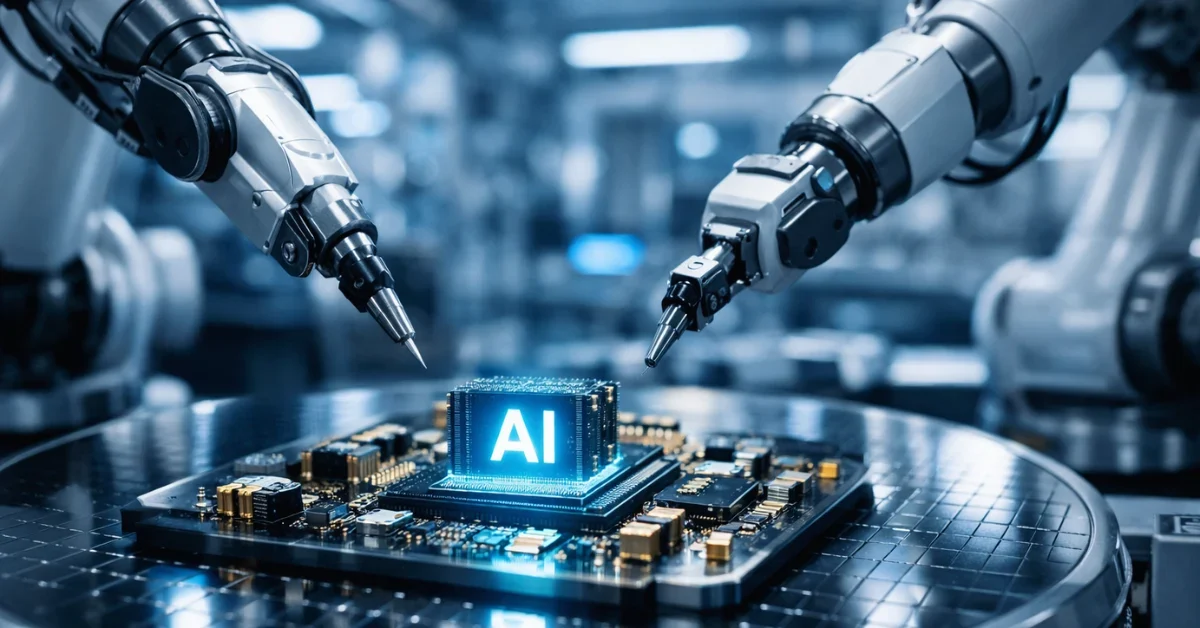
Nvidia is resuming the manufacturing of its Nvidia H200 chips for the Chinese market. Chief Executive Officer Jensen Huang confirmed at the GTC 2026 conference in San Jose, California, that the company secured necessary regulatory clearances from United States and Chinese officials. This development marks a major turning point after months of stalled shipments and regulatory uncertainty.
The technology giant has already received multiple purchase orders from regional clients. According to Huang, the current landscape represents a stark contrast to the situation just a few weeks prior. The reactivated supply chain enables the enterprise to re-engage with a vital demographic that historically generated one-fifth of its data center income. Before this update, Chief Financial Officer Colette Kress noted that the business had not yet generated revenue from these processors in the region.
Overcoming Regulatory Hurdles and Export Restrictions
The path to restarting production involved navigating strict trade policies. Last year, the Trump administration implemented stringent export licenses for advanced processors, causing the semiconductor company to incur a $5.5 billion financial charge. To comply, the business initially created a less powerful alternative known as the H20. However, the production of this substitute was suspended in late August following government interventions and local discouragement.
A breakthrough occurred in December 2025 when President Donald Trump authorized the distribution of the capable H200 models to Chinese buyers. This agreement mandates that the United States government receives twenty-five percent of the revenue generated from these transactions. Despite this initial agreement, mandatory security evaluations in both nations delayed the fulfillment of orders. These processors remain a generation behind the company’s most advanced graphics processing units used for training artificial intelligence models.
Strict Guidelines for International Distribution
While regulatory roadblocks are clearing, the company still faces rigorous operational constraints. The current agreement limits export volumes to fifty percent of domestic sales within the United States. Additionally, independent laboratory testing is required to authenticate every shipment before it can be exported to international clients.
Huang noted the current administration’s strategy aims to preserve American dominance in advanced technology while allowing domestic corporations to remain competitive. The overarching objective is to maintain a leadership position without unnecessarily surrendering profitable international territories to foreign competitors.
Major Tech Buyers and Changing Market Dynamics
Prominent technology conglomerates such as Tencent, Alibaba, and ByteDance received authorization from local authorities in January to acquire these advanced processors. Together, these entities are cleared to procure over 400,000 units. Earlier indications suggested that ByteDance and Alibaba were each preparing to secure upwards of 200,000 components.
The recent surge in local demand is partially attributed to a new wave of regional technology development, specifically surrounding an artificial intelligence platform known as OpenClaw. Industry analysts suggest that unwritten trade barriers may have been eased in anticipation of an upcoming diplomatic visit by President Trump. Prior to these shifts, Beijing actively encouraged local businesses to rely on domestic semiconductor manufacturers like Huawei Technologies.
Financial Outlook and Future Offerings
Even without recent contributions from this demographic, the corporation has maintained exceptional financial performance. During its most recent quarter, the enterprise posted a seventy-three percent increase in earnings, marking its eleventh consecutive period of growth exceeding fifty-five percent. Looking ahead, forecasts predict a seventy-seven percent expansion for the current quarter, entirely excluding potential data center profits from the region.
During the recent technology summit, the chief executive projected that revenue from core processor lines, specifically the Blackwell and Rubin systems, will surpass one trillion dollars by 2027. This estimate focuses strictly on flagship systems, indicating further growth potential from storage solutions and alternative processing units. Nvidia had previously slowed Hopper-class manufacturing to focus on newer Blackwell technology before reopening these assembly lines.
Potential Expansion with New Inference Processors
In addition to the current hardware lineup, reports indicate a specialized regional variant of Grok’s inference processing unit may soon be introduced. Following its integration late last year, this new hardware should maintain performance levels comparable to existing versions, avoiding downgrades seen in previous localized alternatives. These upcoming units are slated for manufacturing at Samsung Electronics Foundry.
Industry Perspectives on Artificial Intelligence
Beyond hardware announcements, the company leadership addressed broader industry narratives. Huang cautioned against promoting fear-based, science-fiction scenarios regarding machine learning technologies. Emphasizing the necessity of these innovations in vital fields like cybersecurity, he urged the industry to maintain humility and avoid arrogant predictions about automated systems. These comments followed Anthropic’s recent establishment of boundaries regarding government applications of artificial intelligence.
