

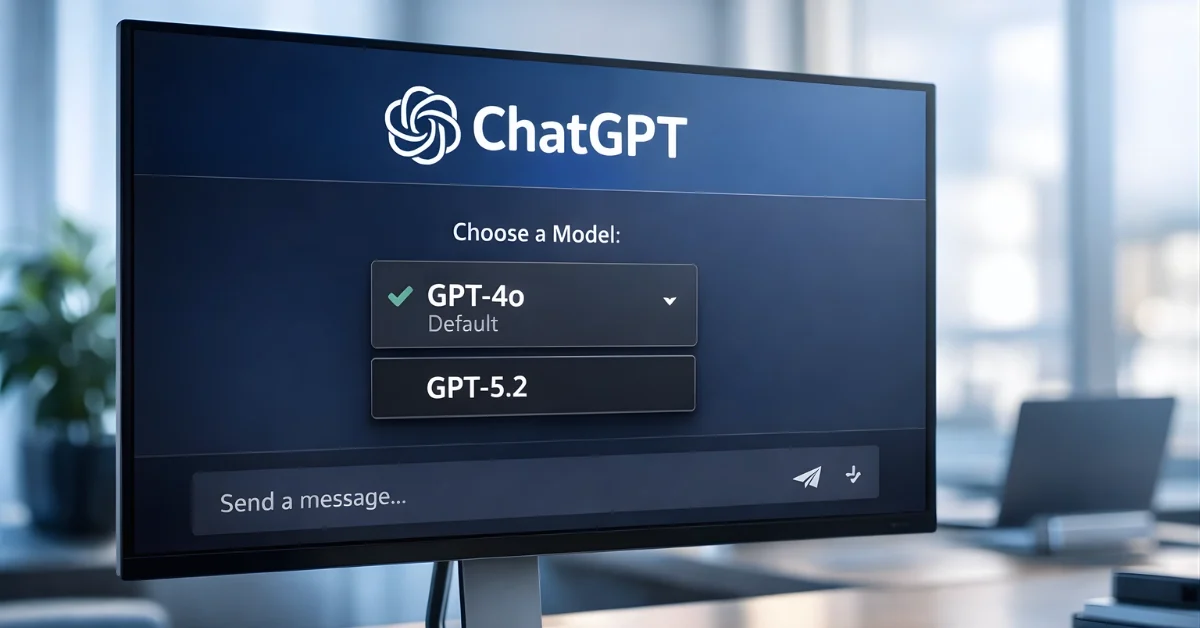
OpenAI announced it will retire multiple models from ChatGPT on February 13, 2026, including the widely-used GPT-4o alongside GPT-4.1, GPT-4.1 mini, and OpenAI o4-mini. The retirement also includes GPT-5 in its Instant and Thinking variants, which was previously announced. The company emphasized that these changes apply only to ChatGPT, while the models will remain accessible through the OpenAI API with no immediate plans for removal from that platform.
The decision to retire GPT-4o comes after a complex journey for the model. OpenAI initially deprecated GPT-4o but later restored access following feedback from Plus and Pro subscribers. Users expressed they needed additional time to transition their workflows, particularly for creative ideation tasks, and specifically highlighted their preference for GPT-4o’s conversational style and warmth compared to newer alternatives.
User Feedback Shapes Latest Models
The feedback OpenAI received about GPT-4o directly influenced the development of GPT-5.1 and GPT-5.2. According to the company, these newer models incorporate improvements to personality traits, stronger support for creative ideation, and expanded customization options for how ChatGPT responds to users. The platform now offers base styles and tones including options like Friendly, along with controls for adjusting warmth and enthusiasm levels.
OpenAI stated its goal is providing users with greater control and customization over how ChatGPT feels to use, not merely what tasks it can perform. The company is proceeding with the retirement because these improvements are now implemented and usage patterns have shifted dramatically. Currently, only 0.1 percent of users select GPT-4o each day, with the vast majority having transitioned to GPT-5.2.
What Happens After Retirement
After February 13, 2026, existing conversations and projects using the retired models will remain unchanged until that date. Following the retirement, all conversations will automatically default to GPT-5.2 for future interactions. Users can continue previous chats using other available models after the cutoff date.
For custom GPTs built by users, existing conversations will remain unaffected until the retirement date. On February 13, the default model for these GPTs will automatically update to GPT-5.2, and all new messages will utilize the updated model.
Voice and Image Features Unaffected
ChatGPT Voice and ChatGPT Images will not change as part of this update. Although these features use similar base models as GPT-4o, they are ultimately different models from the text-based GPT-4o being retired. Users can continue accessing these capabilities without interruption.
Broader Platform Improvements
OpenAI acknowledged the company is continuing to improve ChatGPT across areas users have identified as needing work. This includes further enhancements to personality and creativity, along with addressing issues like unnecessary refusals and overly cautious or preachy responses. The company indicated updates addressing these concerns are coming soon.
The organization is also making progress toward developing a version of ChatGPT designed specifically for adults over 18, grounded in treating adults like adults and expanding user choice and freedom within appropriate safeguards. To support this direction, OpenAI has rolled out age prediction for users under 18 in most markets.
Company Acknowledges User Frustration
OpenAI recognized that losing access to GPT-4o will feel frustrating for some users and stated the decision was not made lightly. The company emphasized that retiring models is never easy but allows the organization to focus resources on improving the models that most people actually use today.
The announcement was made well in advance to give users time to prepare for the transition. OpenAI stressed its commitment to transparency about changes and timelines, promising to always be clear about what is changing and when those changes will take effect.
The retirement represents OpenAI’s strategy to streamline its model offerings while incorporating user preferences into newer versions. By consolidating around GPT-5.2 and its variants, the company aims to deliver a more refined experience that balances the conversational qualities users appreciated in GPT-4o with enhanced capabilities and customization options.
