

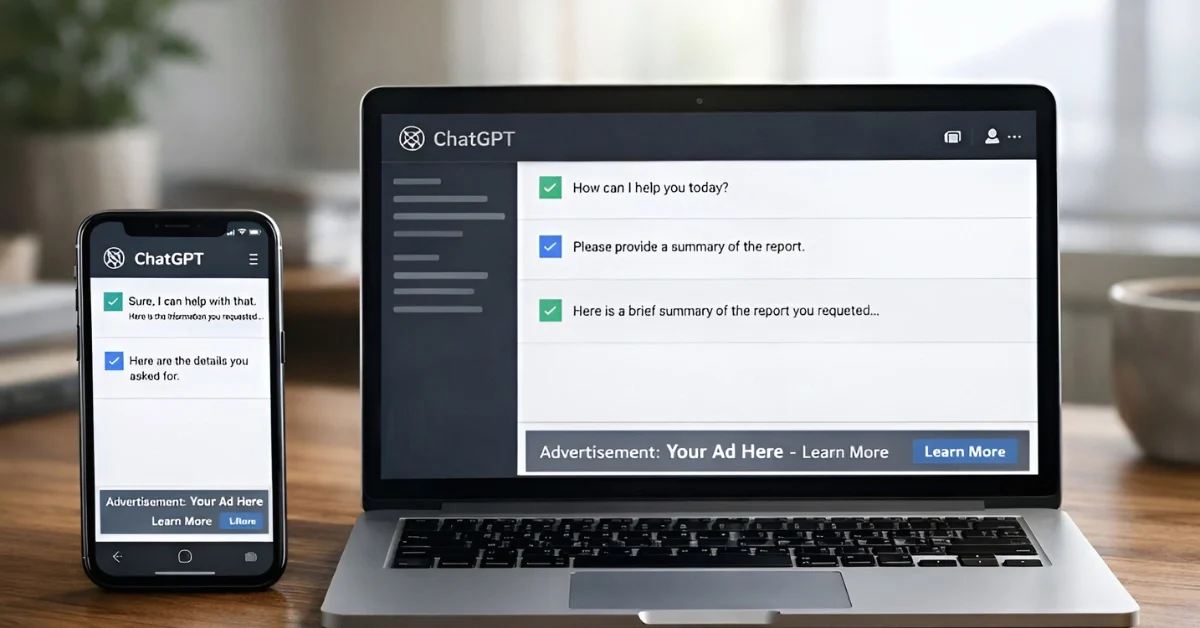
OpenAI has announced significant changes to how it monetizes its popular artificial intelligence platform, ChatGPT. The company revealed plans to begin testing advertisements in the United States, marking a major shift in its business model. These tests will apply to users on the free version of the service as well as subscribers to a new, lower-cost tier called “ChatGPT Go.”
The move represents OpenAI’s latest effort to balance revenue generation with its mission of making artificial intelligence widely accessible. While the introduction of ads may change the user experience for some, the company has outlined strict privacy guidelines and user controls intended to preserve trust.
A New Low-Cost Subscription Option
Alongside the ad announcement, OpenAI is expanding its subscription offerings. The company is bringing its “ChatGPT Go” tier to the U.S. market. This subscription option has been available in 171 other countries since August and is designed to be a more affordable alternative to the existing premium plans.
Priced at $8 USD per month, ChatGPT Go offers users expanded capabilities compared to the free version. Subscribers to this tier gain access to enhanced features, including:
- Unlimited messaging
- Image creation tools
- File uploads
- Memory capabilities
OpenAI stated that the introduction of this tier is part of a broader strategy to provide powerful AI tools to a wider audience. However, unlike the higher-priced subscriptions, the Go tier will eventually include advertisements as part of the testing phase.
How Ads Will Appear in ChatGPT
According to OpenAI, the upcoming ad tests will initially be limited to logged-in adults in the U.S. The company plans to roll out these tests in the “coming weeks.”
For users concerned about intrusive marketing, OpenAI has clarified how these advertisements will be presented. Ads are scheduled to appear at the bottom of ChatGPT’s answers rather than interrupting the flow of conversation. They will be displayed only when there is a relevant sponsored product or service that aligns with the user’s current topic of discussion.
The company emphasized transparency in this process. All advertisements will be clearly labeled and distinguished from organic responses generated by the AI. Additionally, users will have the option to dismiss specific ads and provide feedback on why they did so.
Looking ahead, OpenAI hinted at more interactive ad formats. The company described a future where conversational interfaces allow users to engage directly with advertisements. For example, a user might see an ad and be able to ask follow-up questions to help make a purchase decision, moving beyond static text or links.
Privacy and User Control
Addressing potential privacy concerns, OpenAI released a set of principles guiding its advertising approach. A core pillar of this strategy is “answer independence,” meaning that advertisers will not influence the content of ChatGPT’s generated responses. Answers will remain optimized for helpfulness rather than commercial interests.
The company also provided specific guarantees regarding user data:
- Conversation Privacy: Personal conversations with ChatGPT will not be shared with advertisers.
- Data Protection: OpenAI stated it will never sell user data to advertising partners.
- User Control: Users will have the ability to turn off ad personalization and clear data used for advertising purposes at any time.
Safety measures are also being implemented to protect vulnerable users. The company will not display ads to accounts where the user is known or predicted to be under 18 years of age. Furthermore, advertisements will be restricted from appearing alongside sensitive or regulated topics, such as health, mental health, and politics.
Why OpenAI is Introducing Advertising
OpenAI framed the introduction of ads as a necessary step to support its broader mission. The company stated that a diverse revenue model, which includes advertising, helps make advanced intelligence accessible to everyone, regardless of their ability to pay for premium subscriptions.
The company also highlighted the potential benefits for small businesses and emerging brands. By leveraging AI tools, these smaller entities could create high-quality experiences that help users discover products they might otherwise miss.
It is important to note that ads will not appear for all users. Subscriptions to OpenAI’s higher tiers—including Pro, Business, and Enterprise plans—will remain ad-free. The testing phase is intended to allow OpenAI to gather feedback and refine the system, ensuring that the integration of ads does not compromise the utility or trust that users place in the platform.
