

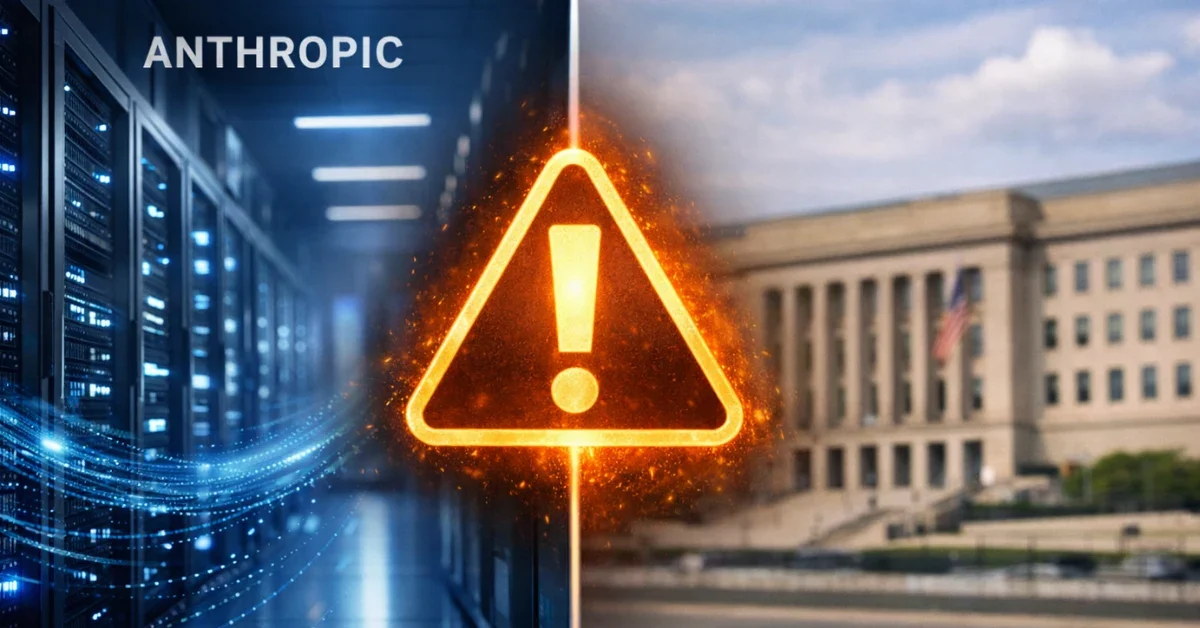
The Department of Defense is considering designating artificial intelligence company Anthropic as a “supply chain risk,” escalating a dispute over how the company’s technology can be used in military operations. The conflict centers on Anthropic’s refusal to modify its terms of service to allow the unrestricted use of its AI models for surveillance and weapons-related tasks.
Defense officials have reportedly drafted a memo outlining the potential designation, which would effectively bar the military and defense contractors from using Anthropic’s products, including its popular chatbot, Claude. This move highlights a growing tension between Silicon Valley AI developers and the U.S. national security establishment regarding the ethical application of advanced artificial intelligence in warfare.
Dispute Over Usage Policies
The core of the disagreement lies in Anthropic’s “Acceptable Use Policy.” The San Francisco-based company explicitly prohibits the use of its technology for activities it deems harmful, including weapons development, target identification, and mass surveillance. While Anthropic allows its AI to be used for certain government tasks like intelligence analysis and logistics, it maintains strict guardrails against lethal or offensive applications.
Pentagon officials argue these restrictions are incompatible with their operational needs. They contend that the Defense Department requires unconditional access to AI tools to maintain a strategic advantage, particularly as rivals like China accelerate their own military AI integration. Defense sources indicate that the military cannot rely on software that might refuse commands or limit functionality during critical operations due to ethical programming.
Potential Impact on Defense Contracts
If the Pentagon proceeds with the “supply chain risk” label, the consequences for Anthropic could be significant. The designation would place the company on a list of vendors deemed insecure or unreliable, prohibiting the Department of Defense from purchasing its services directly. Furthermore, it would force prime defense contractors to strip Anthropic’s technology from their own systems to remain compliant with federal regulations.
This action would effectively cut Anthropic out of the lucrative defense market, which has become a major revenue source for other tech giants. The move could also serve as a warning to other AI companies attempting to balance commercial success with ethical restrictions on military use. Reports suggest that while Anthropic has been in talks with defense officials to find a compromise, the company has so far refused to waive its safety protocols for the military.
Broader Industry Tensions
The standoff with Anthropic reflects a wider “culture clash” between the values of some technology firms and the requirements of the national security sector. The Pentagon has increasingly sought partnerships with private tech companies to modernize its capabilities. However, officials have expressed frustration with what they perceive as “woke” corporate policies that hinder national defense efforts.
Other major AI developers have taken different approaches. Some have modified their terms to accommodate military contracts, removing specific prohibitions on “military and warfare” use to secure government deals. Anthropic, which positions itself as a safety-focused AI lab, appears to be drawing a harder line. The potential blacklisting suggests the Pentagon is willing to use its purchasing power to pressure companies into aligning with its operational standards.
