

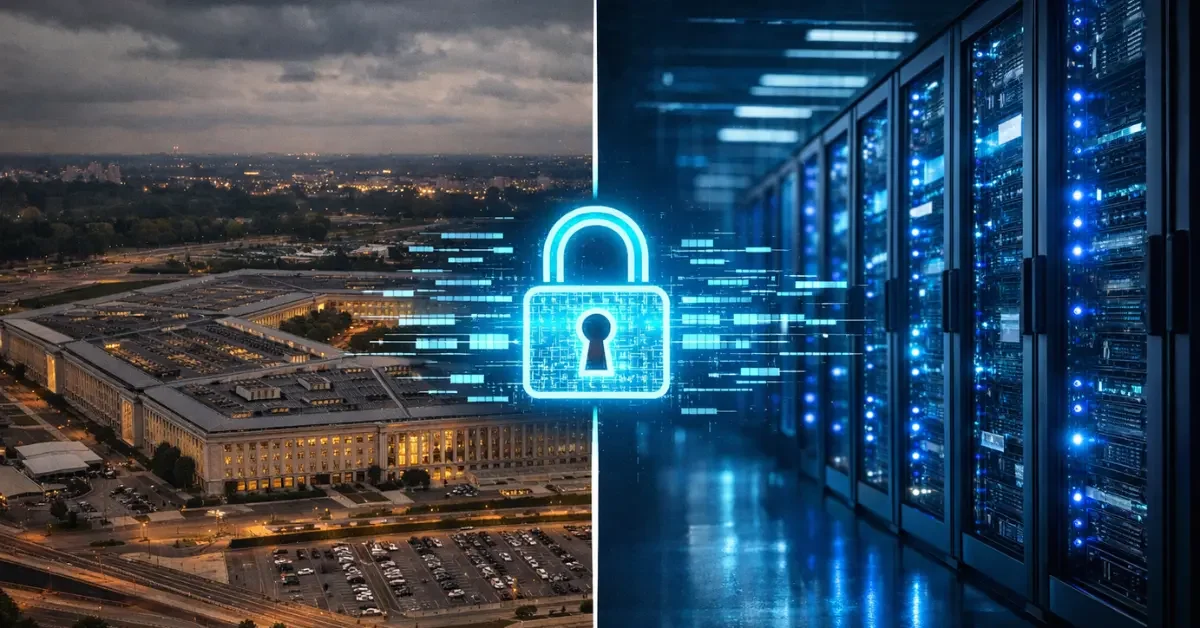
The United States Department of Defense is threatening to cut ties with Anthropic, a leading artificial intelligence company, due to a dispute over safety restrictions. Reports indicate that Defense Secretary Pete Hegseth is considering designating the San Francisco-based startup as a “supply chain risk.” This designation would effectively ban the military from using Anthropic’s technology, including its popular Claude AI models.
The conflict centers on Anthropic’s strict refusal to relax its safety guidelines for military use. The company’s “Acceptable Use Policy” explicitly prohibits the use of its AI for specific activities, including weapons development, surveillance, and cyberattacks. While the Pentagon seeks to integrate advanced artificial intelligence into its operations, officials argue that these restrictions hinder their ability to utilize the technology fully for national defense.
The Clash Over “Woke” AI Restrictions
The tension between the Pentagon and Anthropic highlights a growing divide between Silicon Valley’s ethical standards and the military’s operational needs. Defense officials have reportedly pressed Anthropic to grant waivers that would allow the military to bypass the company’s standard safety guardrails. The Pentagon wants “unfettered” access to the technology, arguing that limitations on AI usage could put the United States at a disadvantage compared to adversaries who do not adhere to similar ethical constraints.
Anthropic has stood firm on its policies. The company designs its systems to be “helpful, honest, and harmless,” and its leadership has refused to modify its terms of service to accommodate the request for unrestricted access. This refusal has frustrated Defense Department leadership, who view the limitations as an obstacle to modernizing America’s defense capabilities.
What a “Supply Chain Risk” Designation Means
Labeling a domestic company as a “supply chain risk” is a significant and rare move. This classification is typically reserved for foreign companies or entities that pose a cybersecurity threat to national networks. If the Pentagon moves forward with this designation, it would prohibit the Department of Defense from purchasing Anthropic’s software or services.
Such a ban would have immediate consequences. It would force military personnel to stop using Claude and would likely block Anthropic from securing lucrative future government contracts. The move could also impact major technology partners like Amazon and Google. Both tech giants have invested billions into Anthropic and host its models on their cloud platforms, which the government also utilizes.
Broader Implications for AI in Defense
This standoff comes at a time when the Pentagon is aggressively pushing to adopt commercial AI technology. Other major players in the industry appear to be taking a different approach. Reports suggest that competitors like OpenAI have become more comfortable working with the Defense Department, moving away from previous bans on “military and warfare” applications in their own policies.
The situation with Anthropic serves as a warning to other tech companies. It signals that the Defense Department under Secretary Hegseth is willing to take hardline measures against vendors that do not align with its requirements for unrestricted usage. As the military continues to integrate AI into classified networks and combat operations, the pressure on private companies to choose between their ethical charters and government contracts is likely to increase.
