

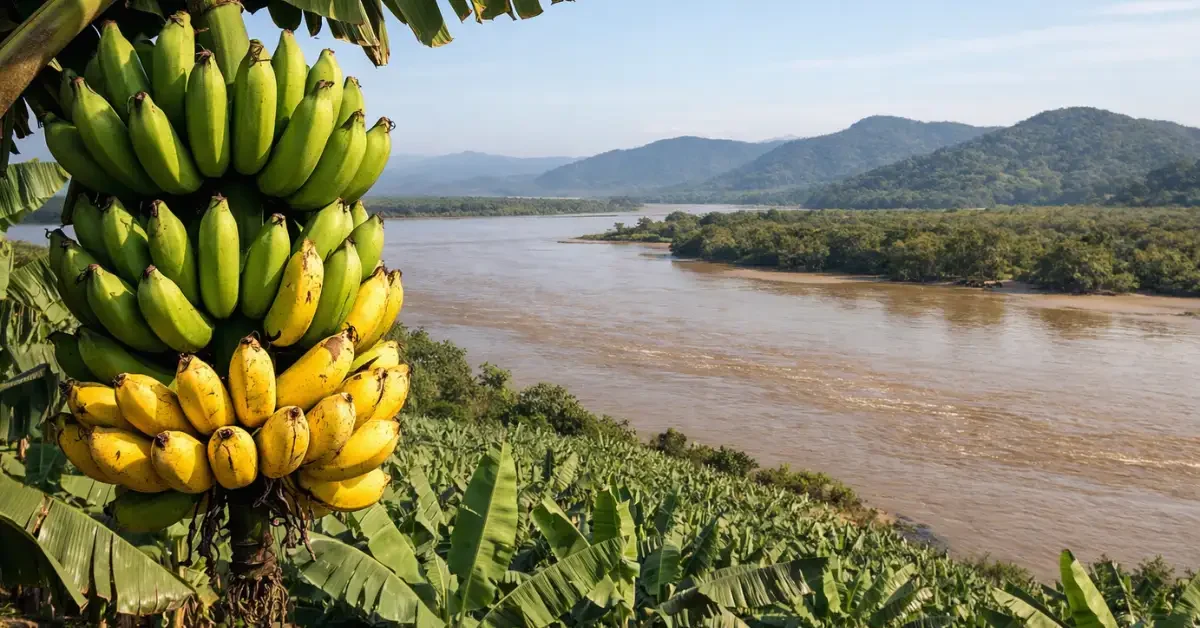
A decade after the catastrophic collapse of the Fundão tailings dam in Brazil, the environmental fallout continues to pose serious risks to food safety. New research reveals that bananas grown in the Rio Doce estuary, an area heavily impacted by the 2015 mining disaster, contain hazardous levels of heavy metals. The study highlights significant concentrations of lead, barium, and strontium in the fruit, raising urgent concerns for local communities who rely on these crops for their daily diet and economic livelihood.
The findings come from a comprehensive analysis conducted by scientists investigating the long-term agricultural effects of the toxic mud that flooded the region. While the disaster initially devastated the landscape and waterways, the persistence of contaminants in the soil has created a silent, ongoing crisis. The research indicates that the bioavailability of these metals is higher than previously understood, allowing them to be easily absorbed by plant roots and accumulated in the edible parts of the crops. This discovery challenges the assumption that the passage of time would naturally mitigate the toxicity of the spill.
Heavy Metals Accumulate in Common Crops
The study specifically focused on the interaction between the contaminated soil and common agricultural products. Among the crops tested, bananas showed a particularly high capacity for absorbing toxic elements. Barium and strontium were found in quantities that exceed safe consumption limits, while lead levels were also concerning. These metals are known to cause severe health issues over time, including kidney damage, bone defects, and neurological problems.
What makes this situation particularly alarming is the stealthy nature of the contamination. The affected bananas do not show visible signs of distress or toxicity; they appear healthy and ripe, indistinguishable from uncontaminated fruit. This invisibility makes it impossible for farmers or consumers to detect the danger without laboratory testing. The soil in the estuary, once fertile ground for diverse agriculture, now acts as a reservoir for the mine tailings, continuously feeding pollutants into the food chain.
The Legacy of the Samarco Dam Collapse
The root of this agricultural crisis lies in the failure of the Fundão dam in Mariana, Minas Gerais, on November 5, 2015. Controlled by Samarco—a joint venture between mining giants Vale and BHP—the dam released millions of cubic meters of iron ore waste. The resulting mudslide killed 19 people, destroyed entire villages, and polluted 670 kilometers of the Rio Doce river system all the way to the Atlantic Ocean. It remains one of Brazil’s worst environmental disasters.
In the years following the tragedy, cleanup efforts have struggled to address the sheer scale of the pollution. The river carried the toxic sludge downstream, depositing it along banks and into the estuary where farming is a primary activity. The new study serves as a grim reminder that the ecological footprint of such disasters extends far beyond the immediate aftermath. The heavy metals trapped in the sediment are not static; they are chemically active and mobile, posing a threat that could persist for decades.
Health Risks for Local Communities
For the residents living near the Rio Doce estuary, the study’s conclusions are distressing. Many families grow their own food or purchase locally sourced produce, meaning their exposure to these heavy metals is chronic and cumulative. Children and the elderly are especially vulnerable to the effects of heavy metal poisoning. The presence of lead, even in small amounts, is notoriously harmful to cognitive development in children.
Researchers are calling for immediate and continued monitoring of agricultural products from the region. The study suggests that current safety measures may be insufficient to protect public health. Recommendations include stricter testing protocols for crops grown in affected zones and potentially restricting farming in the most heavily contaminated areas until soil remediation strategies can be effectively implemented.
Implications for Agricultural Recovery
The contamination of bananas creates a complex economic dilemma. Agriculture is a vital source of income for the Rio Doce communities, who have already suffered financial losses from the destruction of fisheries and tourism. If local crops are deemed unsafe, farmers face the loss of their primary livelihood. This economic pressure complicates the public health response, as banning local produce without providing alternatives could devastate the local economy further.
Moving forward, the scientific community emphasizes the need for remediation techniques that can extract or immobilize these heavy metals in the soil. Until such solutions are viable, the legacy of the Samarco mine disaster will continue to haunt the dinner tables of those living in the shadow of the Rio Doce. The contamination of a staple food like the banana underscores the deep, interconnected relationship between industrial mining activities and the fundamental safety of our food systems.
