

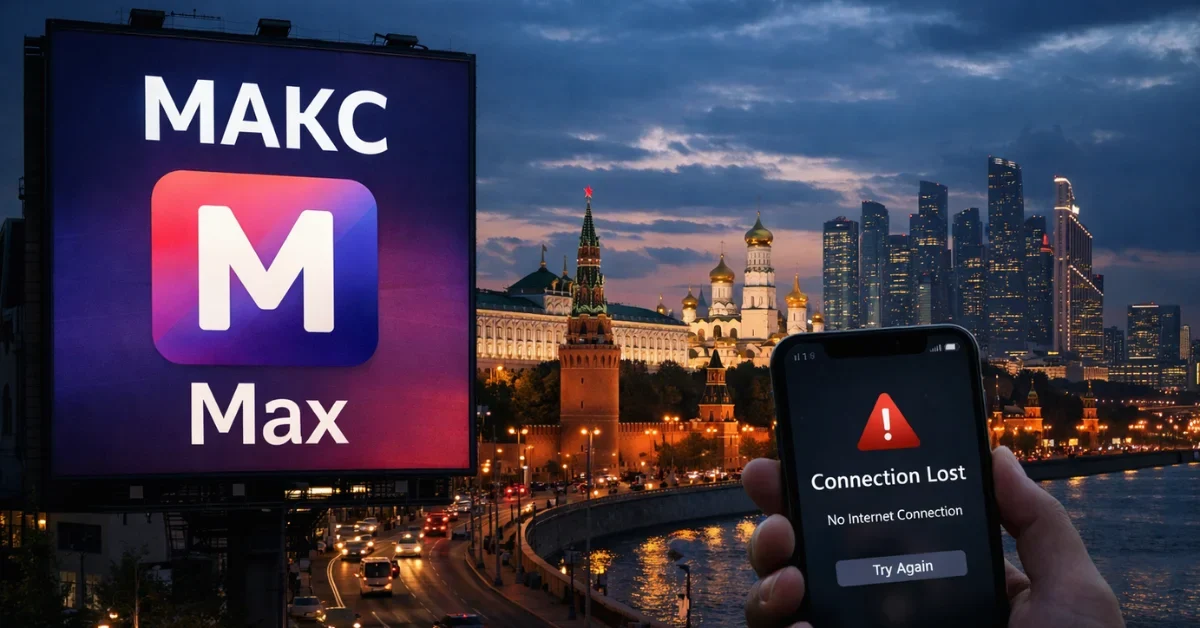
Russian authorities have officially confirmed a ban on the messaging platform WhatsApp, marking a significant escalation in the country’s control over digital communications. The move, which took effect around February 12, 2026, prevents citizens from accessing the Meta-owned application. In addition to WhatsApp, reports indicate that the video-sharing platform YouTube has also been blocked within the country. This sweeping social media clampdown coincides with the government’s aggressive promotion of a new state-backed alternative application known as “Max.”
The decision to block these major international platforms stems from compliance issues. According to official statements, the ban was instituted because WhatsApp “failed to abide by law.” This legal justification serves as the primary driver for the restriction, forcing millions of users to seek other methods of communication. The clampdown is being framed by observers as a pivotal moment in the ongoing regulation of the Russian internet, often referred to by international media as a digital curtain.
The Rise of the State-Backed ‘Max’ App
As access to WhatsApp and YouTube disappears, the Kremlin is actively pushing a domestic replacement. Identified as “Max,” this new application is being positioned as the primary state-backed alternative for Russian citizens. The government’s endorsement of Max appears to be a strategic effort to migrate the population away from foreign-owned tech giants and onto locally controlled infrastructure.
Details regarding Max highlight its role as a government-sanctioned successor to the banned western platforms. By directing users toward this state-backed option, authorities aim to centralize digital correspondence under a platform that presumably complies with the strict data laws that WhatsApp allegedly violated. The transition is expected to reshape the social media landscape in the region, with Max taking center stage alongside other surviving entities like Telegram.
Meta’s Response and the Status of Other Platforms
Meta, the parent company of WhatsApp, has acknowledged the disruption. Reports state that Meta has recognized Russia’s “attempt to block” the messaging service. This confirmation from the tech giant validates the reports of widespread outages and government-level interference affecting the app’s functionality across the country.
Interestingly, while WhatsApp and YouTube face strict prohibitions, there is conflicting information regarding other Meta properties. Despite the general crackdown on western social media, one report suggests that authorities have stated citizens “can use Facebook and Instagram.” This distinction stands out amidst the broader restrictions, suggesting a nuanced or perhaps targeted approach to the bans, prioritizing messaging and video distribution channels over other forms of social networking.
Context of the Clampdown
This digital restructuring is occurring against a backdrop of intense geopolitical tension. The ban is deeply intertwined with the broader context of President Vladimir Putin’s administration and the ongoing war in Ukraine. Sources link the timing of the WhatsApp and YouTube blocks to the conflict, suggesting that control over information and communication channels remains a critical priority for the leadership during this period.
The inclusion of Telegram in reports suggests it remains a relevant player in this shifting environment, though the spotlight is firmly on the state’s promotion of Max. The “social media clampdown” represents a consolidated effort to redefine how Russian citizens connect, share information, and consume media, moving them decisively away from non-compliant international services.
