

Record-Breaking First Quarter Financials
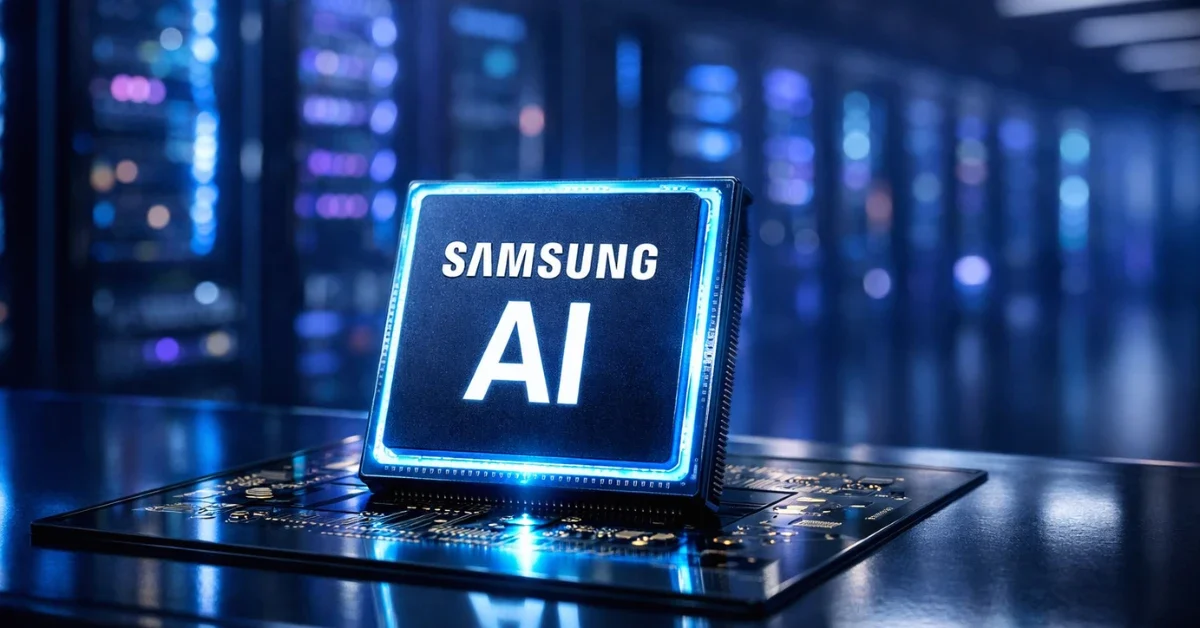
Samsung Electronics has projected a massive surge in its Samsung Q1 profit, driven by the global boom in artificial intelligence infrastructure. On Tuesday, the world’s largest memory chipmaker provided its first-quarter earnings guidance, estimating an operating profit of 57.2 trillion won for the January to March period. This preliminary figure, equivalent to approximately $37.92 billion, represents a staggering increase from the 6.69 trillion won reported during the exact same period one year earlier. In percentage terms, this indicates that the company’s operating profit jumped by 755 percent year-over-year.
The results highlight an extraordinary financial performance that dramatically outpaces market expectations for Samsung Q1 profit. The estimated 57.2 trillion won operating profit significantly beats the LSEG SmartEstimate of 40.6 trillion won. Furthermore, this single-quarter projection is anticipated to exceed the company’s entire operating profit for the previous year. The new benchmark nearly triples Samsung’s prior quarterly profit record of 20 trillion won, achieved in the fourth quarter of last year.
Alongside the profit surge, Samsung anticipates substantial revenue growth, expecting first-quarter revenue to increase by 68 percent to 133 trillion won. Following the announcement, shares of Samsung jumped 5 percent in pre-market trading as investors reacted to the guidance, described by analysts as a super surprise that outpaces consensus.
AI Data Center Boom and Semiconductor Dominance
The primary driving force behind this historic quarter is the explosive demand for high-bandwidth memory chips used in artificial intelligence accelerators. As cloud customers boost orders to build artificial intelligence infrastructure, the memory market is experiencing severe shortages. This surging demand has created significant supply bottlenecks, heavily impacting the availability of traditional chips utilized in everyday consumer electronics like personal computers, smartphones, and gaming consoles.
Because of these widespread supply constraints, semiconductor prices have skyrocketed. The tightened supply led to a near-doubling of memory chip prices in the first quarter alone. To capitalize on this highly profitable environment, Samsung is shifting its production capacity increasingly toward high-bandwidth memory solutions specifically tailored for artificial intelligence applications.
The financial impact on internal divisions is heavily skewed. Analyst Kim estimated that Samsung’s semiconductor division alone produced an operating profit of 54 trillion won, accounting for 95 percent of the overall profit. Looking ahead, financial institutions remain highly optimistic. Citigroup forecasts that Samsung’s annual operating profit will reach 310 trillion won for 2026, citing sustained demand for artificial intelligence inference.
Mobile Division Performance and Looming Headwinds
While the semiconductor division generated the vast majority of the company’s earnings, Samsung’s mobile division also remained profitable during the quarter. Operating as the second-largest smartphone maker globally behind Apple, the mobile unit reported an estimated profit of 4 trillion won. During the first quarter, the smartphone sector benefited primarily from the utilization of low-cost component inventories.
However, the outlook for the mobile division and the broader company involves several emerging challenges. Profit margins in the mobile sector are expected to face mounting pressure in the coming quarters due to the rapidly rising costs of memory chips and other essential materials.
Additionally, macroeconomic and geopolitical factors are creating uncertainty. The escalation of energy prices, following the onset of a U.S.-Israeli conflict with Iran, has raised alarms in the technology sector. These tensions have sparked concerns regarding potential disruptions in the supply of essential materials required for chipmaking, which could hinder future growth for semiconductor manufacturers. There are also concerns that these conflicts could dampen hardware spending and lead to diminishing demand from artificial intelligence data centers, though early trading showed investors temporarily shaking off these fears.
Conflicting Forecasts on Future Chip Pricing
Disagreement on Second-Quarter DRAM Price Increases
While it is definitively clear that memory prices are rising rapidly, industry analysts disagree on the exact trajectory of contract prices for the upcoming months. Specifically, there is a discrepancy regarding exactly how much dynamic random access memory (DRAM) prices will increase in the second quarter.
According to the research firm TrendForce, contract prices for DRAM chips are expected to rise by more than 50 percent in the current quarter due to the ongoing shortage. In contrast, according to information reported by Ground AI and Citigroup, contract DRAM prices are reportedly being negotiated at a more conservative increase of more than 30 percent for the second quarter.
Despite this disagreement on the exact percentage increase, both forecasts underscore a continued upward trend in memory pricing as the artificial intelligence data center boom continues to strain global semiconductor supplies.
