

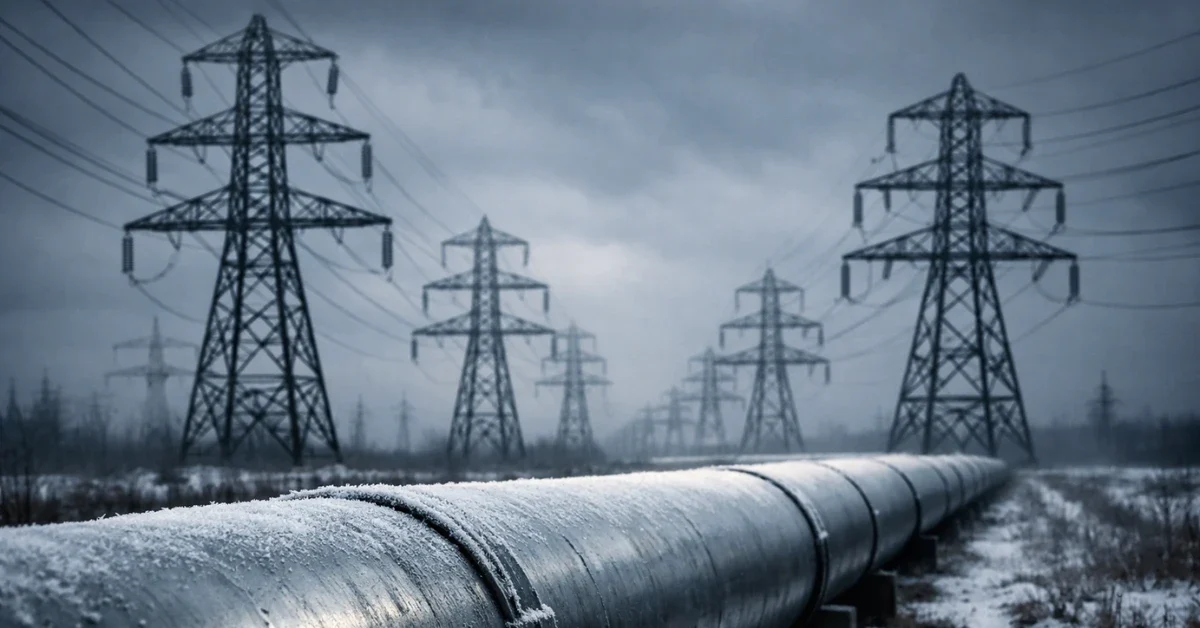
Slovak Prime Minister Robert Fico has issued a strict two-day ultimatum to Ukraine, threatening to cut off critical emergency electricity supplies unless Kyiv immediately resumes the transit of Russian oil to Slovakia. The severe warning, issued on Saturday, escalates a growing energy dispute between the neighboring European nations. For nearly a month, the flow of Russian crude oil through the Soviet-era Druzhba pipeline traversing Ukrainian territory has been completely suspended.
Slovakia and Hungary are currently the only two European Union member states that continue to rely heavily on Russian oil imports delivered through this pipeline system. Both countries have maintained closer diplomatic relations with Moscow compared to the broader pro-Ukrainian stance held by most of Europe. With the sudden interruption in oil transit, Slovak and Hungarian leaders have grown increasingly vocal, demanding that Ukraine take immediate action to restore the supply chain.
The Ultimatum and Conflicting Pipeline Claims
The disruption of the Druzhba pipeline began on January 27. According to Ukrainian officials, the pipeline infrastructure located in Western Ukraine sustained damage from a Russian drone strike. However, the governments of Slovakia and Hungary have sharply disputed this narrative, accusing Kyiv of deliberately delaying the necessary repairs for political leverage.
Prime Minister Fico directed his demands directly at Ukrainian President Volodymyr Zelenskyy through statements posted on social media. Fico warned that if the oil transit is not fully restored by Monday, he will officially instruct SEPS, Slovakia’s state-owned electricity transmission system operator, to halt all emergency power exports to Ukraine. He expressed frustration with Ukraine’s actions, claiming that Zelenskyy is behaving maliciously toward Slovakia simply because the Slovak government advocates for a peace-oriented approach and refuses to support the ongoing war.
Highlighting his grievances, Fico stated that international relations cannot function as a one-way street that only benefits Ukraine. He drew a parallel to the international response regarding the sabotage of the Nord Stream gas pipeline, suggesting that Slovakia should not be expected to tolerate the current pipeline disruption silently. Furthermore, Fico noted that his government took the radical step of declaring a national state of emergency in the oil sector on February 19, an order that allowed the release of state reserves and will remain in effect until September 30.
Critical Impacts on Ukraine’s Energy Grid
A disruption in Slovakian electricity exports would deal a massive blow to Ukraine’s already fragile power infrastructure. Since October of last year, Russia has intensified its drone and missile bombardments specifically targeting Ukrainian energy facilities. These relentless assaults have severely compromised the national grid, forcing millions of Ukrainian citizens to endure prolonged, freezing blackouts during the harsh winter months.
To keep the lights on and maintain basic heating, Ukraine has been forced to import record-high levels of electricity from the European Union. Energy sector analysts and Ukraine’s state grid operator, Ukrenergo, indicate that Slovakia alone accounted for approximately 17 to 18 percent of Ukraine’s total electricity imports last month. Losing this vital supply line could trigger an unprecedented energy crisis for the war-torn country.
In response to the mounting pressure, Ukrainian officials have formally proposed alternative methods for transporting oil to Europe while emergency pipeline repairs continue. According to a letter submitted by the Ukrainian mission to the European Union, Kyiv suggested utilizing different segments of its oil transportation network or shifting to a maritime route. This proposed alternative could involve the Odesa-Brody pipeline, which links Ukraine’s primary Black Sea port directly to the European Union. The letter emphasized Ukraine’s ongoing willingness to facilitate oil transportation within the established legal frameworks.
Hungary Joins the Threat Against Kyiv
Slovakia is not acting alone in this escalating standoff. The Hungarian government has mirrored Slovakia’s aggressive stance, accusing Ukraine of political blackmail and deliberately stalling the resumption of fuel supplies. Hungarian Foreign Minister Péter Szijjártó publicly condemned Kyiv’s actions, and earlier in the week, Hungary announced a complete cessation of its diesel exports to Ukraine. Hungary has also threatened to cut off its own electricity and natural gas exports to its eastern neighbor.
To further amplify the pressure, Hungary announced it will block a planned 90 billion euro emergency financial loan for Ukraine as direct retaliation for the pipeline dispute. Prime Minister Fico quickly confirmed that Slovakia would also reject the proposed loan package, stating that he considers the refusal to be an absolutely correct decision. Despite these harsh economic threats from Budapest, a recent report from the Center for the Study of Democracy noted that Hungary actually has readily available alternative sources and does not strictly need Russian oil to meet its domestic energy demands.
