

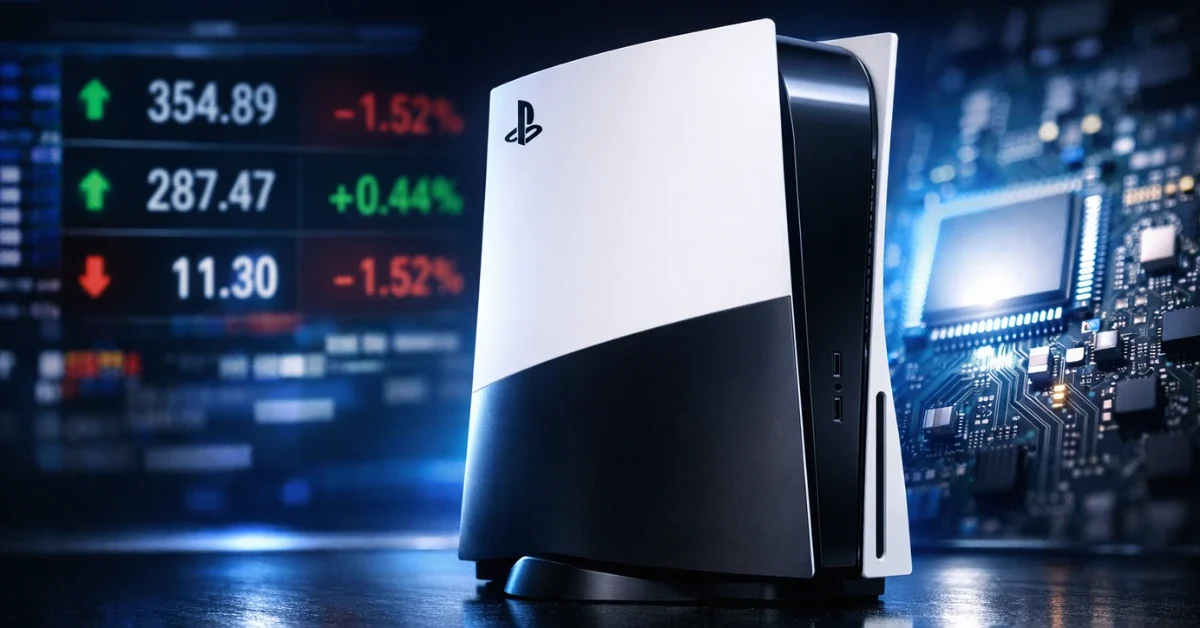
Gamers looking to purchase a current-generation console will soon have to pay significantly more. A massive PS5 price increase is officially set to hit shelves on April 2, 2026. Sony Interactive Entertainment confirmed that the cost of its entire PlayStation 5 hardware lineup, including the standard edition, the digital edition, the premium Pro model, and the PlayStation Portal remote player, will rise globally.
This latest PS5 price increase represents a sharp jump for consumers. In the United States, base models will cost an additional $100, while the high-end Pro version will see a steep $150 bump. The sudden markup arrives amidst severe supply chain issues, specifically a massive global shortage in memory chips that is heavily impacting the broader technology and gaming industries.
New PlayStation Console Prices in the United States
For buyers in the United States, the upcoming price adjustments drastically alter the cost of entry for PlayStation gaming. The standard disc-based PlayStation 5 will jump from its previous price of $549.99 to $649.99. Meanwhile, the disc-free PlayStation 5 Digital Edition will climb from $499.99 to $599.99.
The most substantial price shock affects the enthusiast-tier console. The PlayStation 5 Pro, which previously retailed for $749.99, will now set buyers back $899.99. Additionally, the handheld PlayStation Portal remote player is not immune to these changes. The streaming device will go from $199.99 up to $249.99. Because these updated costs do not take effect until the start of April, any existing inventory currently sitting on store shelves can technically still be purchased at the older rates. This looming deadline could potentially spark a short-term rush of demand from bargain-hunting gamers and resellers alike.
Global Impact Across the UK, Europe, and Japan
The pricing overhaul is a worldwide mandate, affecting all major gaming markets. Consumers in the United Kingdom, Europe, and Japan will also experience notable leaps in retail costs.
In the United Kingdom, the standard console will retail for £569.99, the Digital Edition for £519.99, and the Pro model for £789.99. The Portal device will reach £219.99.
Across Europe, gamers will see the base console hit €649.99, while the Digital Edition will climb to €599.99. The top-tier Pro edition will launch up to €899.99, alongside a €249.99 price tag for the Portal.
Japan faces similarly steep increases. The standard hardware will now cost ¥97,980, with the digital counterpart rising to ¥89,980. The flagship Pro machine will top out at ¥137,980, and the handheld Portal will ask ¥39,980.
What is Causing the Sudden Cost Surge?
In a recent corporate blog post, Sony attributed the drastic pricing shifts to ongoing challenges within the global economic climate. Isabelle Tomatis, vice president of global marketing at Sony Interactive Entertainment, stated that the company thoroughly evaluated the situation and concluded that charging more was a necessary step to maintain the delivery of innovative, high-quality gaming experiences.
However, industry trends point to a more specific root cause: an escalating memory chip crisis. Memory manufacturing giants are currently facing extreme pressure. Micron recently noted during an earnings call that market demand is drastically exceeding available supply for the foreseeable future. Another major supplier, SK Hynix, projects that these severe memory constraints could persist until the end of the decade in 2030. Other market researchers suggest the shortages might not ease until late 2027.
This component scarcity is causing widespread disruption beyond just PlayStation hardware. Other major players in the gaming space are feeling the squeeze. Valve has reportedly altered plans for its Steam Machine hardware due to limited availability and ballooning expenses, while Nintendo leadership has acknowledged that they are carefully monitoring the volatile memory market.
A History of Console Price Adjustments
Raising the retail cost of a gaming console midway through its lifecycle is historically uncommon, yet it is becoming a recurring theme for the current generation of hardware. This upcoming April shift is not the first time consumers have been asked to pay more for existing PlayStation technology.
In August 2025, the manufacturer enacted a $50 price hike on console hardware within the United States, pointing to a difficult economic environment at the time. Before that, in 2022, the company rolled out a similar pricing surge across various global territories—excluding the United States—citing high worldwide inflation rates.
With component costs showing no signs of stabilization, these repeated financial adjustments raise questions about the future affordability of interactive entertainment. For now, prospective buyers have a rapidly closing window to secure a system before the new, higher baseline takes permanent effect this April.
