

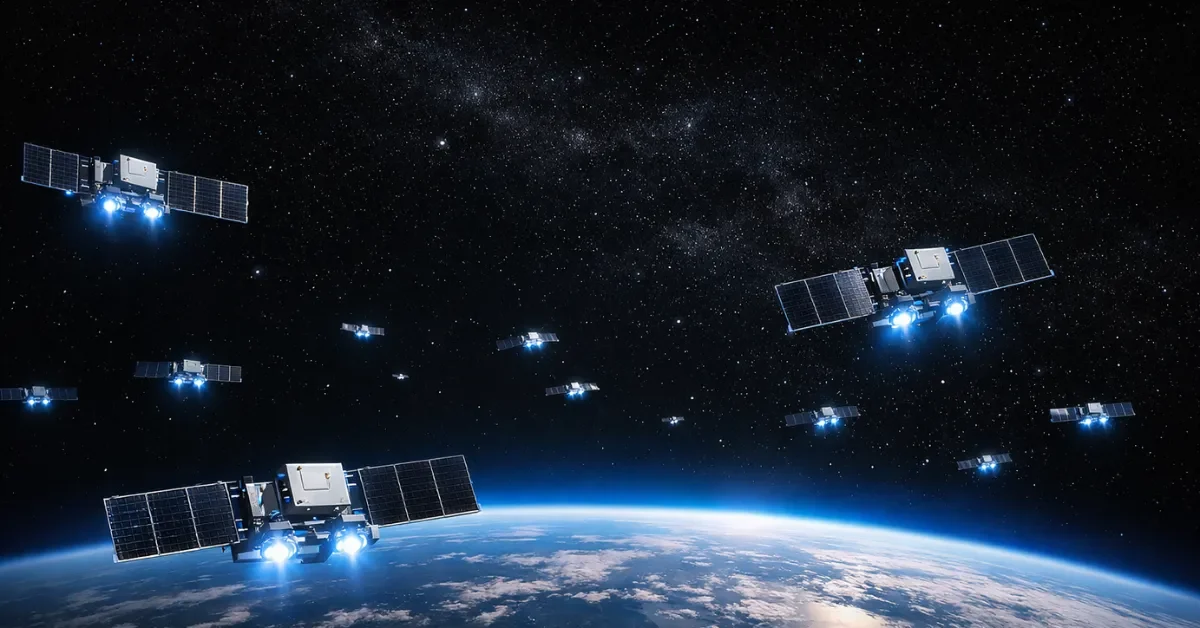
SpaceX is initiating a massive relocation of its internet constellation in 2026, systematically lowering the orbits of approximately 4,400 SpaceX Starlink satellites. This operational shift is designed to improve space safety, minimize the growing threat of orbital collisions, and clear out space debris more efficiently as Low Earth Orbit becomes progressively crowded.
The strategic maneuver will transition roughly half of the active SpaceX Starlink satellites from an operating altitude of about 342 miles (550 kilometers) down to roughly 298 miles (480 kilometers) above Earth. According to Michael Nicolls, the vice president of Starlink engineering at the company, the descent will unfold gradually over the course of the year. The move highlights a proactive approach by the aerospace firm to maintain a sustainable environment in space amid a rapid increase in global satellite deployments.
Why SpaceX is Adjusting the Operating Altitude
The decision to lower the operating band of these spacecraft is heavily influenced by changing space weather conditions. Solar activity operates on an 11-year cycle, and the sun is currently trending toward a phase known as the solar minimum, expected to arrive around 2030. During a solar minimum, the Earth’s upper atmosphere cools and condenses, which decreases atmospheric density.
In low Earth orbit, reduced atmospheric density means there is less frictional drag pulling on spacecraft. As a result, satellites that fail or become uncontrollable take significantly longer to naturally decay and burn up in the atmosphere. Nicolls noted that a defunct satellite left at an altitude of 342 miles during a solar minimum could remain in orbit for more than four years. By bringing the operational altitude down to 298 miles, SpaceX ensures that any failing hardware will deorbit and burn up within just a few months, greatly reducing long-term hazards.
Currently, only two fully failed Starlink spacecraft remain in orbit out of a fleet that numbers nearly 10,000 satellites. The company is actively coordinating the massive lowering campaign with United States regulators and other spacecraft operators to prevent any space traffic conflicts during the transition.
Recent Anomalies and Near-Misses in Space
The orbit adjustment follows a pair of alarming incidents in December 2025, which drew increased attention to the safety risks posed by giant satellite constellations. First, a Starlink satellite experienced a severe anomaly while flying at an altitude of about 260 miles (418 kilometers). The spacecraft lost communications and suddenly dropped about four kilometers in altitude. The event released a small amount of trackable debris, suggesting an onboard explosion had occurred before the satellite ultimately burned up.
During that same month, SpaceX reported a severe near-miss involving foreign spacecraft. Nine Chinese satellites passed within 650 feet of a Starlink satellite. Nicolls described the encounter as dangerously close, highlighting the urgent need for better orbital traffic management.
These incidents underscore a broader hazard surrounding space debris. The European Space Agency estimates there are currently around 1.2 million pieces of space debris ranging from 0.4 to 4 inches in size circling the planet. Because these fragments travel at speeds around 17,000 miles per hour, even a tiny piece of debris carries the potential to inflict catastrophic damage on active satellites or crewed space missions.
Escaping the Crowded Zones of Low Earth Orbit
Earth’s orbit has never been busier, and the congestion is expected to worsen. The region between 311 miles (500 kilometers) and 373 miles (600 kilometers) is becoming exceptionally crowded. SpaceX is currently the largest operator in this space, providing wireless internet to over 150 countries. However, other major tech entities and nations are actively building their own massive networks. China, for instance, is planning two separate low Earth orbit internet constellations that will each contain more than 10,000 satellites. Amazon is also rapidly expanding its own satellite network.
By lowering the altitude of thousands of satellites to 298 miles, the company is migrating away from this heavily trafficked corridor. Nicolls pointed out that the volume of space debris and the number of planned satellite constellations are significantly lower below the 311-mile mark. Moving the fleet to this quieter region reduces the aggregate likelihood of a collision.
The adjustment will also help the company mitigate risks that are difficult to control, such as uncoordinated maneuvers and surprise launches by rival satellite operators. Furthermore, SpaceX founder Elon Musk noted that dropping the satellites to a lower altitude will carry a secondary benefit, allowing the network to serve a higher density of internet customers on the ground.
Ultimately, this altitude shift represents a critical step in managing the physical real estate of space. As the global space race accelerates and thousands of new spacecraft take flight, avoiding catastrophic collisions will require constant adjustment and proactive orbital management.
