

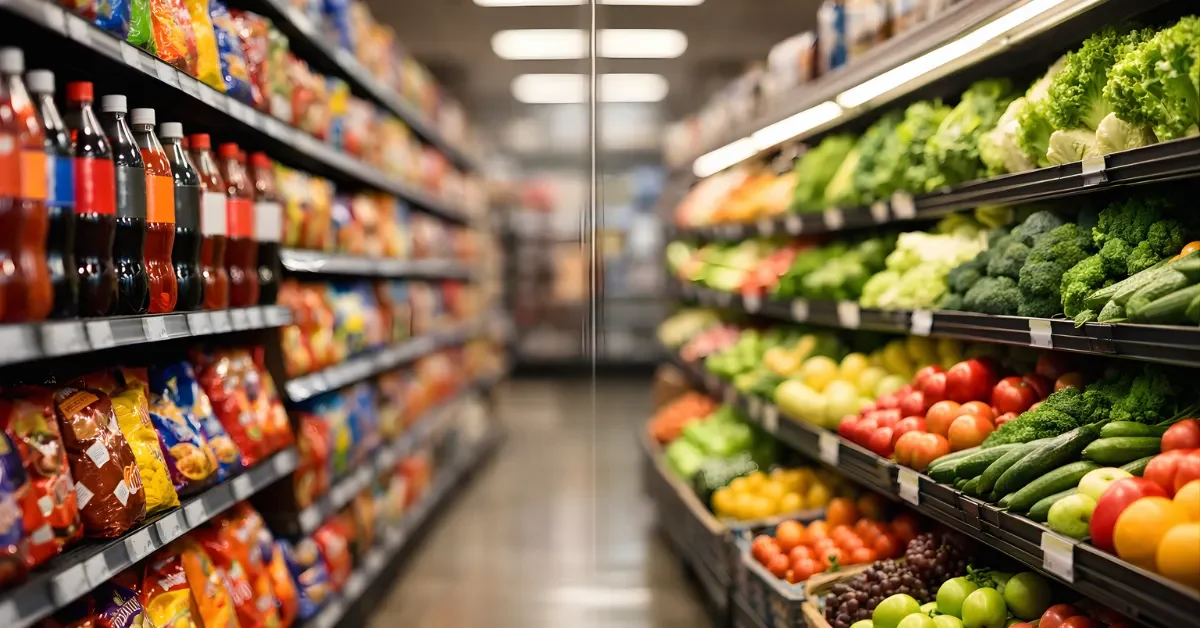
Ultra-processed foods are increasingly replacing traditional diets around the world, and researchers behind a three-part Lancet series are calling for stronger government action to curb health harms. They argue that marketing limits, clearer warning labels, and taxes on some ultra-processed products should be considered as consumption grows and chronic diseases rise.
In the Lancet series, an international group of 43 experts reviewed evidence linking diets high in ultra-processed foods (UPFs) with higher risks of multiple chronic conditions, while also outlining policy options to reduce production, marketing, and consumption. The researchers also say corporate strategies—from aggressive advertising to political lobbying—are a key driver of rising UPF consumption, not simply individual choice.
What counts as ultra-processed food
The Sydney University summary of the Lancet series describes UPFs as convenience foods such as chips, sweets, and ready meals that are made from processed ingredients and additives and often contain high levels of sugar, salt, and saturated fat, with limited nutritional value. A separate explainer article published on ScienceAlert describes UPFs as products engineered from industrial ingredients and cosmetic additives, typically with few or no intact ingredients, and lists examples including soft drinks, chips, and many breakfast cereals.
Researchers involved in the Lancet series say UPFs are displacing long-established dietary patterns and worsening overall diet quality. MedicalXpress, summarizing the Lancet papers, also reports that the authors say UPF consumption is increasing globally and is already more than half of all calories eaten in the United States, Australia, and the UK.
Evidence and health risks highlighted
One Lancet paper reviewed scientific evidence and reported associations between higher UPF intake and an increased risk of multiple chronic diet-related diseases. MedicalXpress says the authors reviewed 104 prior studies and reported links between diets high in UPFs and higher risk of diseases including obesity, diabetes, heart problems, and early death.
ScienceAlert reports that, in the researchers’ systematic review of 104 long-term studies, 92 studies reported greater associated risks of one or more chronic diseases. ScienceAlert also reports that meta-analyses in the research found associations with conditions including obesity, type 2 diabetes, high blood pressure, high cholesterol, cardiovascular disease, chronic kidney disease, Crohn’s disease, depression, and early death from all causes.
The researchers note that much of the existing evidence is observational, meaning it cannot directly prove cause and effect. MedicalXpress also reports that the precise mechanism for how UPFs may contribute to such a wide range of health problems remains unclear, with proposed explanations including higher calorie density, combinations of fat and sugar that may drive overeating, softer textures that allow faster consumption, and the possible role of additives.
Debate over definitions and “healthy” exceptions
Some scientists have criticized the Nova classification system—developed by Brazilian epidemiologist Carlos Monteiro—arguing that the term “ultra-processed” can be vague and that more research is needed. MedicalXpress reports that this debate includes concerns that Nova does not account for nutrients widely seen as unhealthy, such as fat, salt, and sugar.
Because of those limitations, MedicalXpress says some foods traditionally seen as healthy—such as some plant-based milks, fake meat products, and some breads and canned vegetables—can fall into the ultra-processed category. The same report says the researchers welcomed “valid scientific criticisms” of Nova and called for future work to isolate the specific effects of ultra-processing in foods such as flavored and plain yogurts.
Even with these uncertainties, the Lancet authors argue that the risks are serious enough to justify action now rather than waiting for perfect evidence. ScienceAlert similarly states that while more research is needed, the researchers believe the evidence is strong enough to justify a global public health response.
Policy actions the researchers want governments to consider
The Lancet series lays out a mix of regulatory and public-health approaches to reduce UPF exposure and shift diets toward fresher options. The Sydney University summary says proposals include restricting UPF marketing directed at children, placing front-of-pack warning labels on products, and removing UPFs from hospitals and schools.
ScienceAlert describes policy options that include mandatory front-of-pack warning labels, stronger protections for children under 18 from UPF marketing (especially on digital platforms), and taxes on sugary drinks “by at least 20%” and selected ultra-processed foods, with revenue used to subsidize fruits, vegetables, and freshly prepared meals for lower-income households. MedicalXpress also reports that the researchers called for warning labels, marketing restrictions—particularly for ads aimed at children—and taxes on certain UPFs, with funds used to make fresh food more affordable for low-income households.
The Sydney University summary highlights Brazil as an example, saying the government has eliminated most UPFs from schools and will require 90 percent of food to be fresh or minimally processed. The same summary also says the Lancet authors argue policies should ensure healthy, whole, and minimally processed foods are accessible and affordable for everyone.
Corporate influence and calls to “stand up to corporate power”
A central claim in the Lancet series is that global corporations are driving the spread of UPFs through business strategies, marketing, and policy influence. The Sydney University summary says experts pointed to tactics such as lobbying politicians, coordinating hundreds of interest groups worldwide, making political donations, and engaging in litigation to delay policies.
MedicalXpress reports that eight UPF manufacturers—Nestlé, PepsiCo, Unilever, Coca-Cola, Danone, Fomento Economico Mexicano, Mondelez, and Kraft Heinz—accounted for 42% of the sector’s $1.5 trillion in assets in 2021, according to the paper. The Sydney University summary separately states that global annual sales of UPFs top $1.9 trillion, and quotes Lancet series co-lead Dr Phillip Baker saying large food companies profit by replacing fresh and minimally processed diets with unhealthy UPFs.
In comments reported by MedicalXpress, Chris van Tulleken—co-author of the second paper and author of “Ultra-Processed People”—said critics of UPF research often have ties to the food industry, and Phillip Baker accused the UPF industry of attempting to “manufacture scientific doubt.” The Sydney University summary says the researchers argue for a strong public health response that safeguards policy decisions from political lobbying and builds coalitions advocating for healthier food systems.
