

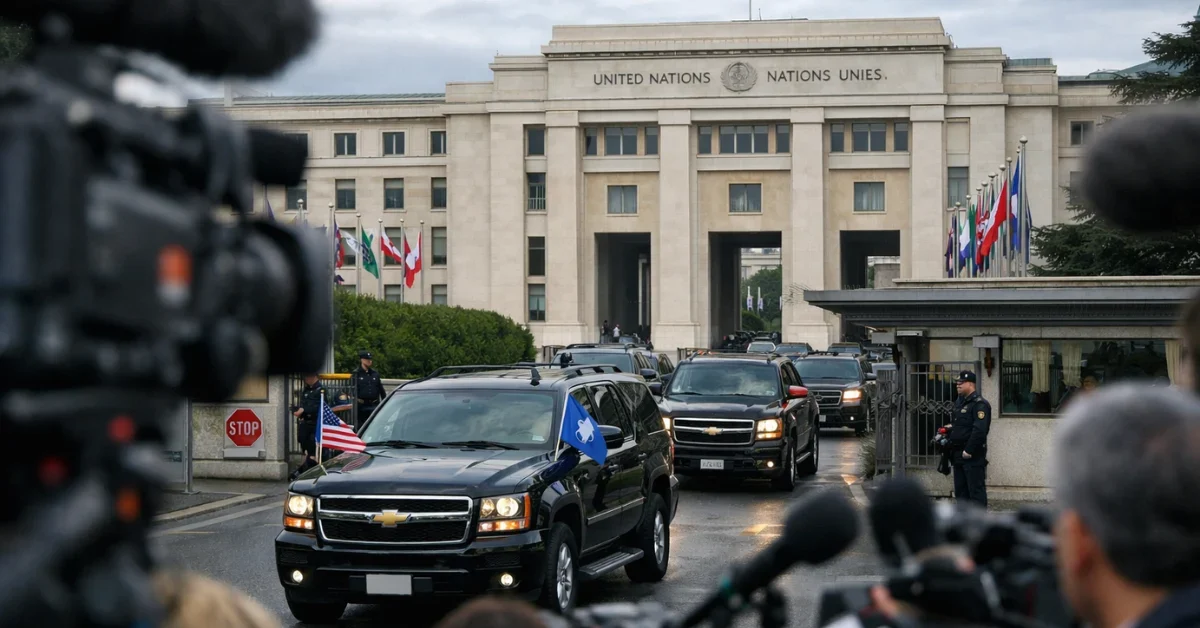
Diplomats from the United States and Iran have concluded a critical round of high-stakes nuclear negotiations in Geneva, with Iranian officials reporting a significant breakthrough. Following days of intense discussions, both sides have reportedly agreed on “guiding principles” for a potential new deal. The development marks a rare moment of optimism in a relationship that has been deteriorating rapidly, with the threat of conflict looming large over the Middle East.
This latest diplomatic engagement, described as the second round of renewed nuclear talks, took place under heavy security in Switzerland. The primary goal was to establish a framework that could de-escalate tensions and prevent the standoff from spiraling into open war. While a final agreement remains distant, the consensus on foundational principles suggests that both Washington and Tehran are looking for an off-ramp from the current crisis.
Breaking the Deadlock in Geneva
The talks in Geneva were characterized by urgency. Sources close to the negotiations indicate that the “guiding principles” agreed upon cover the broad strokes of a future accord. These likely include a roadmap for verified nuclear restrictions in exchange for specific economic relief measures. The announcement from Iranian officials that a baseline understanding has been reached is a pivot from previous months, where rhetoric between the two nations had become increasingly bellicose.
For the international community, the mere fact that these delegations are talking—and agreeing on anything—is a victory. The atmosphere leading up to this week was tense, with military analysts warning that the window for a diplomatic solution was closing. By establishing these guiding principles, negotiators have effectively bought time for more detailed, technical discussions to take place without the immediate threat of military action derailing the process.
Trump Administration’s Indirect Approach
President Donald Trump, now in the second year of his second term, has taken a distinct approach to these negotiations. Unlike the direct summits he favored with other world leaders in the past, the President stated he would be involved “indirectly” in these specific talks. This strategy allows the administration to maintain pressure while keeping the door open for diplomacy through intermediaries and working-level officials.
The “indirect” involvement likely means that while U.S. negotiators are present in Geneva, the final sign-off on any major concession comes directly from the Oval Office, without the President needing to be physically present at the table. This distance gives the U.S. flexibility to walk away if terms aren’t met, a hallmark of the Trump negotiation style. It also signals to Tehran that while Washington is willing to deal, it is not desperate for an agreement at any cost.
High Stakes and the Threat of War
The context of these meetings cannot be overstated. Reports leading into the Geneva summit highlighted that the threat of war was “looming” more ominously than at any point in recent years. Intelligence assessments have pointed to rapid advancements in Iran’s nuclear program, pushing the region to a tipping point. Israel and other regional allies have been watching closely, signaling their readiness to act if diplomacy fails.
The “threat of war” headline from major news agencies underscores the binary nature of the current situation: either a diplomatic framework is established, or military confrontation becomes the likely alternative. This pressure cooker environment likely contributed to the willingness of both sides to agree on the guiding principles. The cost of failure in Geneva would have been an immediate escalation in hostilities.
The Role of the IAEA and Next Steps
The International Atomic Energy Agency (IAEA) continues to play a central role in these developments. Any deal built on the principles agreed to in Geneva will require rigorous monitoring. IAEA officials were present on the sidelines of the talks to offer technical advice on how new restrictions could be verified. The agency’s involvement ensures that any political agreement has a technical backbone that can withstand scrutiny.
Moving forward, the focus will shift from “guiding principles” to the gritty details of implementation. Negotiators will need to translate broad agreements into specific, enforceable clauses. This “second round” was about building the foundation; the next rounds will determine if a structure can be built upon it. While the path ahead is fraught with potential pitfalls, the outcome in Geneva offers the first tangible hope of stabilization in 2026.
