

MUSCAT — Fears of a wider regional war may be subsiding after the United States and Iran concluded a round of indirect negotiations in Oman on Friday. Both sides described the high-stakes dialogue as a positive step toward de-escalation. Iranian Foreign Minister Abbas Araghchi characterized the meeting as a “good start,” while U.S. President Donald Trump hailed the discussions as “very good,” signaling that further negotiations are expected as early as next week.
The talks in Muscat, the capital of Oman, marked the first significant diplomatic engagement between the two adversaries since the United States joined Israel’s war against Iran in June. That conflict, a brief but intense 12-day engagement, included U.S. strikes on Iranian nuclear facilities. Friday’s discussions aimed to establish a framework for reducing tensions that have kept the Middle East on edge for months.
A “Solid Foundation” for Diplomacy
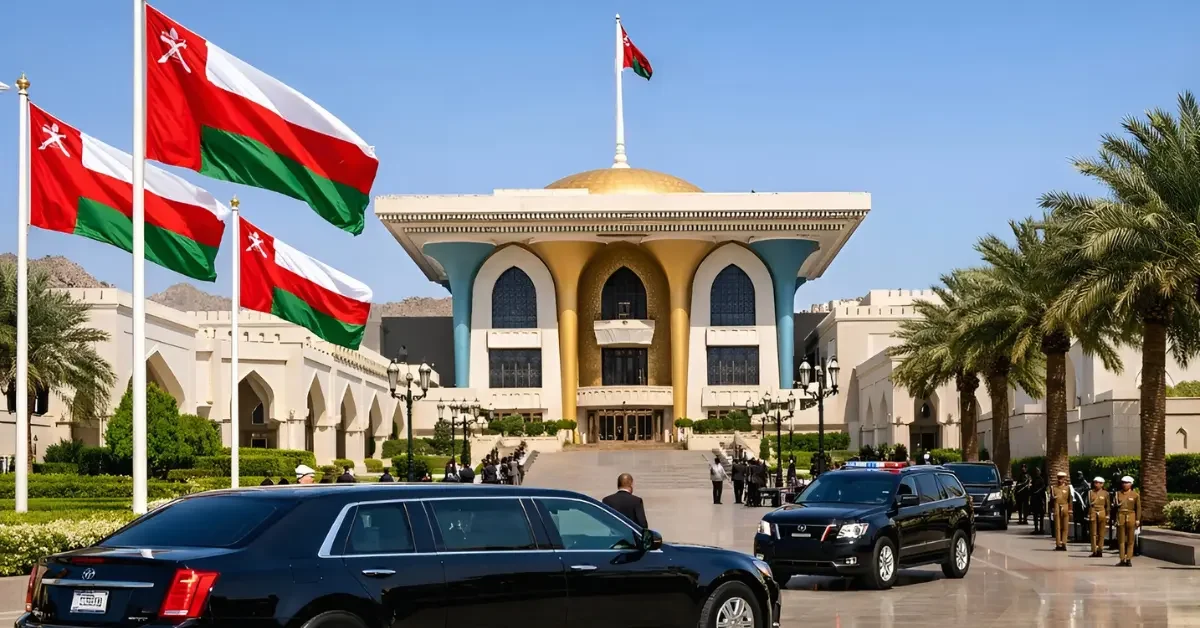
Because the United States and Iran do not have direct diplomatic relations, the negotiations were conducted indirectly. Officials from Oman, led by Foreign Minister Badr al-Busaidi, shuttled messages between the Iranian and American delegations, who sat in separate rooms at a palace on the outskirts of Muscat.
Speaking to Iranian state television after eight hours of negotiations, Foreign Minister Araghchi expressed cautious optimism. He noted that the discussions began with a “solid foundation” and a “promising start.” According to Araghchi, the parties reached an understanding to continue the dialogue, though specific decisions on how to proceed will require further consultations in Tehran and Washington.
“If this process continues, I think we will reach a good framework for an understanding,” Araghchi said. However, he acknowledged that deep suspicion remains a significant hurdle. “The mistrust that has developed is a serious challenge facing the negotiations,” he added. “We must first address this issue, and then enter into the next level of negotiations.”
A senior Iranian diplomat confirmed to news agencies that the talks ended with an agreement to pursue additional discussions. The diplomat noted that both sides were able to articulate their perspectives and requests in a “constructive environment.”
Trump Sees Potential, Warns of Consequences
In Washington, reaction to the talks was similarly positive but came with a stern warning. Speaking to reporters aboard Air Force One while en route to Florida, President Donald Trump stated that his administration had “very good talks” regarding Iran.
“We likewise had very good talks on Iran,” Trump said. “We’re going to meet again early next week.”
Despite the optimistic tone, President Trump made it clear that the pressure on Tehran remains high. He warned that if the Iranian government fails to reach an agreement, “the consequences are very steep.”
The Omani Foreign Ministry released a statement confirming that the consultations focused on creating suitable conditions to revive diplomatic and technical negotiations. Oman emphasized that both parties showed a determination to ensure success in achieving sustainable security and stability.
Deep Rifts Over Meeting Agenda
While the initial atmosphere appears positive, significant disagreements over the scope of the talks persist. Washington aims to expand the negotiations to include restrictions on Iran’s ballistic missile program and its regional military activities.
Iran has firmly rejected this approach. The Iranian government asserts that it is only willing to negotiate on nuclear issues in exchange for lifting sanctions and reducing tensions. Tehran has declared that discussions regarding its missiles or other defense topics are a “red line” and non-negotiable.
Araghchi reiterated this stance on Friday, stating that the talks in Muscat “focused exclusively” on the Iranian nuclear program. He also emphasized that Iran demands an end to U.S. military threats.
Military Tensions and Public Anxiety
The diplomatic efforts in Oman are taking place against a backdrop of intense military buildup. The United States has positioned the USS Abraham Lincoln supercarrier, along with supporting vessels and aircraft, near Iranian waters. Additionally, the U.S. has enhanced air defenses at bases used by its forces across the region. Just this week, U.S. forces shot down an Iranian drone, further highlighting the volatile security situation.
Inside Iran, the public is watching the negotiations with a mix of hope and resignation. The country is grappling with one of the highest inflation rates in the world, and the economy has been battered by sanctions and the recent conflict.
Soroush, a resident of Tehran, expressed hope that the talks could dispel the looming threat of war. “Conflict not only brings fear and anxiety but also exacerbates economic pressures,” he said.
Others are less optimistic. Maryam, another Tehran resident, voiced her belief that the opposing stances of the two nations would eventually cause the talks to fail and “definitely lead to war.”
The domestic situation in Iran remains fragile following nationwide protests last month, which resulted in the unprecedented loss of thousands of lives. For some, like Amir in the capital, the current hardships feel as damaging as open conflict. “War is not a favorable outcome, but the circumstances we currently face are, in many respects, more severe than war itself,” he remarked.
As officials return to their capitals for consultations, the region remains in a precarious state, waiting to see if the “good start” in Oman can translate into a lasting peace.
