

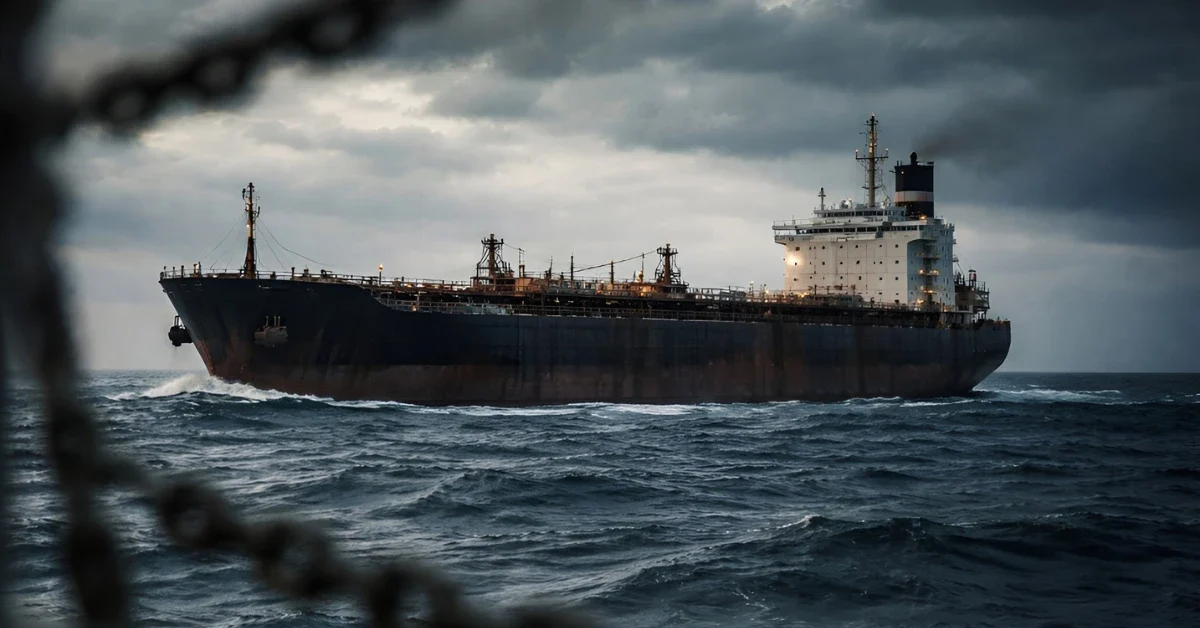
The United States government has announced a sweeping new set of sanctions aimed at disrupting the illicit sale and transport of Iranian oil. On Friday, February 6, 2026, the Department of State and the Department of the Treasury designated 15 entities and identified 14 vessels associated with the trade. This latest action targets the so-called “shadow fleet,” a network of ships used to bypass international restrictions and export Iranian petroleum.
Officials stated that these measures are designed to cut off financial resources that the Iranian government uses to fund regional proxies and terrorist groups. The sanctions block any US-based assets belonging to the targeted companies and generally prohibit American citizens from doing business with them. This move comes immediately following a fresh round of diplomatic discussions, signaling that economic pressure will continue alongside diplomatic efforts.
Crackdown on the Shadow Fleet
The primary focus of this enforcement action is the “shadow fleet,” a collection of aging tankers that operate outside standard maritime regulations to obscure the origin of their cargo. According to the State Department, these vessels engage in deceptive practices to transport Iranian oil to international buyers.
The sanctions identify specific commercial entities involved in managing and operating these ships. The designated companies are based in several different jurisdictions, including the United Arab Emirates, Panama, the Seychelles, the Marshall Islands, and Malaysia. By targeting the commercial infrastructure supporting these vessels, the US aims to make it significantly harder for Iran to move its oil products to market.
State Department authorities highlighted that the entities sanctioned on Friday have played a critical role in the shipment of illicit petroleum. The 14 vessels identified as blocked property are deeply integrated into this supply chain. These ships reportedly utilize techniques such as ship-to-ship transfers to hide their activities from global monitors.
Economic Pressure and Regional Security
The stated goal of these financial penalties is to deny the Iranian regime the revenue it needs to support destabilizing activities in the Middle East. US officials emphasized that income from oil sales is frequently diverted to support groups that threaten regional security.
State Department Spokesperson Matthew Miller explained the administration’s stance, noting that the United States remains committed to enforcing measures against those who facilitate this trade. The sanctions are intended to disrupt the flow of funds that could be used for terrorism or nuclear proliferation.
Under the regulations enforced by the Office of Foreign Assets Control (OFAC), all property and interests in property of the designated persons that are in the United States or in the possession of US persons are blocked and must be reported. These regulations also target any entities that are owned, directly or indirectly, 50 percent or more by one or more blocked persons. This creates a ripple effect, making it risky for global financial institutions and maritime service providers to engage with the targeted ships.
Sanctions Follow Nuclear Talks in Oman
The timing of the announcement has drawn attention, as it came just hours after American and Iranian officials concluded indirect talks in Muscat, Oman. These meetings marked the first such engagement since Donald Trump returned to the White House.
The discussions in Oman were described as an initial exchange of views regarding Iran’s nuclear program. Reports indicate that the talks lasted for two days. While the diplomatic channel remains open, the immediate imposition of new sanctions suggests that the US administration is pursuing a strategy of maintaining heavy economic leverage while engaging in dialogue.
The meetings in Muscat were conducted indirectly, meaning US and Iranian officials did not meet face-to-face. Instead, Omani officials acted as intermediaries, shuttling messages between the two delegations. Despite the resumption of these talks, the swift rollout of penalties against the oil fleet indicates that relief from economic pressure is not currently on the table.
Continued Enforcement Actions
This latest round of designations is part of a broader, ongoing campaign. The US government has repeatedly sanctioned dozens of tankers and companies over the past few years in an effort to tighten the net around Iran’s energy exports.
The measures taken on Friday underscore the administration’s focus on closing loopholes that have allowed Iranian oil to reach global markets. By going after the shipping companies and the vessels themselves, authorities are attempting to dismantle the logistical network that keeps the oil trade flowing.
As the situation develops, the global maritime industry faces increased compliance risks. Companies dealing in shipping, insurance, and trade finance are under pressure to rigorously screen their partners to avoid running afoul of US prohibitions. The designation of 15 distinct entities across multiple countries demonstrates the global reach of the enforcement network and the complexity of the illicit trade it seeks to stop.
