

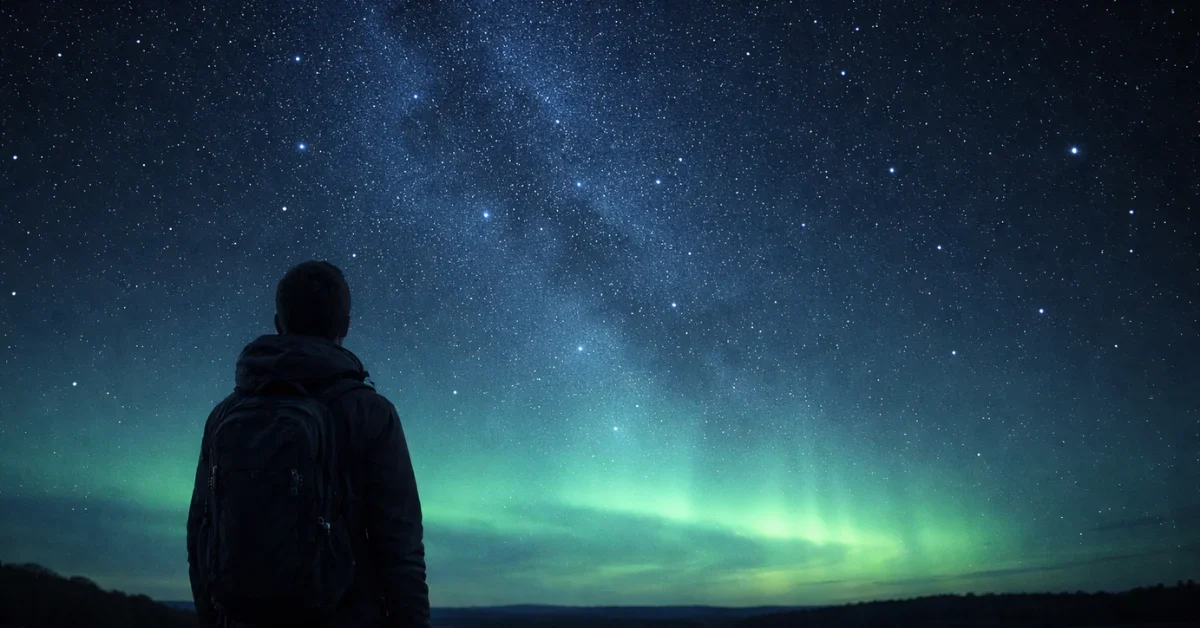
A solar storm is forecast to reach Earth on February 15, with space weather forecasters issuing a G1 (minor) geomagnetic storm watch. The expected impacts are described as noticeable but limited, while the event could still raise the chances of auroras lighting up the night sky.
The forecast involves two main drivers arriving around the same time: a coronal mass ejection (CME) and high-speed solar wind. Both are tied to recent solar activity and are expected to interact with Earth’s magnetic field as they arrive.
What the forecast says
Moneycontrol reports that the expected disturbance on February 15 is classified as a G1 geomagnetic storm, the lowest level on the geomagnetic storm scale. That classification suggests minor geomagnetic activity rather than a major space weather event.
The report describes the storm as “minor but noticeable,” while also noting it could produce an unexpectedly vivid night-sky display under the right conditions. Auroras are described as possible, though the report says they would not be as intense as during stronger storms.
What’s driving the storm
According to the report, a large coronal hole opened on the Sun, and such holes can release fast streams of solar wind. Those particles travel through space, and some are now reaching Earth.
The report also says a coronal mass ejection adds extra charged material to the mix. Together, the incoming high-speed solar wind and CME-driven material can disturb Earth’s magnetosphere, leading to the G1 geomagnetic storm conditions forecasters are watching for.
Timing and viewing window
The disturbance is forecast for February 15, 2026, and the report says activity may intensify late in the evening. It adds that peak aurora chances are expected between 10:00 PM and 2:00 AM EST, while also noting that exact timing depends on solar wind conditions.
The report cautions that space weather can shift with little warning, meaning the strongest activity could arrive earlier or later than expected. Because of that uncertainty, it describes the forecast as conditional on how the solar wind evolves in real time.
Expected disruptions: what’s likely and unlikely
On potential disruptions, the report says current forecasts point to a minor (G1) storm rather than a severe event. It specifically states that no significant power grid disruptions are expected under the present outlook.
It also says major satellite or communications outages are unlikely. In other words, the focus for many people may be on skywatching rather than on widespread technology impacts.
Tips for skywatchers
For those hoping to spot auroras, the report emphasizes that clear skies matter for viewing. It also notes that a new moon phase can help, because darker skies improve visibility of faint auroras.
The report suggests looking north toward the darkest horizon and giving your eyes time to adjust to the darkness. It adds that photographs may capture aurora colors more vividly than what the eye can easily see during a minor event.
How solar storms are tracked
Moneycontrol says space agencies track solar storms using solar observatories and satellites that monitor eruptions and coronal holes. It adds that instruments measure solar wind speed and direction, and forecast centers analyze the data in real time.
The report says warnings are issued when disturbances appear likely, helping set expectations for both visibility of auroras and the risk level for disruptions.
