

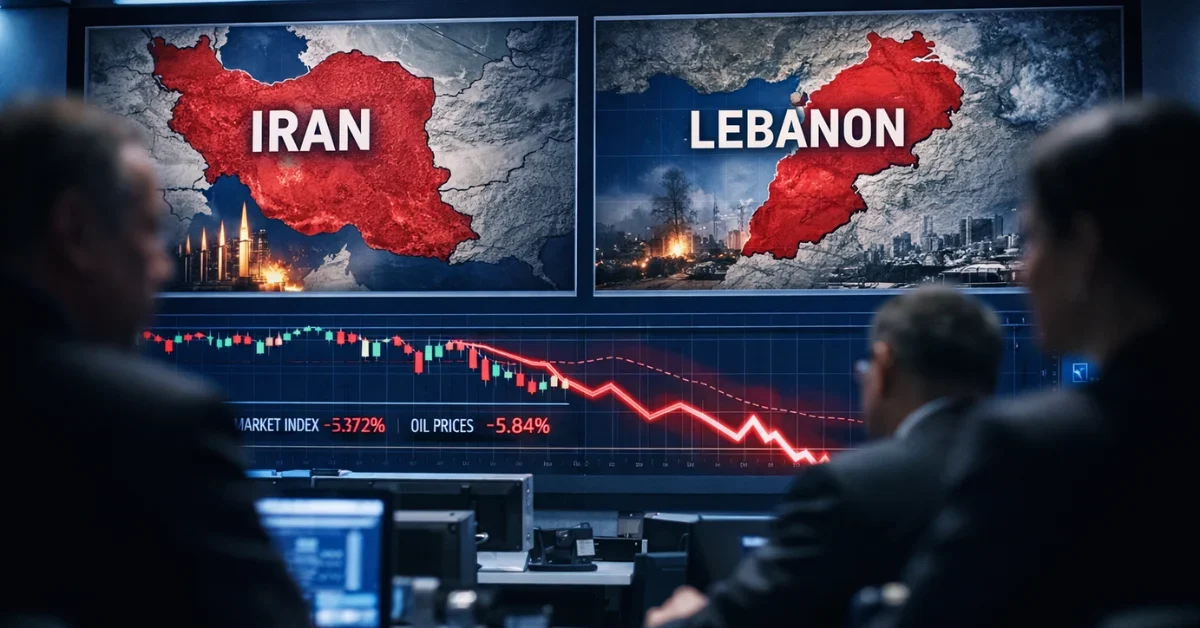
The US-Israel war on Iran has officially reached its seventh day, bringing unprecedented military escalation to the region. The ongoing Middle East crisis is characterized by heavy bombing operations, with the capital city of Tehran taking direct hits from coordinated strikes. As the conflict unfolds, United States President Donald Trump has issued a definitive ultimatum, demanding the unconditional surrender of Iran. He has explicitly stated that no diplomatic deals will be considered until this absolute surrender is achieved. The extensive military campaign, involving complex drone and ballistic missile deployments, has not only devastated local areas but is also sending major shockwaves through global business sectors worldwide.
Heavy Bombing and Missile Strikes Target Tehran
As the US-Israel war on Iran advances into its seventh consecutive day, Tehran has been subjected to severe and heavy bombing. The strikes are a central component of the ongoing Middle East crisis, which has rapidly escalated since the conflict’s inception. Military operations targeting Iran have heavily utilized advanced aerial weaponry, specifically drones and ballistic missiles. The integration of drone technology and ballistic missiles in the attack on Tehran underscores the intensity of the allied military effort. The relentless heavy bombing marks a critical phase in the war, with Tehran remaining a primary focus of the continued aerial assaults.
Trump Refuses Deals, Insists on Unconditional Surrender
A defining element of the current US-Israel war on Iran is the hardline diplomatic stance taken by the United States leadership. President Donald Trump has demanded the unconditional surrender of Iran, setting a rigid parameter for any potential resolution to the conflict. Addressing the ongoing crisis, Trump has firmly declared that there will be absolutely no deal made with Iran until an unconditional surrender is secured. This uncompromising position eliminates the possibility of immediate negotiated settlements or conditional ceasefires. By insisting solely on unconditional surrender, the administration has reinforced its commitment to sustaining the military pressure through ongoing attacks until its ultimate strategic demand is entirely satisfied.
Iran’s UN Envoy Reports 1,332 Civilian Casualties
The heavy bombing of Tehran and surrounding areas has resulted in a substantial loss of life, according to official Iranian representatives. Iran’s UN envoy has provided specific casualty figures stemming from the seven days of the US-Israel war on Iran. The UN envoy stated that 1,332 Iranian civilians have been killed as a direct result of the ongoing conflict. This precise figure of 1,332 civilian deaths is the primary casualty metric reported by Iran’s diplomatic mission to the United Nations. The statement from the UN envoy emphasizes the severe human cost associated with the drone and ballistic missile strikes that have defined the Middle East crisis over the past week.
Israel Bombards Lebanon in Expanding Regional Conflict
While the primary focus of the US-Israel military campaign remains on Iran, the scope of the war has widened significantly. In tandem with the heavy bombing in Tehran, Israel is currently bombarding Lebanon. This concurrent military action expands the geographic footprint of the Middle East crisis, creating a multi-front conflict zone. The bombardment of Lebanon by Israel occurs simultaneously with the broader US-Israel war on Iran, indicating a comprehensive regional military strategy. The active bombardment in Lebanese territory further complicates the geopolitical landscape as the allied forces manage simultaneous combat operations across different Middle Eastern nations.
Global Business Disrupted by the Middle East Crisis
The intense military engagements of the past seven days are having a profound impact on the international economy. The US-Israel war with Iran is sending significant shockwaves through global business. As drone and ballistic missile attacks continue to strike Tehran and Israel bombards Lebanon, international markets are reacting to the profound instability in the Middle East. The disruption caused by the conflict, combined with President Donald Trump’s strict demand for an unconditional surrender, has created a volatile environment for global commerce. The economic shockwaves are a direct consequence of the escalating war, demonstrating how the localized Middle East crisis is actively translating into widespread global business uncertainty.
