

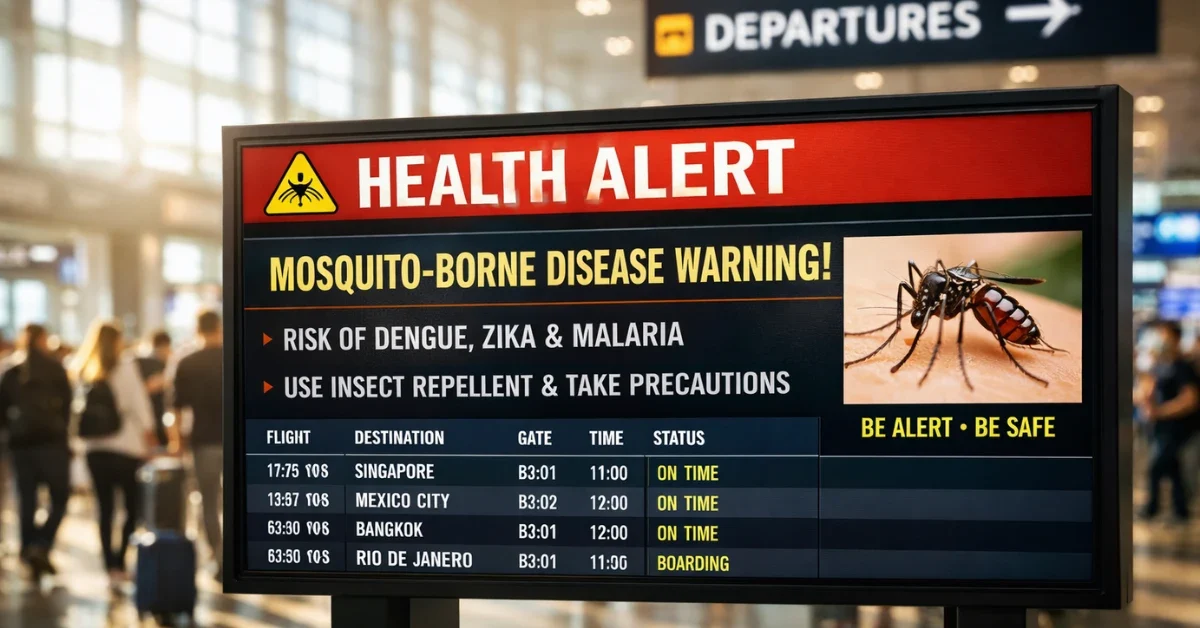
The U.S. Centers for Disease Control and Prevention has issued urgent travel warnings following a significant global surge in chikungunya virus outbreaks. The mosquito-transmitted disease has triggered health alerts for major vacation destinations, including a massive outbreak in China where over 8,000 instances have been recorded. As case numbers continue to rise across multiple continents, public health officials are advising travelers to take extra precautions. From the ongoing closure of popular hiking trails in Hong Kong to Level 2 travel alerts in South America and the Indian Ocean, the rapid spread of the virus has prompted immediate action to protect both local residents and international holidaymakers.
Surge in China and Hong Kong Trail Closures
Health officials in China recently disclosed that more than 8,000 instances of chikungunya have been recorded, with the outbreak heavily affecting Guangdong Province. This rapid spread has led the Centers for Disease Control and Prevention to issue a specific warning this month, urging those traveling to the region to prioritize protective measures.
In neighboring Hong Kong, the persistent risk of the virus has caused significant disruptions to local tourism and outdoor activities. In early January 2026, authorities confirmed that the popular Tsing Yi Nature Trails would remain closed to the public. The scenic hiking routes were originally shut down after multiple confirmed local cases were linked directly to the area. The Centre for Health Protection has been closely monitoring the situation and stated that, despite the absence of new cases since early January, the closure will remain in place as a rigorous measure aimed at preventing further transmission.
Hong Kong officials are taking no chances, prioritizing the safety of residents and visitors alike. The government has not specified an exact reopening date, making it clear that the nature trails will stay closed until the risk of the virus is entirely eliminated. The local tourism sector is watching the situation closely, especially with the upcoming Lunar New Year holiday in mind. In the meantime, local businesses, hotels, and travel agencies are providing up-to-date information to tourists and offering alternative activities for them to enjoy during their stay.
Alerts for Popular Vacation Destinations
The chikungunya virus outbreaks are not limited to Asia, as the Centers for Disease Control and Prevention has also issued urgent warnings for several other popular vacation spots around the world. On February 10, Bolivia was hit with a Level 2 travel alert after the virus began spreading rapidly through the Santa Cruz and Cochabamba departments.
Additionally, the public health agency recently issued a Level 2 advisory for the Seychelles, a highly sought-after group of exclusive, sunny islands in the Indian Ocean. The urgent travel advisories extend even further, covering recent viral outbreaks in several other nations. Travelers planning trips to Kenya, Madagascar, Mauritius, Mayotte, Réunion, Somalia, and Sri Lanka are also explicitly urged to remain vigilant due to the elevated risk of contracting the disease in those regions.
Understanding the Virus and Its Symptoms
Chikungunya is a disease characterized primarily by prolonged and debilitating joint pain. The virus does not spread directly from person to person through coughing, sneezing, or physical contact. Instead, the primary mode of transmission is through the bites of infected mosquitoes. However, transmission can also occur through blood transfusions, handling infected blood, or drawing blood from someone who is already infected.
According to the Centers for Disease Control and Prevention, the most prominent symptoms of the virus typically manifest three to seven days after a person is bitten by an infected mosquito. Along with severe joint pain, patients frequently experience a high fever. Other possible indications of the disease include headaches, muscle aches, swollen joints, and rashes. The World Health Organization has highlighted that chikungunya is often misdiagnosed by medical professionals because its symptoms closely mirror those of other mosquito-borne illnesses, such as dengue fever and the Zika virus.
Prevention and Traveler Safety Measures
Health authorities are heavily emphasizing preventative steps to combat the ongoing outbreaks. The Centers for Disease Control and Prevention recommends that travelers get the chikungunya vaccine before visiting areas with known virus activity. In addition to vaccination, individuals can protect themselves by actively preventing mosquito bites while traveling.
Travelers are instructed to use effective insect repellent and to wear long-sleeved shirts and pants when spending time outdoors. It is also highly recommended to stay in accommodations that have air conditioning or feature protective screens on the windows and doors. By following these basic precautions, holidaymakers can greatly reduce their chances of encountering infected mosquitoes and protect themselves from the debilitating effects of the disease.
