

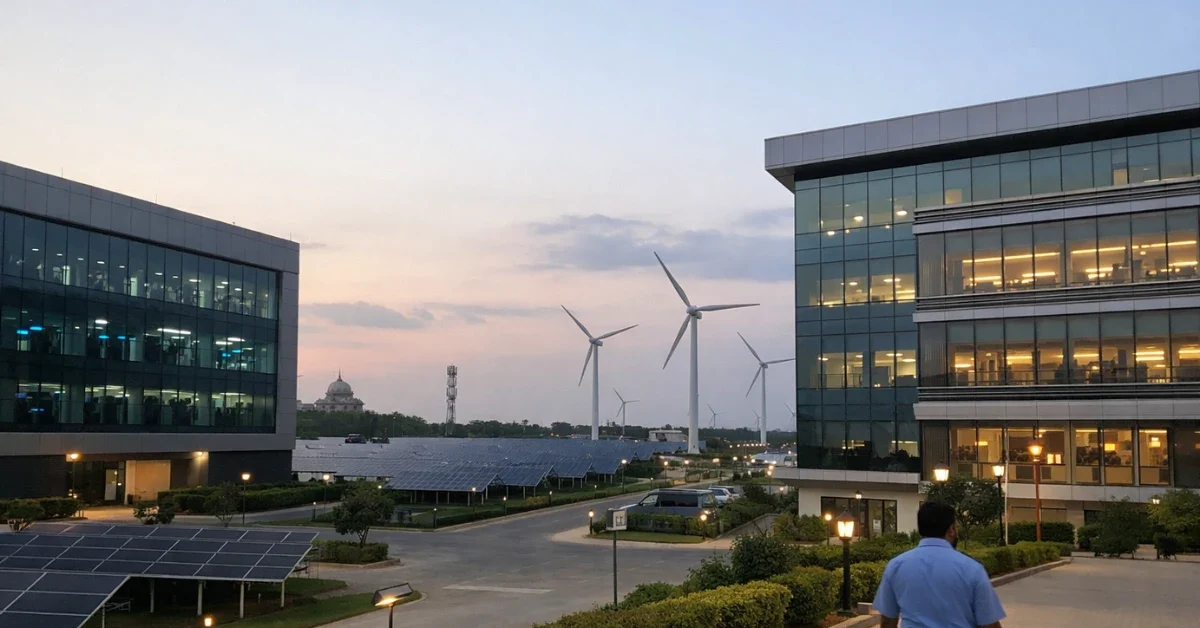
India has unveiled an ambitious plan to attract $200 billion in investments for artificial intelligence (AI) data centers over the next two years. The initiative marks a significant step in the nation’s strategy to position itself as a global hub for AI infrastructure and data processing. Government officials and industry leaders are aligning to build the physical backbone necessary to support next-generation technology, moving beyond software services into hardware and critical infrastructure.
The push for investment comes as global demand for computing power surges, driven by the rapid adoption of generative AI models and cloud computing. India aims to capitalize on this demand by offering a favorable environment for large-scale data center operations, which are essential for training and running complex AI systems. The targeted $200 billion is expected to come from a mix of domestic conglomerates and international technology giants looking to diversify their operational footprints.
Adani Group Leads with Massive Commitment
A major portion of this projected investment is already taking shape through the private sector. The Adani Group has committed to investing approximately $100 billion over the next decade specifically toward transitioning its energy and infrastructure capabilities to support green AI data centers. This move highlights a growing trend where energy conglomerates leverage their power generation capabilities to solve the massive electricity needs of modern data processing facilities.
The conglomerate’s strategy focuses on building energy-intensive hyperscale data centers powered by renewable energy. This approach addresses one of the most critical challenges in the AI industry: the immense carbon footprint associated with training large language models. By integrating green power with digital infrastructure, Indian firms are attempting to offer a sustainable alternative to traditional data hubs in established markets.
The Rise of Sovereign AI Infrastructure
India’s aggressive investment targets are part of a wider global trend toward “sovereign AI.” Nations are increasingly treating AI infrastructure as a strategic asset, similar to energy or defense capabilities. Countries like Canada are also launching consultations to enable large-scale sovereign AI data centers, recognizing that domestic computing power is vital for economic security and technological independence.
European strategies similarly emphasize the need for industrial AI infrastructure to maintain competitiveness. As highlighted by international forums, the concept of sovereign AI involves nations building their own capacity to compute, store, and process data within their borders. This ensures that critical national data remains under local jurisdiction and reduces reliance on foreign technology providers. For middle powers, building this domestic capacity is seen as a way to weather the dominance of major tech superpowers like the United States and China.
Global Spending on Sovereign Cloud Increases
The drive for local infrastructure is reflected in global spending trends. Projections indicate a significant increase in sovereign cloud spending through 2026, as governments and regulated industries prioritize data privacy and security. This shift creates a lucrative market for countries that can provide compliant, secure, and localized data processing environments.
India’s entry into this space is timed to capture a slice of this growing market. By fostering a regulatory and economic environment conducive to high-capital investments, the government hopes to replicate the success of its IT services sector in the realm of physical digital infrastructure.
Strategic Economic Implications
Achieving the $200 billion target would have profound economic implications. Beyond the immediate capital inflow, the construction and operation of data centers create distinct employment opportunities in engineering, energy management, and facilities maintenance. Furthermore, having a robust domestic AI infrastructure reduces the cost for local startups and enterprises to access high-performance computing, potentially spurring a new wave of innovation within the country.
However, the path forward involves significant challenges, particularly in securing the reliable, round-the-clock power required by AI processors. The integration of renewable energy sources, as proposed by major investors, is critical to making these projects viable in the long term without burdening the national grid. As nations globally race to secure their spot in the AI value chain, India’s ability to execute these massive infrastructure projects will determine its standing in the future digital economy.
