

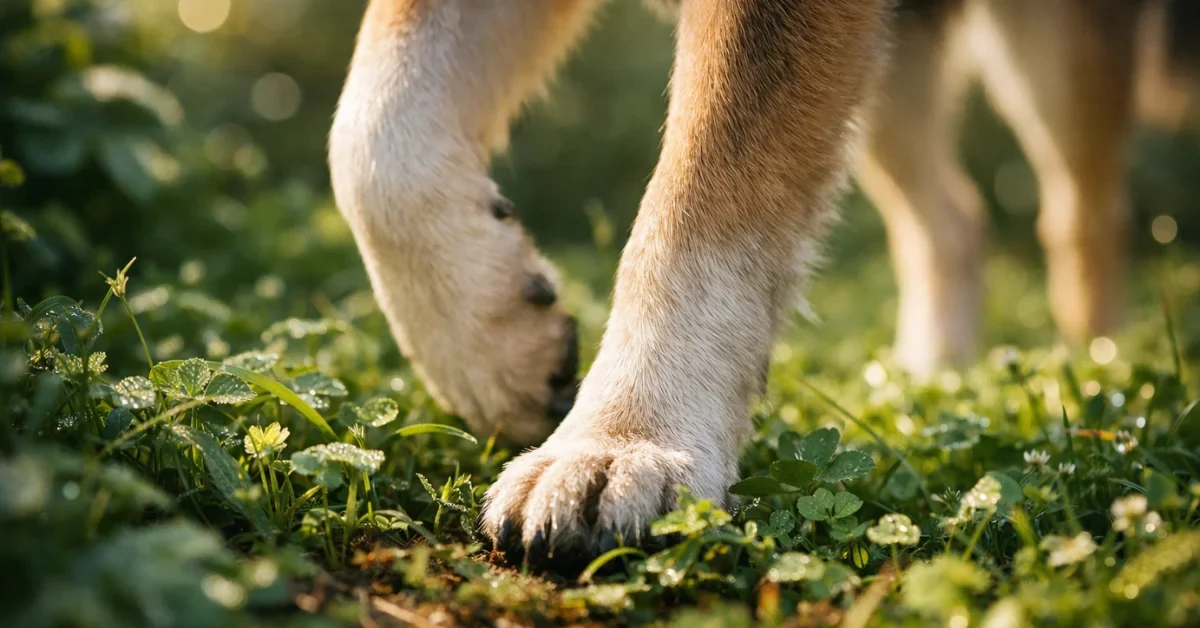
A new scientific study has uncovered an unexpected way that invasive species are traveling across gardens and ecosystems: hitching a ride on family pets. Research published in February 2026 in the journal PeerJ reveals that domestic cats and dogs are playing a significant, previously unsuspected role in the spread of land flatworms. Specifically, the study identifies one particular species, Caenoplana variegata, as an adept traveler that uses pet fur to move from place to place.
This discovery sheds light on a long-standing mystery in invasion biology. While human activities like the plant trade are known to be the primary drivers of invasive species transport, they failed to explain how certain slow-moving creatures managed to colonize new areas so effectively. The findings suggest that our four-legged companions may be acting as biological taxis, inadvertently helping these pests expand their territory far more rapidly than they could on their own.
The Mystery of the Moving Worm
Land flatworms, scientifically known as terrestrial Platyhelminthes, are invasive organisms that have become a growing concern for ecologists. These predators often feed on earthworms and other soil invertebrates, potentially disrupting local soil health and ecosystems. Historically, their spread has been linked almost exclusively to the transport of potted plants and soil by humans. If a gardener buys a plant infested with flatworms or their eggs, the species can be introduced to a new location.
However, researchers were puzzled by a specific pattern of distribution. These worms are naturally slow-moving animals, yet they frequently appear in neighboring gardens or areas that have not received any new plants or landscaping materials. The question remained: how were these sluggish creatures crossing fences, driveways, and considerable distances to infest new properties? The answer, it turns out, was sleeping at the foot of the bed.
Citizen Science Cracks the Case
To solve this puzzle, a collaborative team of researchers from the Institute of Systematics, Evolution and Biodiversity (ISYEB) at the French National Museum of Natural History and James Cook University in Australia turned to the public for help. The study relied on a massive dataset compiled through citizen science initiatives. Over a period of more than 12 years, people across France submitted reports, observations, and photographs of flatworms in their gardens and homes.
By meticulously analyzing these years of data, the scientists identified a recurring but previously overlooked phenomenon. In numerous reports, flatworms were not just found in the soil or under pots—they were discovered clinging to the fur of domestic cats and dogs. This evidence provided the “smoking gun” needed to confirm that pets were acting as vectors for the invasive species.
Caenoplana variegata: The Sticky Hitchhiker
Perhaps the most surprising finding of the study was that not all flatworms are equally adept at this mode of travel. While roughly ten different species of invasive land flatworms have established themselves in France, the citizen science data pointed to only one species using pets as a transport vessel: Caenoplana variegata.
The researchers believe this species has specific biological traits that make it uniquely suited for “hitchhiking” on animals. Caenoplana variegata is a predator of arthropods (insects and spiders), and it produces a particularly sticky mucus. This adhesive coating, likely evolved to help it capture prey or deter predators, also allows it to cling firmly to the fur of passing animals.
Furthermore, Caenoplana variegata possesses a reproductive advantage that maximizes the impact of even a single hitchhiking event. The species is capable of reproducing without a partner. This means that if a single worm attaches to a dog’s paw and falls off in a new garden, it can potentially establish an entire new population on its own.
Implications for Invasive Species Control
The realization that household pets are vectors for invasive worms adds a complex new layer to the management of biological invasions. Dogs and cats often roam considerable distances, crossing between properties and even exploring natural areas. A dog might pick up a worm in its own backyard and deposit it miles away during a walk, or a cat might carry one into a neighbor’s garden during its nightly patrols.
Given the millions of pets worldwide and the distances they travel annually, this mode of transport could be a significant contributor to the global spread of Caenoplana variegata and potentially other similar species. The study highlights the importance of monitoring not just the plants we move, but the animals we live with, to better understand and control the flow of invasive species in our environment.
