

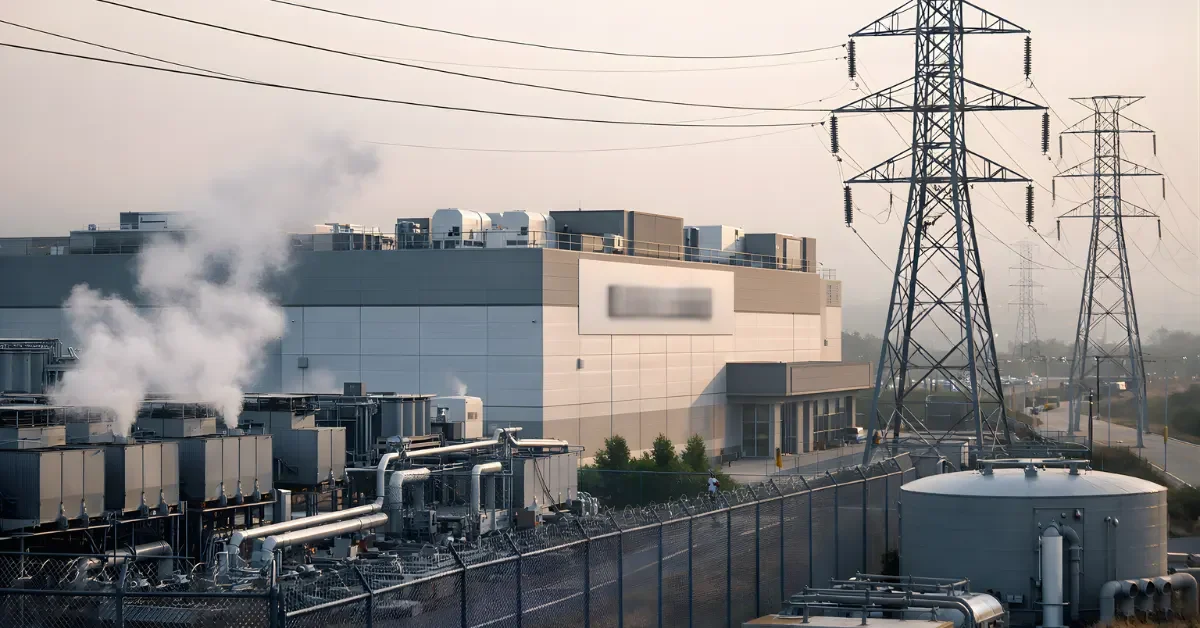
Microsoft has launched a community-focused data center initiative that aims to lower water use at its U.S. facilities and prevent the cost of powering those centers from raising electricity prices for everyday consumers. The move comes as tech companies expand data centers to support generative AI systems, while communities and policymakers increasingly focus on energy, water, and local economic impacts tied to the data center boom.
Microsoft President and Vice Chair Brad Smith said the company’s commitment is to make sure its data centers “do not lead to higher electricity prices for you,” speaking at an event in Great Falls, Virginia. Microsoft said it will pay utility rates high enough to cover its power costs and work with local utilities to expand supply when needed for its data centers.
What Microsoft pledged on power and water
Microsoft said it will support a rate structure designed to keep data center power costs from being passed on to consumers. The company also said it will publish water-use information for each U.S. data center region, along with progress on water replenishment.
Microsoft pledged to replenish more water than its data centers consume. Smith said, “Especially when tech companies are so profitable, it’s both unfair and politically unrealistic for our industry to ask the public to shoulder added electricity costs for AI.”
Why the issue is getting louder
The initiative comes as local communities raise concerns that power-hungry data centers could affect utility bills and increase pressure on land, water, and other resources. CNBC reported that U.S. utility prices for consumers were up 6% in August versus a year earlier, with the trend noted in states with many data centers.
Microsoft also described steps to work with utilities ahead of time so they can invest in infrastructure needed for new data centers. Smith said he delivered a similar message in September during a visit to Racine, Wisconsin, where a new data center is expected to launch in early 2026.
Local taxes and workforce commitments
Microsoft said it would contribute to local tax revenues in areas where it operates data centers. Smith said Microsoft will not ask a local community for a property tax reduction or abatement to attract a Microsoft data center.
Microsoft said it will provide AI literacy support to local communities and train residents for data center jobs. Microsoft did not provide financial details of the initiative in response to a request, according to Reuters.
AI buildout keeps accelerating
Microsoft CEO Satya Nadella told analysts in October that the company plans to nearly double its data center presence over the next two years. Microsoft said it has been building data centers for more than 15 years, and it spent nearly $35 billion in capital expenditures and finance leases related to cloud and AI infrastructure in the September quarter, a 75% increase year over year.
The company’s announcement also followed comments from U.S. President Donald Trump, who said ahead of the initiative that Microsoft would make “major changes” to curb data center power costs for Americans. Trump also said on social media that data centers are key to the U.S. AI boom but that big technology companies building them must “pay their own way,” while congratulating Microsoft.
PixVerse pushes real-time AI video creation
In a separate AI development, Alibaba-backed startup PixVerse released a real-time AI video tool that lets users change what happens while a video is being generated. TechStartups described the product as allowing creators to direct scenes as they unfold, with actions like characters crying, dancing, freezing, or striking a pose triggered on command.
PixVerse co-founder Jaden Xie said real-time AI video generation can create “new business models,” pointing to interactive micro-dramas where viewers influence storylines and “infinite” video games. PixVerse said the tool is integrated into the company’s sharing platform, which reached 16 million monthly active users in October.
PixVerse set aggressive growth goals, with Xie aiming for 200 million registered users by mid-year, up from 100 million last August, while headcount could double to nearly 200 employees by year’s end. The company said most users are outside China, using PixVerse through its web platform and mobile app.
