

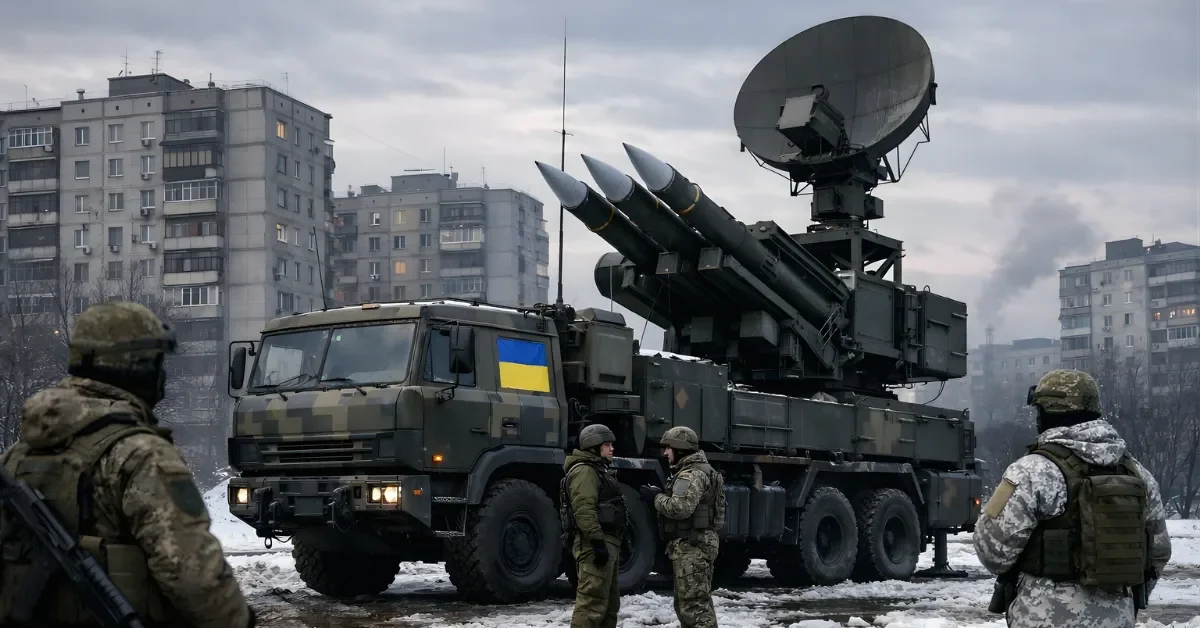
Ukraine is working urgently to strengthen its air defense systems as a temporary halt to Russian airstrikes on key cities is set to expire on February 1. The pause was agreed to by Russian President Vladimir Putin following a personal request from United States President Donald Trump, according to the Kremlin. However, Ukrainian officials have clarified that no formal ceasefire exists between the two nations.
Dmitry Peskov, spokesman for the Kremlin, confirmed that Putin agreed to refrain from striking Kyiv for one week to create what Russia described as favorable conditions for negotiations. Trump expressed optimism on Friday at the White House, saying he believes the parties are getting close to a settlement despite the personal animosity between Ukrainian President Volodymyr Zelenskyy and Putin. The American president noted that the mutual hostility makes negotiations difficult but added that there remains a good chance of reaching an agreement.
Zelenskyy Focuses on Short-Range Defense Systems
As the pause draws to a close, Zelenskyy announced on Telegram that Ukraine is prioritizing the enhancement of short-range air defenses against drones in vulnerable frontline cities. He specifically mentioned Kherson, Nikopol, and border communities in the Sumy region, where he said Russian forces have established what he described as an ongoing campaign against civilians. The Ukrainian president also publicly invited Putin to Kyiv, challenging him with the words “if he dares, of course,” while stating it was impossible to meet the Russian leader in Moscow.
Zelenskyy reported that no strikes on energy facilities occurred overnight, though he noted that attacks took place the previous afternoon. The focus on drone defenses comes as temperatures in Kyiv are expected to drop to minus-26 degrees Celsius starting Sunday, raising concerns about the vulnerability of civilians without power and heating.
Expert Analysis Questions Strategic Impact
Military and diplomatic analysts have expressed skepticism about whether the temporary pause will meaningfully alter battlefield conditions or lead to lasting progress. Vice Admiral Robert Harward, a retired Navy SEAL and former deputy commander of United States Central Command, described the halt as political signaling rather than a substantive military shift. He told Fox News Digital that the move appears designed to validate Trump’s relationship with Putin and demonstrate that diplomatic engagement can yield results.
Carrie Filipetti, executive director of the Vandenberg Coalition and a former senior State Department official, cautioned against interpreting Russia’s agreement as a genuine move toward peace. She said Ukrainian civilians may welcome any brief respite but are not expecting Putin’s military operations to stop until the risks of continuing the war change his strategic calculations. Filipetti noted that the short duration of the pause does not meaningfully alter conditions on the battlefield and pointed to Russia’s characterization of the halt as week-long despite it expiring in two days as evidence of duplicity.
Delays in Western Aid Strain Ukrainian Defenses
Zelenskyy has voiced frustration over delays in Western military assistance, particularly weapons purchases under the PURL program. He said European allies delayed payments that would have provided Ukraine with Patriot air defense missiles ahead of recent Russian strikes that knocked out power across parts of Kyiv. Filipetti emphasized that securing adequate Patriot missiles is critical for protecting civilians and energy infrastructure during the harsh winter months, warning that without sufficient defenses there will be no electricity or heat for civilians.
Harward noted that air defense systems are in high demand globally due to threats from Russia and China, with resource constraints, costs, and extended delivery times adding to the challenge. The shortage leaves Ukraine vulnerable as it attempts to shield population centers from ongoing aerial attacks.
Domestic Russian Pressure for Escalation
Despite the temporary pause, Russian lawmakers and regional leaders have publicly called for intensified military action. Russian parliament speaker Vyacheslav Volodin said deputies are advocating for the use of more powerful weapons of retribution, while Chechen leader Ramzan Kadyrov stated his opposition to negotiations altogether. This internal pressure within Russia raises questions about the sustainability of any pause or potential for broader de-escalation.
Harward warned that the temporary halt could weaken Ukraine’s diplomatic position once strikes resume, potentially isolating the country in ongoing negotiations. Filipetti offered a cautiously optimistic view, saying that while diplomacy can appear fruitless until a real deal materializes, the pause could build additional progress in trilateral talks if Trump continues to engage and pressure Putin. She added that such an outcome would be very positive but stressed that only time will reveal whether meaningful progress is possible.
The coming days will test whether the temporary respite can serve as a foundation for sustained diplomatic efforts or whether it merely reinforces Russia’s negotiating leverage while leaving Ukraine exposed to renewed attacks.
