

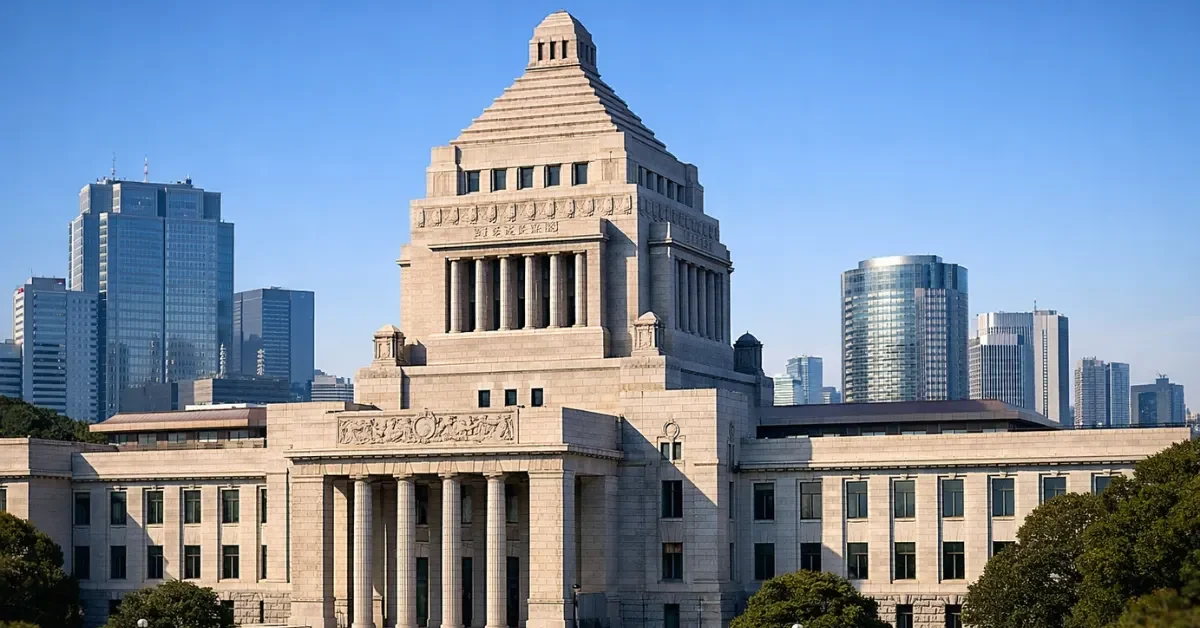
Japanese Prime Minister Sanae Takaichi secured a historic landslide victory in parliamentary elections held in February 2026, despite Beijing’s aggressive campaign to punish her government over Taiwan. The ruling Liberal Democratic Party won 316 seats, achieving a two-thirds supermajority in the lower house for the first time since the party’s founding in 1955. Rather than weakening Takaichi’s position, China’s economic and diplomatic coercion appears to have reinforced her authority and galvanized Japanese public support.
The diplomatic crisis began in November 2025 when Takaichi told Japan’s parliament that a Chinese attack on Taiwan could constitute an existential crisis for Japan under the country’s security legislation, potentially allowing Tokyo to take military action in collective self-defense. Beijing reacted furiously, treating the remarks as a direct violation of its one-China principle and launching an extensive pressure campaign against Japan.
Beijing’s Coercive Response
China deployed multiple tactics to punish Tokyo for Takaichi’s statements. The Ministry of Foreign Affairs and Ministry of Culture and Tourism advised Chinese citizens to avoid traveling to Japan, leading major Chinese airlines to offer free refunds and cancellations for flights through late 2026. Tourist arrivals from China plummeted from 716,700 in October 2025 to 330,000 by December 2025, representing a decline of more than 50 percent.
Beijing also reimposed a ban on Japanese seafood imports, suspended cultural exchanges, and canceled performances by dozens of Japanese entertainers in China. The Chinese Consul General in Osaka sparked controversy by posting on social media that authorities would “cut off that dirty neck” that had attacked China, though the post was later deleted following Japanese protests.
In January 2026, China escalated further by banning exports of all dual-use items to Japan for military purposes and imposing restrictions on rare earth materials. Chinese officials justified these measures as preventing Japanese remilitarization, with Foreign Minister Wang Yi stating that Takaichi’s comments crossed a red line demanding a resolute response.
Japan’s Resilience
Despite the pressure, Japanese officials declined to retract Takaichi’s remarks. She maintained that her statements were consistent with Japan’s longstanding security position and constitutional framework. Cabinet approval ratings actually increased during the crisis, reaching approximately 75 percent by mid-January 2026, up from 70 percent in late 2025. Post-election polling showed 69 percent of Japanese citizens approved of her cabinet’s performance.
The economic impact of Chinese coercion proved limited due to Japan’s diversified economy and reduced dependence on Chinese markets. Tourism spending overall increased 16 percent in 2025, reaching over $60 billion, as visitors from Taiwan, South Korea, the United States, and Hong Kong offset declining Chinese arrivals. Japanese seafood exporters had already shifted away from China following earlier disputes, with China’s share of exports dropping from 43 percent in June 2023 to just 14 percent by September 2025.
Japan’s vulnerability to rare earth restrictions had also diminished significantly. Following a previous Chinese cutoff in 2010, Tokyo spent 16 years diversifying supply chains, reducing reliance on Chinese rare earths from 90 percent to approximately 60 to 70 percent by 2025.
Expanding Military Agenda
With her massive electoral mandate, Takaichi now has unprecedented political capital to advance her security agenda. She has already increased defense spending to 2 percent of Japan’s GDP ahead of schedule and pledged further increases despite mounting public debt. Her government plans to acquire nuclear submarines, further deregulate arms exports to allow transfer of lethal weapons, and potentially revise Japan’s pacifist constitution.
Japan has begun exporting Patriot air defense systems to the United States and agreed to sell frigates to Australia. Tokyo is also co-developing a next-generation fighter jet with Italy and the United Kingdom and participating in a NATO-led initiative to supply Ukraine with military equipment.
Takaichi has pledged to establish a National Intelligence Bureau modeled on the Central Intelligence Agency and pass new anti-spy legislation. The long-term objective includes potentially joining the Five Eyes intelligence network.
Broader Implications
Data compiled throughout 2025 shows China publicly criticized other countries over Taiwan-related issues 197 times, up from just 50 incidents in 2024. Japan experienced the most dramatic increase, rising from one public criticism in 2024 to 53 in 2025, a 5,200 percent surge that made Tokyo the second most criticized country after the United States.
Alleged violations of the one-China principle accounted for 143 public criticism incidents in 2025, up from just 24 in 2024. Japan alone accounted for 46 of these cases, suggesting Beijing is applying the principle more expansively to police a wider range of foreign rhetoric about Taiwan.
The episode demonstrates what analysts describe as diminishing returns of coercion against economically resilient and politically confident democracies. When pressure is recognized as a naked tool of influence, it frequently produces the opposite effect by hardening public attitudes and making compromise politically untenable.
Takaichi is scheduled to visit Washington on March 19, where she will likely attempt to influence the White House’s China agenda before President Trump visits Beijing in April. To offset potential impacts from a U.S.-China trade deal, she could accelerate implementation of Japan’s $550 billion investment pledge in the United States.
Neither Takaichi nor Chinese leader Xi Jinping appear in a hurry to improve diplomatic relations. Beijing has urged Chinese tourists not to travel to Japan and warned that Takaichi’s moves threaten regional security. Meanwhile, Takaichi is hoping an assertive China will help her overcome domestic opposition to her security agenda, a calculation that her landslide victory appears to have validated.
