

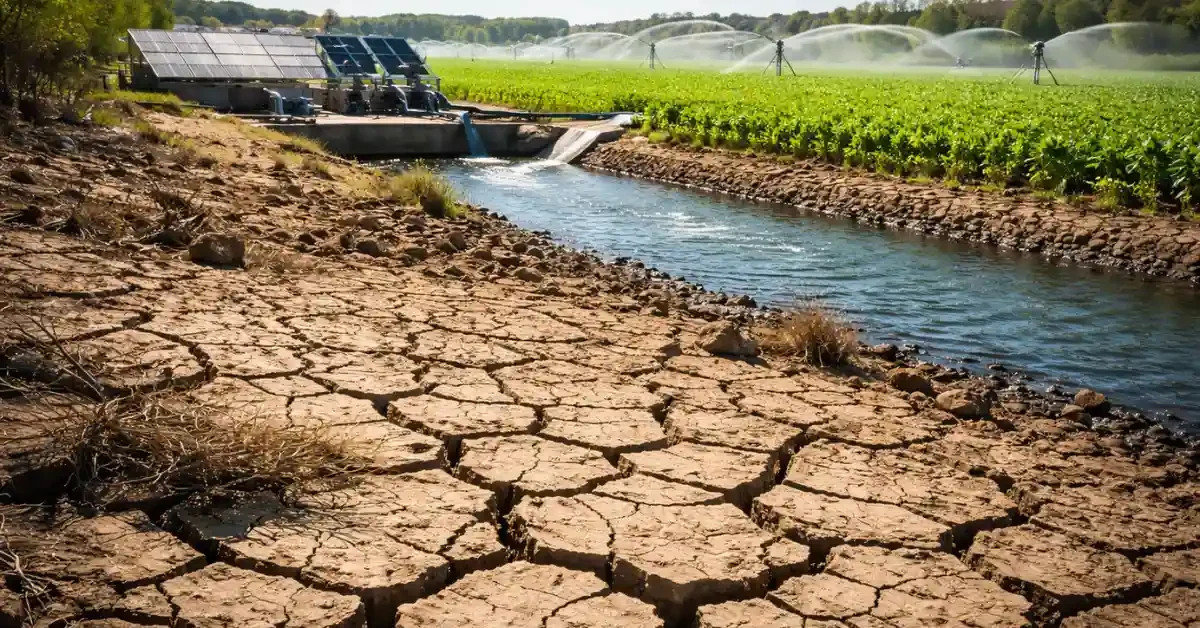
The world is facing an escalating global water crisis as record-breaking temperatures and prolonged dry spells disrupt ecosystems, agriculture, and daily life. In July 2024, global temperatures reached an unprecedented average of 17.16 degrees Celsius. This extreme heat, combined with uniquely low rainfall, has triggered severe drought conditions across multiple continents. From dwindling river basins to struggling coastal reefs, the impacts are vast. However, communities and governments are stepping up with targeted conservation and international relief efforts to protect vital water resources.
The Scope of Global Droughts
According to a recent report by the European Commission’s Joint Research Centre, a rare mix of climate change and major weather patterns like El Niño has intensified droughts in South America, southern Africa, eastern Europe, and the Mediterranean. Between August 2023 and July 2024, researchers detected 52 prolonged meteorological drought events worldwide. Major rivers, including the Amazon and the Zambezi, have experienced alarmingly low water flows, which threatens drinking supplies, transportation, and hydroelectric power production.
Despite these alarming trends, a perfectly synchronized worldwide drought remains unlikely. Researchers from the Indian Institute of Technology Gandhinagar analyzed over a century of climate data and found that ocean surface temperature patterns naturally disrupt global drought alignment. At any given time, synchronized droughts typically affect only about 1.8 to 6.5 percent of global land. While this natural defense prevents a simultaneous global collapse, regional droughts still cause severe crop failures and strain global food markets.
Regional Struggles and Ecosystem Threats
The impacts of the global water crisis are highly visible at the regional level. In the Western Himalayas, tree-ring data spanning 400 years reveals that the last two decades have brought the driest spring seasons since the early 1600s. Rising temperatures have triggered a “snow drought,” where precipitation that once fell as snow now falls as rain. Without slow-melting ice to regulate water flow, the region faces flash floods in winter and bone-dry summers, threatening the long-term survival of the Indus and Ganga basins.
In Hawaii, South Maui’s coastal waters are showing signs of environmental stress. Citizen scientists have recorded noticeable increases in both salinity and turbidity. These changes are linked to worsening local droughts, recent wildfires, and an explosion in the deer population, which tramples soil and increases runoff. The resulting muddy water threatens to smother and kill delicate coral reefs.
Türkiye’s 12th largest lake, Eber Lake, is also battling severe ecological challenges. Once a thriving habitat for diverse fish and over 140 bird species, the lake is now suffering from prolonged drought, uncontrolled agricultural irrigation, and rampant plastic pollution. Rising temperatures and climate change are causing massive water loss through evaporation.
Conservation and Relief Efforts
As the global water crisis deepens, proactive management and international cooperation are becoming essential. To address immediate food insecurity caused by El Niño-driven droughts, India recently dispatched 1,000 metric tons of humanitarian rice to Malawi. In southern Africa alone, over 30 million people are projected to require food assistance by early 2025.
At the local level, water conservation projects are gaining momentum. In Türkiye, the Zero Waste Foundation has launched a comprehensive five-year plan to revive Eber Lake. The initiative focuses on transitioning to modern irrigation systems, preventing unregistered water use, and cleaning up plastic waste to restore the region’s ecological balance.
Meanwhile, Indian states are implementing massive water management programs. Kerala’s groundwater department has successfully mapped 2.2 million wells across hundreds of local councils using a specialized mobile app. This data will support drought forecasting and the creation of a statewide water-budgeting system. Similarly, in Uttar Pradesh, the government launched a 15-day “Jal Mahotsav” festival to hand over water supply responsibilities to local village councils. The initiative covers 22,000 villages that have recently achieved total piped water coverage, emphasizing community-led water conservation to ensure no drop is wasted.
Through international aid and localized water management, communities are fighting back against the devastating impacts of extreme weather. Adapting to these new climate realities remains the best defense against a drying planet.
