

Ukraine and Russia have recently engaged in significant diplomatic and humanitarian actions, highlighted by a major Russia and Ukraine POW swap. According to official statements from both Moscow and Ukrainian President Zelenskiy, the two nations successfully exchanged a total of 500 prisoners of war. This significant swap took place over a carefully coordinated two-day period in early March 2026. The exchange represents a highly notable development in the ongoing interactions between the two countries, which have also recently participated in formal peace talks located in Abu Dhabi.
On the first day of the exchange, which occurred on March 5, 2026, President Zelenskiy announced that Ukraine successfully brought back 200 prisoners of war. This action marked the beginning of the latest swap agreement with Russia. On that exact same day, Moscow publicly stated that a total of 500 prisoners of war would be exchanged between Russia and Ukraine over the course of the coming two days. Following through on this stated timeline, President Zelenskiy confirmed the next day, on March 6, 2026, that Ukraine saw the return of another 300 soldiers. This second day of prisoner of war swaps precisely matched the total figures previously outlined by Moscow, bringing the two-day exchange to a completion with exactly 500 returned individuals.
Diplomatic Efforts in Abu Dhabi
These large-scale prisoner exchanges follow earlier diplomatic engagements between the warring nations. Specifically, Ukraine and Russia initiated a second day of peace talks earlier in the year, officially occurring on February 5, 2026. These formal peace discussions were hosted and took place in Abu Dhabi. The scheduling of these talks in Abu Dhabi highlights the ongoing international diplomatic efforts occurring parallel to the direct humanitarian exchanges, such as the March prisoner swaps, that have continued to unfold between the two countries.
Severe Energy Deficits and Economic Crisis
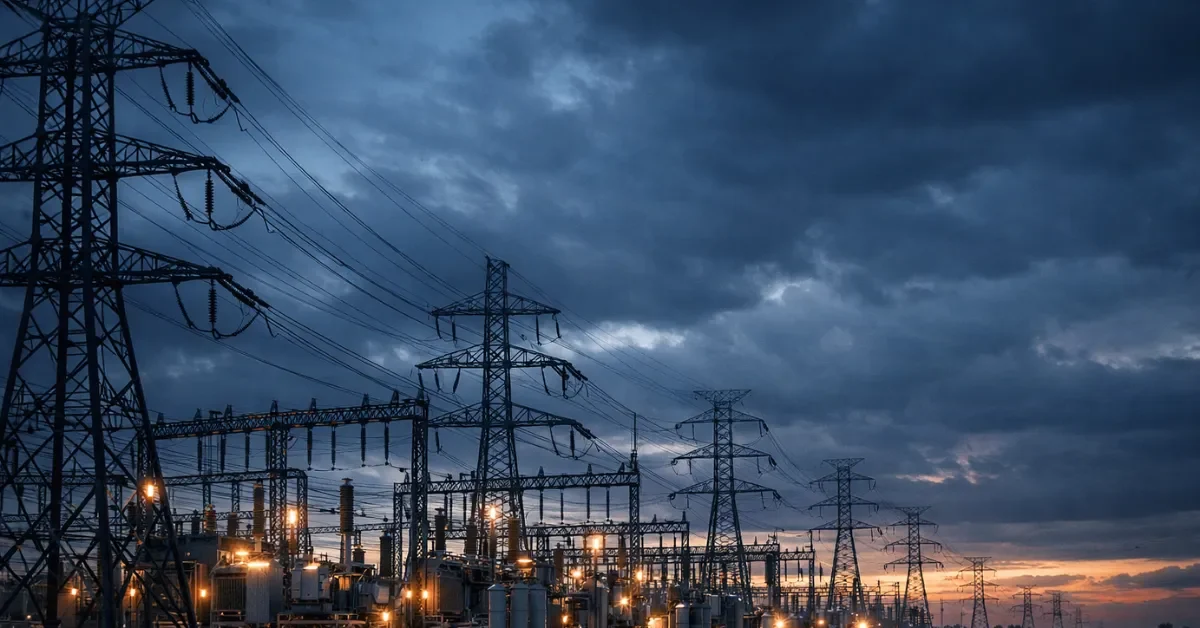
While diplomatic and prisoner exchange efforts have progressed, Ukraine has simultaneously faced severe domestic challenges, particularly regarding its energy infrastructure and electricity supply. The energy difficulties were starkly highlighted early in the year. On January 16, 2026, the mayor of Kyiv provided a troubling assessment of the capital city’s power grid. According to the mayor’s public statement, Kyiv possessed only half of the electricity that the city actually needed to function properly. This massive shortfall in necessary electricity underscored the severe strain placed on the nation’s power resources and infrastructure.
The lack of adequate electricity supply quickly translated into broader financial and structural problems for the entire nation. By February 23, 2026, the ongoing power drought had tipped the Ukrainian economy into a severe downturn. In fact, the severe electricity shortages triggered the worst economic crisis that Ukraine had experienced since the very first year of the war. The direct correlation between the prolonged power drought and the massive economic crisis demonstrates the significant domestic hurdles the country faced throughout the early months of 2026.
Weather Changes and Fuel Supply Shifts
Despite the dire economic warnings and widespread electricity shortages, there were some shifting variables within Ukraine’s energy sector that provided slight alterations to the crisis. A government minister officially noted on February 12, 2026, that warming weather conditions had successfully helped to reduce Ukraine’s overall energy deficit. The natural increase in outdoor temperatures provided a necessary reduction in immediate energy demand across the country.
Furthermore, by March 3, 2026, an industry analyst reported that Ukraine’s available fuel supplies had added a 5 percent increase. However, the same analyst simultaneously issued a warning regarding future expectations, stating clearly that any further growth in the fuel supply was highly unlikely to occur.
European Energy Security and IEA Warnings
The energy struggles within Ukraine have also resonated on a much broader international scale, particularly concerning European energy security. Reports from February 25, 2026, indicate that Ukraine’s current domestic situation serves as a clear demonstration of why overall electrification is considered a key component for Europe’s long-term energy security. This shift heavily involves advanced energy strategies like moving wind power directly to the energy grid, commonly referred to as ECM wind to grid.
Finally, as Europe navigates these complex energy security challenges highlighted by the Ukrainian power drought, global energy leaders are issuing firm directives regarding future fuel sourcing. On March 6, 2026, the chief of the International Energy Agency (IEA) delivered a strict warning against a return to utilizing Russian gas. The IEA chief made this crucial statement amid a reported surge in global liquefied natural gas (LNG). This widespread surge in global LNG offers alternative energy options, prompting the IEA chief to strongly advise against reverting to Russian gas supplies despite the ongoing energy pressures faced by the broader European region.
