

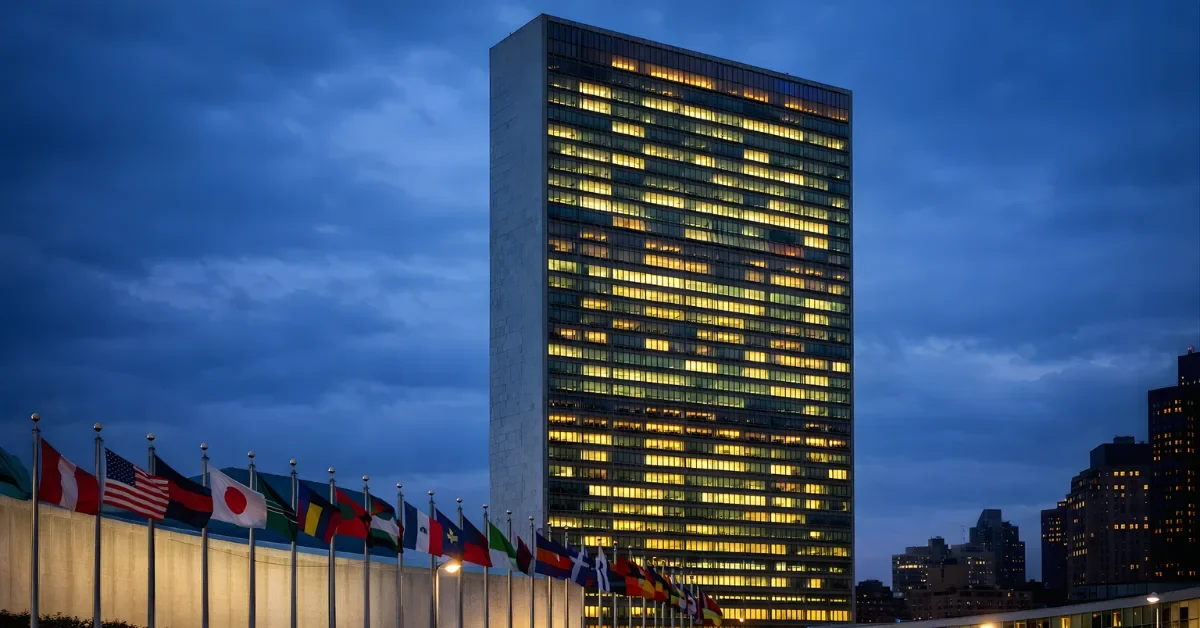
United Nations Secretary-General Antonio Guterres has issued an urgent warning that the global organization faces imminent financial collapse, potentially running out of cash as early as July 2026. In a letter sent to all member states on January 28, Guterres described the situation as unprecedented and deteriorating rapidly, citing record-breaking unpaid dues and ongoing financial pressures that threaten the UN’s ability to function.
The financial crisis stems primarily from unpaid annual contributions, with member states owing a record amount of approximately 1.57 billion dollars by the end of 2025, more than double the outstanding amount from the previous year. The United States, the UN’s largest contributor, accounts for roughly 95 percent of these outstanding payments, owing around 2.19 billion dollars to the regular UN budget alone.
Deepening Cash Crisis Threatens Operations
The severity of the situation has prompted the most urgent alert yet from Guterres, who has been addressing the organization’s liquidity problems for years. Speaking through a spokesperson on Friday, the UN emphasized that payment from member states is now critical, with officials stating the organization lacks the cash reserves and liquidity to continue functioning as it has in previous years.
The crisis is intensifying despite efforts to reduce spending. In early January, the UN approved a budget of 3.45 billion dollars for 2026, representing a seven percent decrease from the previous year as the organization attempts to cut costs amid financial struggles. However, Guterres cautioned that even with these reductions, the UN could completely deplete its cash reserves by July without significant improvements in payment collections.
US Withholding Compounds Budget Shortfall
Beyond the regular budget arrears, the United States owes approximately 1.88 billion dollars for active peacekeeping operations and an additional 528 million dollars for closed peacekeeping missions. The country has also declined to pay for international tribunals including the International Court of Justice and International Criminal Court, though it indicated willingness to remit around 160 million dollars for ongoing peacekeeping missions.
The US contribution to the core UN budget is calculated at 22 percent, with China following at 20 percent. Annual dues for all member states are determined based on factors including gross domestic product, debt levels, and other economic considerations.
Venezuela ranks second among countries with unpaid dues, owing 38 million dollars. The South American nation has lost its voting privileges in the General Assembly due to being two years behind in payments.
Reform Efforts and Structural Challenges
In his letter to ambassadors, Guterres presented member states with a stark choice, writing that either all countries must honor their financial obligations in full and on time, or the UN must fundamentally overhaul its financial regulations to prevent collapse. The secretary-general emphasized that announced decisions not to fulfill assessed contributions, which support a considerable portion of the approved regular budget, have now been officially declared.
Adding to the financial strain is an outdated budget regulation that requires the UN to credit back hundreds of millions of dollars in unspent dues to member states each year. This rule, combined with the record level of unpaid contributions, has left the organization with nearly depleted liquidity reserves.
Last year, Guterres launched a reform initiative known as UN80, designed to cut costs and improve operational efficiency. As part of these efforts, member states agreed to the reduced 2026 budget. Additionally, peacekeeping operations have been instructed to cut their budgets by 15 percent for the 2025-2026 period.
Potential Impact on Global Operations
The financial crisis threatens the UN’s ability to deliver on its three fundamental areas of focus: peace and security, sustainable development, and human rights. Without adequate funding, the organization may be forced to cancel major events, including the upcoming General Assembly meeting of global leaders scheduled for September.
Operations at the Office for Coordination of Humanitarian Affairs, which responds to worldwide emergencies such as conflicts and natural disasters, could also face disruption. The inability to fully execute the approved 2026 program budget would significantly hamper the UN’s capacity to address global challenges and fulfill its mandate.
In his letter, Guterres stressed the unprecedented nature of the current predicament compared to previous financial difficulties. He wrote that the crisis is deepening, jeopardizing program implementation and endangering financial stability, with circumstances expected to worsen in the near future. The secretary-general added that he cannot stress enough the urgency of the current situation.
