

Samsung Electronics is bracing for a massive 18-day labor strike scheduled to start on May 21 following the collapse of wage negotiations. With over 43,000 union workers preparing to walk off the job, the work stoppage threatens to severely disrupt the global semiconductor supply chain. As the world’s leading memory chip producer, a halt in operations could directly impact the rapidly expanding artificial intelligence industry, which relies heavily on specialized hardware.
The South Korean government has stepped in to mediate, with the Prime Minister urging management and labor to resume dialogue and avoid a crisis. However, marathon negotiations at the National Labor Relations Commission ended without an agreement. The commission proposed a compromise involving a 40 trillion won bonus payout, which the union ultimately rejected as a step backward from its core demands.
Deep Divisions Over Profit Sharing and Bonuses
The center of the dispute revolves around how the technology giant distributes its massive profits. Union leaders are demanding that 15 percent of the company’s operating profit be allocated to a bonus pool. They are also pushing for a seven percent wage increase and the complete removal of existing caps on performance bonuses. Samsung management countered by offering approximately 13 percent of the operating profit for 2026, but the company refused to commit to any permanent structural changes to its compensation system.
Internal discrepancies in bonus structures have further fueled worker frustration. Employees in the memory semiconductor division were offered performance bonuses equal to roughly 607 percent of their annual salary. In stark contrast, workers in the loss-making foundry and system sectors were offered bonuses ranging from just 50 to 100 percent.
The union’s demands are heavily influenced by the compensation practices of rival chipmaker SK Hynix. SK Hynix recently agreed to allocate 10 percent of its annual operating profit directly to staff bonuses for the next decade without any caps. Based on profit projections, this structure could yield average payouts between $460,000 and $477,000 per employee this year. The disparity in pay has already prompted nearly 200 Samsung employees to transition to SK Hynix in recent years.
Financial Fallout and Market Reactions
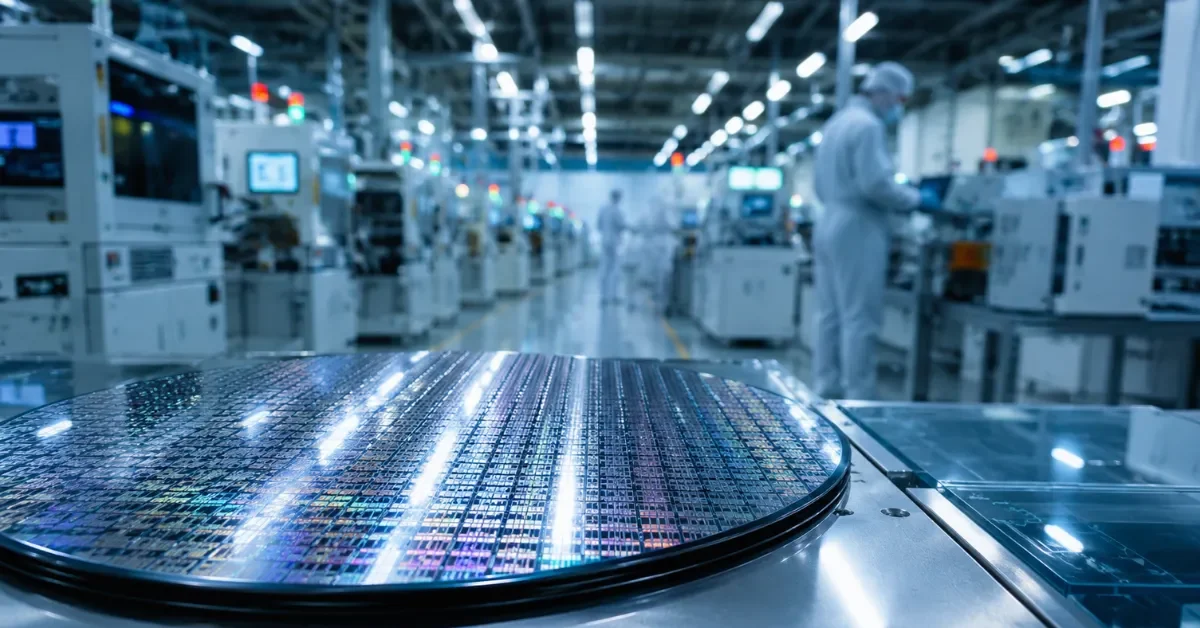
To brace for the upcoming Samsung strike, the company has initiated last-resort contingency measures. Management is rolling out “warm-down” processes to scale back chip production and limit new wafer inputs. Stopping semiconductor fabrication mid-process would ruin active wafers, which are valued at $20,000 each.
Estimates regarding the potential financial damage of an 18-day shutdown vary. Some industry projections point to $20 billion in lost production, while other financial forecasts warn that damages could range from 30 trillion to over 100 trillion won. A brief one-day walkout in April provided a glimpse of the potential devastation, resulting in a 58 percent plunge in foundry output and an 18 percent drop in memory fabrication during that single shift.
Financial markets have reacted sharply to the labor unrest. Samsung experienced a severe drop in its market capitalization, losing as much as 99.07 trillion won, or roughly $66 billion, during intraday trading. The stock declined by more than six percent before recovering slightly after government officials urged a resumption of talks.
Adding to the volatile environment, South Korea’s presidential policy chief recently suggested distributing a dividend to citizens from the current artificial intelligence boom, comparing it to the Alaska Permanent Fund. Financial markets initially interpreted this comment as a looming tax initiative targeting Samsung and SK Hynix, causing the stock index to drop by over five percent and shedding 300 billion won in value. Although the official quickly clarified that he was referring to redistributing existing excess tax revenues rather than imposing new corporate taxes, the incident highlighted the intense public pressure surrounding the semiconductor industry.
The Battle for Artificial Intelligence Market Dominance
A prolonged strike could severely hinder Samsung’s ability to compete in the high-stakes artificial intelligence sector. Together with SK Hynix, Samsung controls about two-thirds of the global market for dynamic random-access memory. These components are essential for powering the graphics processing units used in modern data centers and artificial intelligence applications.
While Samsung regained its overall market share lead late last year and completely sold out its advanced memory production for 2026, a sustained halt in operations could erase these gains. Fulfilling the union’s financial demands could also trigger a 7 to 12 percent decline in the company’s operating profit for the year. As the May 21 deadline approaches, the entire technology sector is watching closely, knowing that a disruption at Samsung’s facilities will send shockwaves through the global electronics supply chain.
