

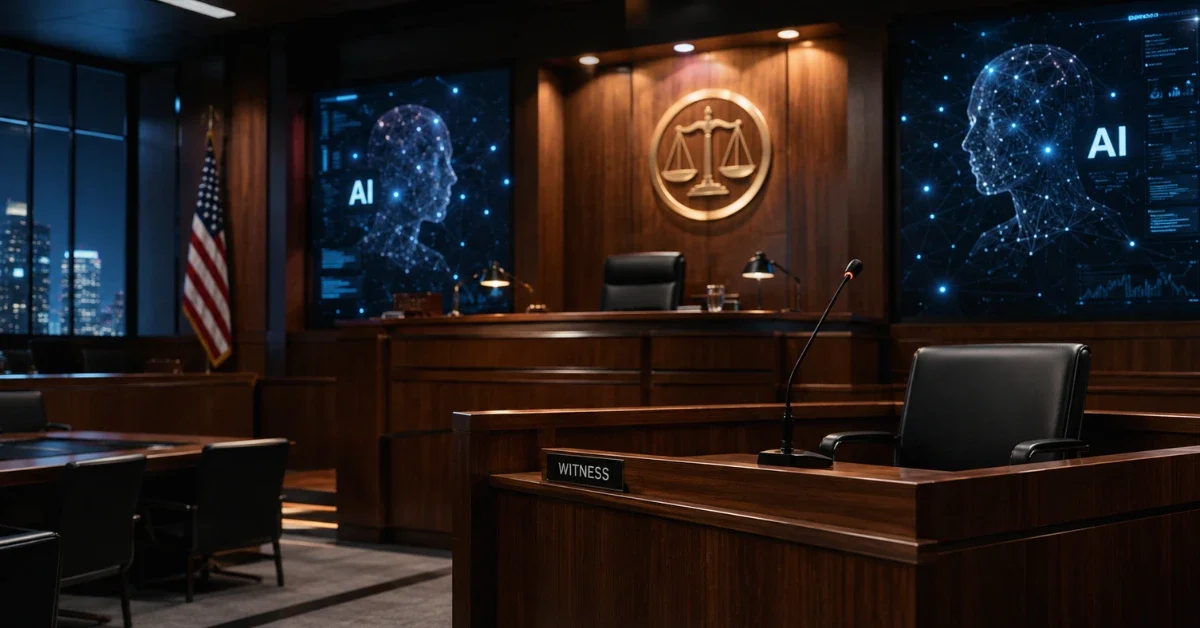
The ongoing Elon Musk OpenAI lawsuit has brought deep internal conflicts into the public eye. During the civil trial in California between Elon Musk and OpenAI CEO Sam Altman, a federal jury heard testimonies about the artificial intelligence lab’s internal struggles. Insiders detailed fierce disagreements over the company’s direction, corporate control, and safety protocols. Musk alleges the founders stole a charity by shifting to a for-profit structure, while Altman argues Musk simply wants to take down an AI competitor.
Power Struggles and Control
Sam Altman, taking the stand on May 12, claimed Elon Musk wanted full control of the organization. Altman recounted a hypothetical conversation in which Musk asked what would happen to the company if he died. According to Altman, Musk suggested that control should pass to his children. Altman noted this focus on gaining full control gave him pause, citing his experience with startup founders who rarely give up power.
Altman further testified that Musk’s management tactics caused immense harm. He stated Musk did not understand how to run a research lab and demotivated key personnel. In one instance, Musk allegedly required executives Greg and Ilya to compile a list of researchers, stack rank their accomplishments, and take a chainsaw through the group. Altman told the court this approach did huge damage to the culture for a long time.
Tense Exchanges Over AI Direction
Joshua Achiam, the company’s chief futurist, described a heated exchange with Musk during a February 2018 all-hands meeting. Ahead of Musk’s planned departure, Musk explained he was leaving because Tesla would soon compete for top AI talent. Achiam noted Musk expressed a general lack of confidence in the organization’s path. Musk wanted to pursue artificial general intelligence on his own terms and race toward building it very fast due to worries about what others might do.
Achiam and other employees felt this approach was a fairly unsafe proposition. When challenged, Musk snapped and called Achiam a jackass. Achiam believed Musk was simply upset about being challenged. Afterward, grateful colleagues presented Achiam with a gold trophy depicting a jackass, inscribed with the phrase, “Never stop being a jackass for safety.”
Shifting Priorities and Safety Concerns
Safety concerns remained a prominent theme in the trial. Rosie Campbell, a former employee who joined the AGI readiness team in 2021 and left in 2024, testified about shifting priorities. She told the federal court in Oakland that the organization was highly research-focused when she started, but over time transformed into a product-focused entity. Both her team and the Super Alignment team were disbanded.
Campbell highlighted an incident where Microsoft deployed a version of the GPT-4 model in India via Bing before it had been evaluated by the internal Deployment Safety Board. While the model itself did not pose a massive risk, she emphasized the need for reliable safety processes as technology advances. Under cross-examination, Campbell admitted her speculative opinion that the safety approach at her former employer remains superior to xAI, the company Musk founded, which SpaceX acquired.
Boardroom Governance Failures
The trial also touched upon governance failures. Tasha McCauley, a former board member, testified about a pattern of Altman misleading the nonprofit board. She stated Altman lied about McCauley’s intention to remove Helen Toner, a board member who published a white paper implying criticism of the company’s safety policy. McCauley noted Altman failed to inform the board about the decision to launch ChatGPT publicly and did not disclose potential conflicts of interest.
These governance issues led the nonprofit board to briefly fire Altman in 2023. McCauley explained the board lost confidence in its ability to trust Altman’s information, compromising its mandate to oversee the for-profit subsidiary. The board reversed its decision when employees sided with Altman. McCauley argued these failures highlight the need for stronger government regulation, warning against leaving critical decisions to a single CEO.
David Schizer, an expert witness paid by Musk’s legal team, supported concerns about priorities. He pointed out that following proper safety rules and review processes is essential. The breakdown in these processes, according to Musk’s legal argument, shows that the transformation from a research lab into a massive private company violated the founders’ implicit agreement.
