

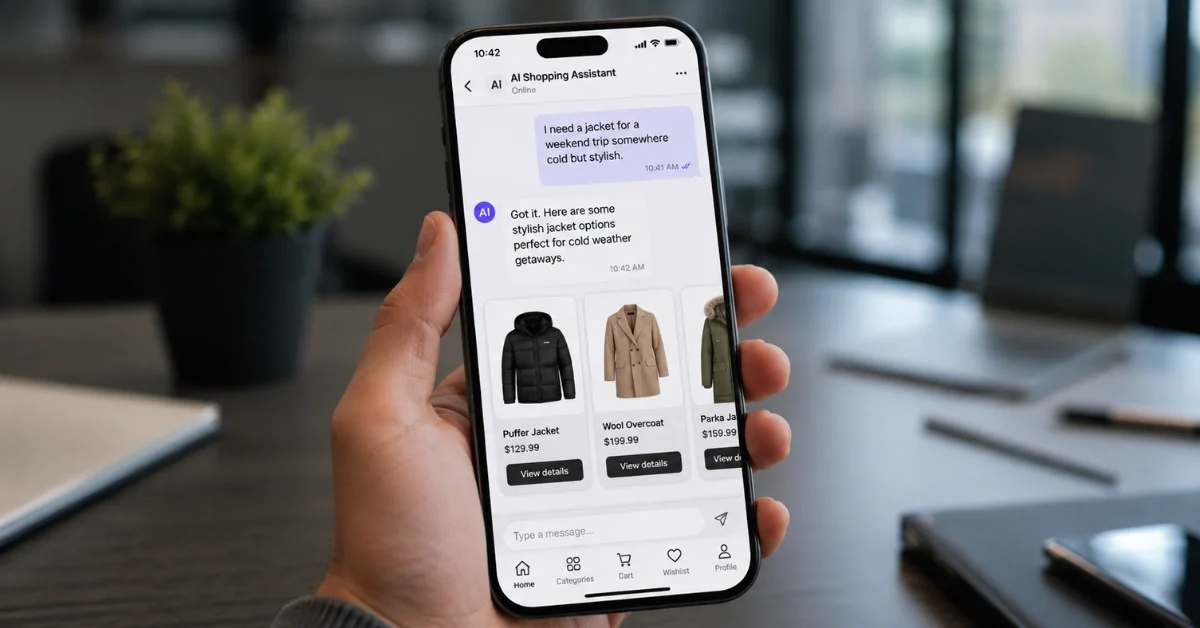
Retail giant Alibaba is set to fundamentally change the digital commerce landscape by preparing to unveil a major technological integration. The highly anticipated Alibaba Qwen AI Taobao integration aims to launch a new era of agentic shopping. For years, shoppers have interacted with online marketplaces using standardized text queries. Now, instead of relying on traditional keyword searches, consumers will soon navigate the digital storefront through dynamic, natural conversations. By merging its proprietary artificial intelligence platform with its flagship marketplace, the company is shifting away from the conventional methods of online retail. This strategic move allows users to discover, evaluate, and purchase goods through a highly interactive chat interface, moving the industry toward a fully conversational retail environment.
The Shift to Conversational Commerce
For decades, the standard e-commerce experience has required buyers to manually type specific keywords, sift through pages of search results, and scroll through individual product listings. The introduction of this technology into the digital ecosystem seeks to eliminate this repetitive manual navigation process. Consumers will soon have the ability to browse extensive digital aisles, compare various items side-by-side, and finalize their purchases entirely by chatting directly with the AI agent. This conversational framework transforms the AI from a simple search engine into an active, intelligent participant in the consumer’s buying journey. By submitting requests directly via the Qwen app, shoppers can bypass the traditional scrolling experience entirely. The artificial intelligence handles the complex sorting, matching consumer intent with available merchandise through continuous digital dialogue.
Navigating a Four Billion Product Catalog
The scope of this new AI-driven integration is massive, supported by extensive digital retail infrastructure. Once fully deployed, the Qwen application will possess direct, unfiltered access to the comprehensive product catalogs of both the Taobao and Tmall platforms. This combined digital inventory encompasses a staggering total of over four billion distinct products. Navigating a catalog of this unprecedented magnitude requires robust underlying technology, which Alibaba provides through a specialized internal framework officially known as a skills library. Beyond merely finding and filtering consumer products, this specialized skills library equips the artificial intelligence agent with the advanced capability to actively manage complex logistics and handle essential after-sales services. Consequently, the agentic shopping experience extends far past the initial point of sale, ensuring that delivery coordination is securely handled.
Advanced Tools and Personalized Assistance
Personalization forms a central component of this sweeping technological upgrade. The integrated AI system is specifically designed to generate highly accurate shopping recommendations by analyzing individual user data points. It carefully evaluates a consumer’s past order history alongside their established shopping preferences to present highly relevant items during the chat interaction. Furthermore, the specialized AI shopping assistant deployed directly inside Taobao will introduce advanced digital tools to significantly aid in consumer decision-making. Shoppers will gain immediate access to virtual try-on features, allowing them to digitally visualize how specific apparel or accessories might look before committing to a final purchase. Additionally, the system incorporates a comprehensive thirty-day price tracking mechanism. This specific tool empowers consumers to actively monitor price fluctuations over a month-long period.
The Divide Between Eastern and Western Markets
Alibaba’s aggressive push toward an interconnected, AI-driven retail environment highlights a distinct operational gap between Chinese and Western e-commerce platforms. The prevailing business model in China increasingly favors a deeply integrated approach. Under this system, artificial intelligence is seamlessly embedded directly into live consumer transactions, creating a centralized, continuous flow from initial product discovery to the final stages of the transaction. In stark contrast, the digital retail landscape in the United States and other Western markets remains significantly more fragmented. American e-commerce giant Amazon actively utilizes artificial intelligence to improve shopping within its proprietary marketplace, yet the company remains highly cautious regarding full system autonomy. Similarly, Canada’s prominent e-commerce platform Shopify has adopted a completely different strategy. Rather than running an integrated consumer AI platform, Shopify allows the use of external AI agents.
