

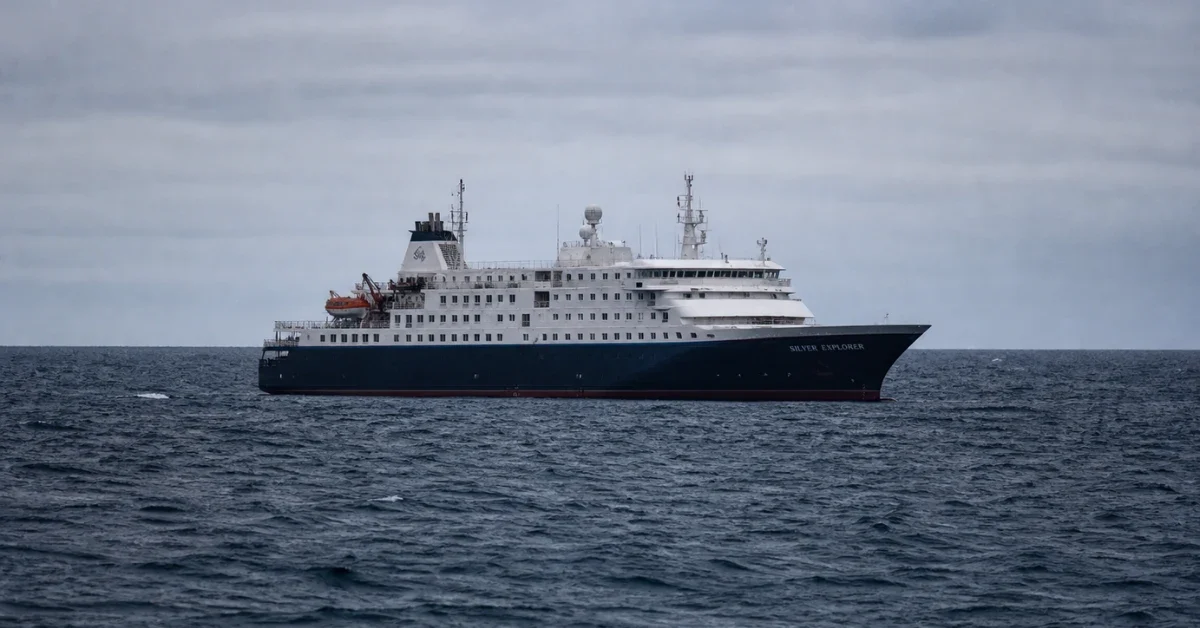
A severe health crisis is unfolding in the Atlantic Ocean after a suspected hantavirus cruise ship outbreak claimed the lives of three passengers. The MV Hondius, a luxury expedition vessel, is currently stranded off the coast of Cape Verde with approximately 150 people on board. Local authorities have explicitly denied the ship permission to dock at their ports, leaving crew members and passengers trapped as international health organisations scramble to manage the lethal rodent-borne disease.
Stranded at Sea Following Deadly Illness
The harrowing situation began during a transatlantic voyage that originally departed from Ushuaia, Argentina, on March 20. According to the itinerary provided by the operating company, Oceanwide Expeditions, the ship was anticipated to arrive at its final destination in Cape Verde on May 4. Instead, the journey turned into a deadly medical emergency when several individuals fell critically ill while navigating the open ocean.
Tragically, three Dutch citizens have died during the course of the outbreak. The first victim, identified as a 70-year-old man, passed away when the ship reached St Helena, a remote British overseas territory located in the South Atlantic Ocean. A 69-year-old woman, who was traveling as his partner, also contracted the severe illness while at sea. She was medically evacuated and airlifted to South Africa for advanced care, but she subsequently died in a hospital in Johannesburg.
The identity of the third deceased Dutch citizen has not been released to the public. However, reports confirm that the remains of this third individual are still aboard the MV Hondius. This grim reality has reportedly heightened the distress for the remaining passengers and crew members who remain quarantined on the stranded vessel.
In addition to the three fatalities, several other individuals are battling severe complications from the illness. A 69-year-old British national is currently fighting for his life in an intensive care unit in Johannesburg, South Africa. Local health officials in South Africa have indicated that he contracted the virus during the voyage. The United Kingdom Foreign Office has publicly stated that it is actively monitoring the unfolding situation and stands ready to assist British citizens affected by the crisis.
On the ship itself, at least two crew members have fallen ill and urgently require medical assistance. Oceanwide Expeditions reported that the vessel has been anchored near the Cape Verde coastline for over 24 hours. However, the cruise operator confirmed that local authorities have provided “no authorisation” to allow anyone to disembark for life-saving medical treatment, leaving the sick crew members entirely reliant on the ship’s limited medical resources.
Conflicting Infection Reports and Ongoing Investigations
Reports regarding the exact number of infections vary across different news outlets and health organisations. According to Reuters, the World Health Organisation has identified a total of seven cases of hantavirus linked to the cruise ship. In contrast, the BBC reported that the World Health Organisation noted one confirmed case alongside five suspected instances. Yet another report from the BBC indicated that two cases of hantavirus have been officially confirmed following the three deaths. Authorities are currently investigating exactly how the virus was introduced to the ship and are closely monitoring the remaining passengers for any emerging symptoms.
The MV Hondius is a substantial vessel specifically designed for extensive expedition voyages. It measures 107.6 meters in length and 17.6 meters in width, featuring a total of 80 cabins. The ship has the capacity to comfortably accommodate up to 170 guests. It operates with a dedicated crew of 57 people, which includes 13 expedition guides and a single onboard physician. This lone medical professional is now facing the daunting task of managing a deadly viral outbreak in a highly isolated environment.
Understanding the Rare Rodent-Borne Virus
Global attention has now turned to hantavirus, a rare but notoriously dangerous disease. The virus is primarily transmitted to humans through direct exposure to rodent urine and droppings. Health experts warn that hantavirus infections can trigger severe and often lethal respiratory or renal conditions, specifically affecting the lungs and kidneys.
The fatality rate for certain forms of the virus is exceptionally high, potentially reaching up to 38 per cent in some severe syndromes. Complicating matters further for the isolated passengers and crew of the MV Hondius is the alarming fact that there is no specific cure or targeted treatment available for hantavirus. This makes early intervention and advanced intensive care absolutely crucial for patient survival.
As the MV Hondius remains anchored off the coast, the international community is watching the situation closely. Medical evacuations are reportedly being planned, but the immediate fate of the approximately 150 people stranded on the vessel remains uncertain until Cape Verde officials or other international authorities provide the necessary clearance for safe disembarkation and emergency medical transport.
