

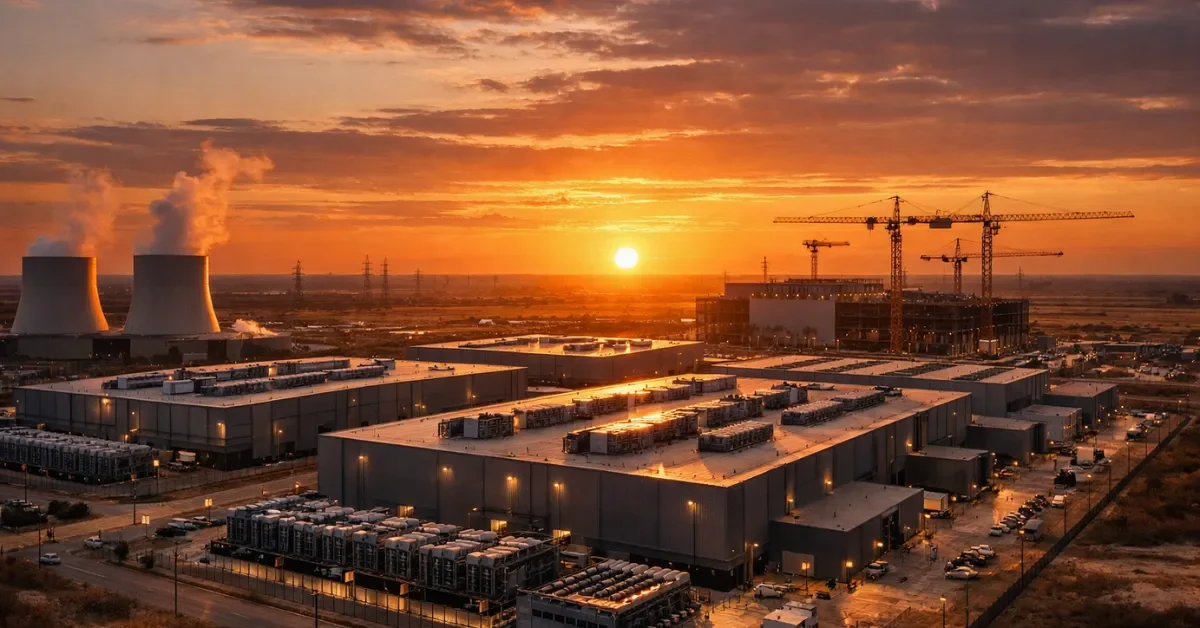
Tech giants Oracle and OpenAI have officially halted their ambitious plans to expand a massive artificial intelligence data center located in Abilene, Texas. The decision to abandon the expansion of the flagship facility follows prolonged negotiations that ultimately stalled due to financing disagreements and the evolving infrastructure needs of OpenAI. According to Bloomberg News, the cancellation of this expansion marks a significant shift in the immediate infrastructure strategy for both companies, though they will continue to utilize the existing site. Following the release of this news, Oracle experienced a drop in its stock price as the market reacted to the sudden change in plans.
Meta Considers Leasing the Abandoned Expansion Site
The abrupt cancellation by Oracle and OpenAI has quickly created a new opportunity for another major technology player. Meta Platforms is now actively exploring the possibility of leasing the additional capacity at the Texas location that was originally intended for the OpenAI expansion. Reports indicate that Nvidia played a role in facilitating the preliminary discussions between Meta and the site developer, Crusoe. This potential transition highlights the intense competition among technology companies to secure high-capacity computing environments necessary for training advanced artificial intelligence models.
The Stargate Project and Current Operations Continue
Despite walking away from the planned expansion, Oracle and OpenAI are not abandoning the Abilene location entirely. Both organizations will maintain their ongoing operations at the current Stargate facility, which is still actively under development. The Stargate initiative, a collaborative effort involving OpenAI, Oracle, and SoftBank, remains one of the prominent artificial intelligence infrastructure projects in the United States. Construction continues on the sprawling site, which spans approximately 1,000 acres in Texas. The original vision for the expansion would have significantly increased the site’s power capacity, but the companies will now rely on the existing footprint being built.
How OpenAI Will Meet Its Computing Needs
With the Abilene expansion officially scrapped, questions emerged regarding how OpenAI will secure the immense computing power required to advance its artificial intelligence systems. According to multiple sources, the extra capacity that OpenAI requires will be fulfilled by other existing data centers within the Oracle network. This strategic pivot ensures that OpenAI will still receive the necessary computing infrastructure without committing to the costly expansion of the Texas site.
Oracle Rebalances Spending Amid Job Cuts
The decision to alter the Texas AI data center strategy arrives during a period of significant internal restructuring for Oracle. The company recently announced thousands of job cuts as part of a broader effort to reallocate its financial resources. Oracle is shifting its spending toward funding the expensive data center infrastructure required to support its massive cloud contracts with high-profile artificial intelligence customers, including OpenAI, xAI, and Meta. By restructuring its workforce and rebalancing its budget, the enterprise software company is attempting to better position itself to handle the capital-intensive demands of the modern artificial intelligence boom.
Investor Scrutiny Surrounds Debt-Fueled AI Buildout
Oracle’s heavy reliance on a single major partner has recently attracted increased scrutiny from financial analysts and investors. The company’s massive, debt-fueled expansion of data centers has sparked worries on Wall Street, particularly because a significant portion of Oracle’s capital expenditure is directly tied to facilities built specifically for OpenAI. Investors remain cautious because OpenAI, despite achieving a massive valuation of $500 billion, is still an unprofitable enterprise that plans to spend heavily on infrastructure in the coming years. This unprecedented single-customer revenue exposure has made some market watchers uneasy about the potential financial risks involved in the multibillion-dollar partnership.
To alleviate these growing investor concerns, Oracle has consistently defended its long-term financial strategy. The company has publicly emphasized that its cloud infrastructure revenue is projected to grow substantially over the next several years. Furthermore, Oracle executives have pointed out that fresh infrastructure bookings are coming in from a diverse range of corporate customers, proving that the company is not solely dependent on the success of OpenAI. For instance, Oracle previously highlighted a $20 billion new deal with Meta Platforms, demonstrating its ability to attract other top-tier clients to its expanding cloud network.
