

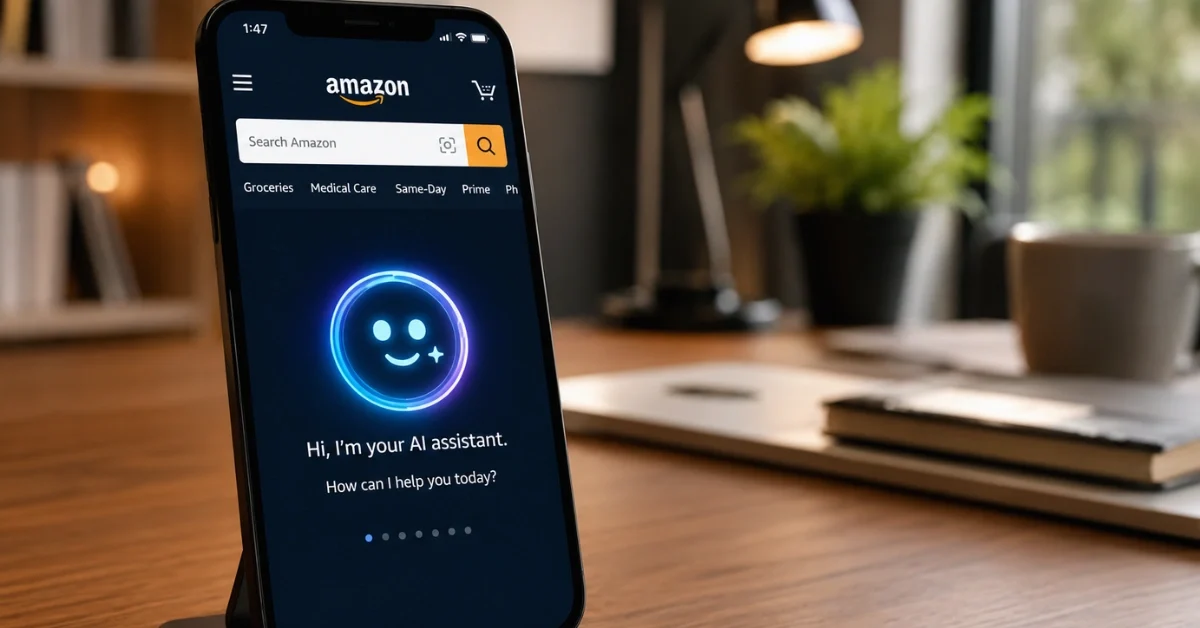
Amazon has officially introduced Amazon Alexa for Shopping, a powerful new artificial intelligence assistant integrated directly into the core of its e-commerce platform. Designed to streamline the digital retail experience, the tool replaces the company’s previous chatbot, Rufus. By blending existing conversational technology with advanced automation, Amazon aims to change how consumers research, compare, and ultimately purchase products online.
The rollout of Amazon Alexa for Shopping is currently underway for customers across the United States. Reports regarding the exact launch timeline vary; according to Rajiv Mehta, Amazon’s vice president of conversational shopping, the tool becomes available starting Wednesday, while an executive identified as Raus, vice president of Alexa Echo, indicated a phased rollout expected in the upcoming weeks. Regardless of the exact timeline, this updated AI shopping assistant merges the foundational product knowledge of Rufus with the advanced capabilities of the Alexa+ language models. Users can interact with the new interface across the Amazon mobile app, the desktop website, and Echo Show smart displays. The integration places artificial intelligence front and center, moving it from a small corner chatbot directly into the primary search bar.
Expanding Conversational Search Capabilities
Rather than relying on traditional keyword searches, shoppers can now engage in natural conversations to find what they need. When a customer types a complex question into the main search bar or the dedicated chat window, the assistant provides a tailored, context-aware response. For instance, a user can ask for recommendations on building a men’s skincare routine, and the system will deliver personalized advice alongside relevant product listings.
The system retains traditional search functionality for those who prefer browsing by keywords, but the enhanced AI tools offer a much deeper level of research. The technology generates comprehensive side-by-side product comparisons, creates custom buying guides for major purchases, and provides AI-generated summaries on product pages. It also taps into user history, allowing shoppers to easily ask when they last ordered specific household goods.
Advanced Automation and Price Tracking
One of the most significant upgrades introduced with this software is its focus on agentic automation. Customers can now instruct the AI to actively monitor pricing and execute actions when specific conditions are met. A shopper can give a direct command to automatically add a bottle of sunscreen to their cart if the price drops to a target amount. Users can even specify parameters, such as triggering a purchase only if they have not bought the item within the last two months.
To further assist bargain hunters, the technology tracks detailed product price histories for up to a full year. This extended visibility gives buyers a much clearer picture of whether a current deal is genuinely valuable. In addition to securing the best prices, the assistant streamlines household management by scheduling recurring orders for everyday essentials like batteries, paper towels, and pet food.
Purchasing Beyond the Amazon Marketplace
In a notable expansion of its retail strategy, Amazon is enabling the assistant to shop beyond its own borders. Using features designated as “Shop Direct” and “Buy for Me,” the AI can actively browse other online stores across the internet to locate desired items. Once found, the system can automatically complete the checkout process on those external sites using the shopper’s securely saved payment and delivery information.
While this cross-platform functionality offers unprecedented convenience for online consumers, it has also drawn attention to the broader implications of artificial intelligence. Delegating full purchasing authority to a software agent has prompted some industry observers to raise questions regarding AI autonomy, data security, and consumer privacy.
Transitioning Users from Rufus
The launch of this new ecosystem marks the end of Rufus, the generative AI bot that Amazon originally introduced in 2024. According to corporate executives, Rufus successfully guided hundreds of millions of customers through product research and discovery during the previous year. The new platform absorbs that foundational data and pairs it with the broader intelligence of the Alexa network, dropping the Rufus branding entirely in favor of a unified identity.
Accessibility is a central focus of this nationwide release. Previously, access to the advanced Alexa+ models required a monthly subscription fee of nearly twenty dollars for standard users. However, Amazon is making the new shopping service entirely free for anyone signed into a standard account. Customers do not need an active Prime membership, the standalone Alexa application, or a physical Echo device to utilize the suite of personalized AI tools.
